Why Can’t Airfares Be Capped in a Deregulated Market?
Synopsis
In a recent Lok Sabha address, Civil Aviation Minister Ram Mohan Naidu stated that capping airfares is impractical in a deregulated market. This approach has fostered substantial growth in India’s aviation sector. Discover how market dynamics influence fare fluctuations and the government's role in maintaining stability amidst challenges.
Key Takeaways
Deregulation is essential for aviation growth.
Airfares fluctuate based on demand and supply.
Government intervention is possible during extraordinary situations.
Competition among airlines benefits consumers.
Capacity expansion is a long-term solution to price spikes.
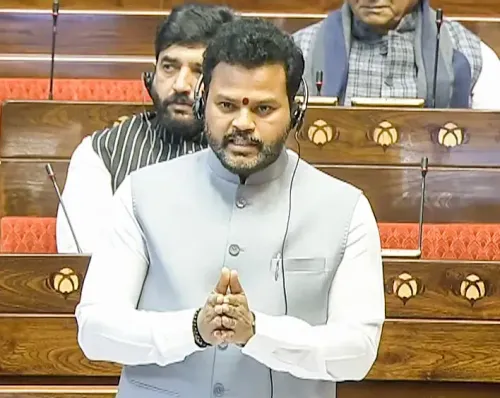
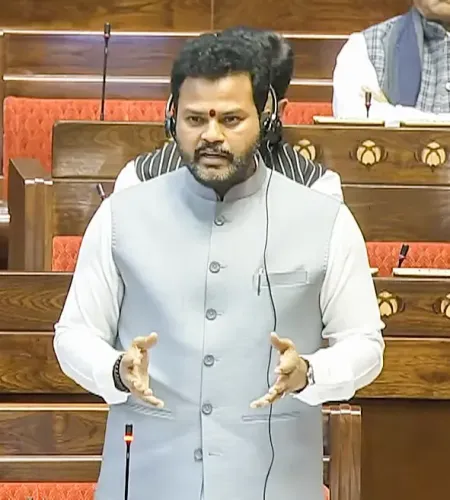
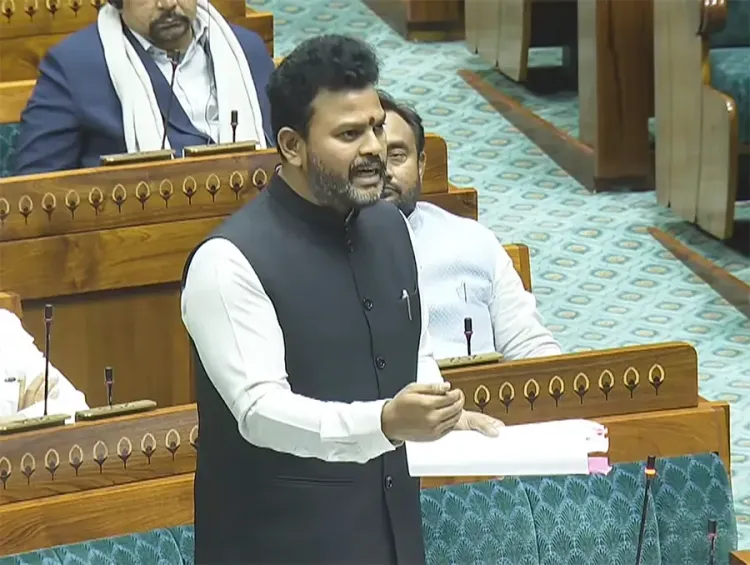
New Delhi, Dec 12 (NationPress) The Civil Aviation Minister Ram Mohan Naidu addressed the Lok Sabha on Friday, stating that implementing a cap on airfares year-round is impractical within a deregulated market. This structure has significantly accelerated the growth of India’s aviation industry, ultimately offering advantages to consumers.
In response to a private member's bill advocating for airfare regulations amid the IndiGo crisis, which led to a spike in ticket prices, the minister emphasized that the principle of deregulation must be upheld. He asserted, "To foster growth in the civil aviation sector, it is essential to maintain deregulation to facilitate the entry of more competitors into the market."
Naidu elaborated that airfares typically increase during festive seasons due to heightened demand on specific routes and at particular times. He noted that such fluctuations are seasonal and capping fares for an entire year across any sector is not feasible. According to him, airfares are naturally regulated by market dynamics of demand and supply.
The Aviation Minister remarked that regulating airfares is not a simple solution, as the government must take into account the long-term sustainability of the entire aviation ecosystem, which includes airlines, airports, and their interconnecting operational networks.
He pointed out that countries experiencing rapid growth in their aviation sectors often feature deregulated markets that promote competition and attract more participants.
Naidu added, "Ticket prices are best determined by demand and supply, with consumers ultimately benefitting as competition among airlines drives down fares."
He also provided statistics indicating that when comparing India's airfares with those of other nations, the rate of increase is, in fact, negative.
Moreover, Naidu reaffirmed that the Centre retains authority under the Aircraft Act to impose fare caps in extraordinary circumstances to safeguard passengers.
He cited various instances such as the Covid-19 pandemic, events like Mahakumbh, the Pahalgam–Srinagar situation, and recent disruptions in IndiGo flights when the government intervened to stabilize sudden fare surges.
Additionally, Naidu highlighted the ‘Fare Se Fursat’ initiative, launched in partnership with the Alliance of Airlines, where the government has established fixed fares on 25 routes, including those in the Northeast and Southern India.
He emphasized that increasing capacity is the long-term solution to recurring price spikes, indicating the government’s perspective that fare volatility is influenced by supply constraints, not merely airline pricing.
Point of View
I believe that the government's approach to deregulation in the aviation sector is a crucial step towards fostering competition and growth. While the challenges of fluctuating airfares are evident, it's essential to understand that market dynamics play a vital role in shaping the industry. The focus should remain on enhancing capacity and ensuring consumer protection during extraordinary circumstances. It is imperative to strike a balance between regulation and free market principles to ensure sustainable growth.
NationPress
26 Sept 2026
Frequently Asked Questions
Why can't the government cap airfares?
The Civil Aviation Minister stated that capping airfares in a deregulated market is impractical as it hampers growth and competition in the aviation sector.
What causes fluctuations in airfares?
Airfares typically fluctuate due to seasonal demand, especially during festive times, and are regulated by market dynamics of demand and supply.
What measures can the government take during airfare surges?
The government has the authority under the Aircraft Act to impose fare caps in extraordinary situations to protect passengers.
How does deregulation benefit consumers?
Deregulation encourages more players to enter the market, which fosters competition and ultimately leads to lower fares for consumers.
What was the 'Fare Se Fursat' scheme?
The 'Fare Se Fursat' scheme is an initiative by the government in collaboration with the Alliance of Airlines to fix fares on select routes to ensure affordability.