Will Akali Dal Reopen Attari and Fazilka Borders for Central Asian Trade?
Synopsis
Shiromani Akali Dal's President, Sukhbir Singh Badal, pledges to reopen Attari and Fazilka borders for Central Asian trade if elected in 2027. The initiative aims at revitalizing local businesses and establishing a special industrial zone. This move could transform Amritsar into an international trade hub, promising economic growth for Punjab.
Key Takeaways
SAD aims to reopen borders for trade.
Focus on establishing an industrial zone.
Badal critiques national parties for neglecting Punjab.
Previous achievements include various welfare schemes.
Economic revitalization is a priority for SAD.
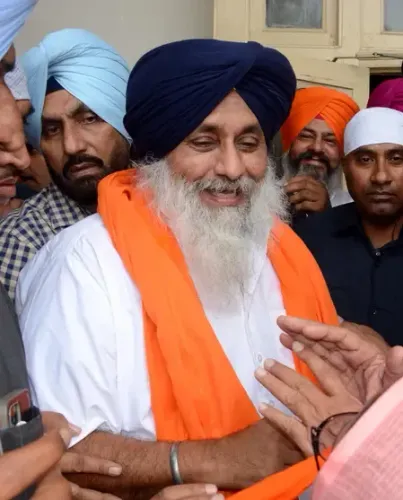
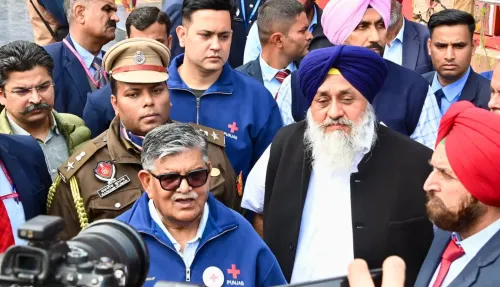
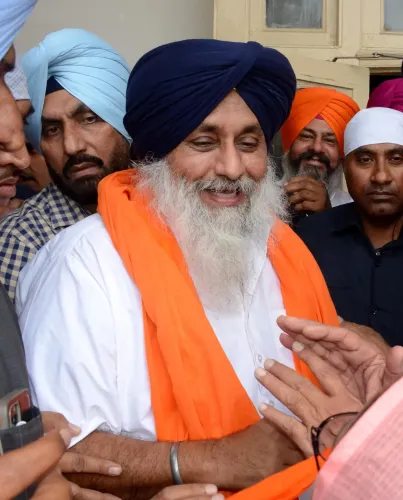
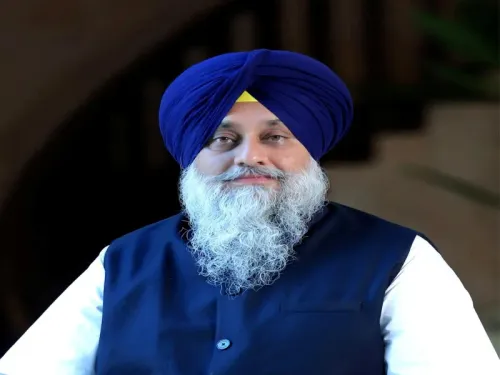
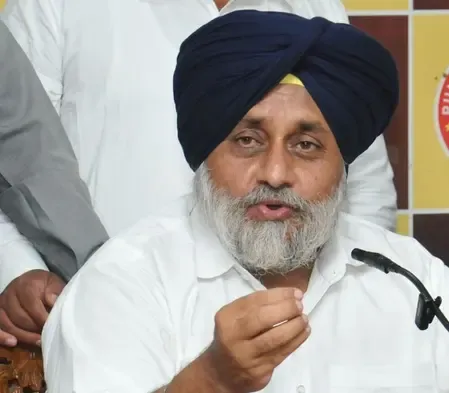
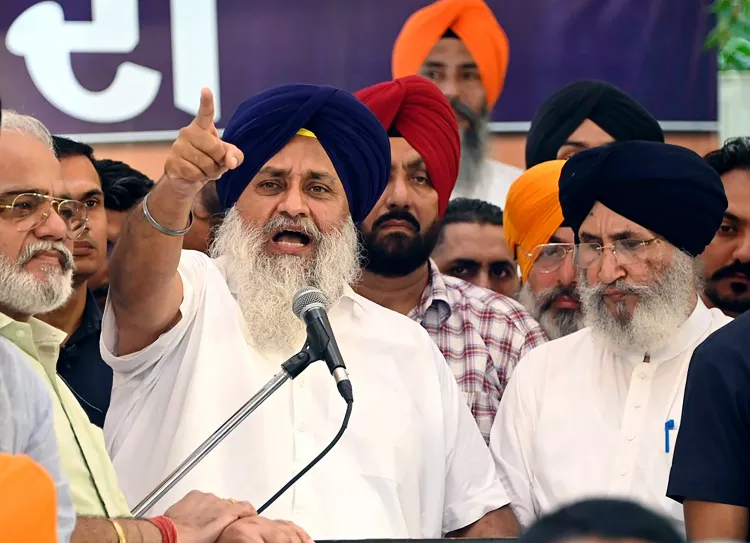
Attari, Feb 21 (NationPress) President of the Shiromani Akali Dal (SAD), Sukhbir Singh Badal, stated on Saturday that if his party secures power in Punjab in 2027, it will advocate for the reopening of the Attari and Fazilka borders to promote trade with nations in Central Asia and set up a specialized industrial zone in the border region.
During a rally as part of the party’s ‘Punjab Bachao’ campaign, Badal highlighted that the closure of cross-border trade routes has severely impacted business activities in the border area.
“The closure of the border has greatly harmed local business. Once we are in power, we will ensure that both the Attari and Fazilka borders are reopened for exporting fruits, vegetables, and other goods to Central Asian countries. This initiative will transform Amritsar into a center for international trade, benefiting the entire region,” he asserted.
He also stressed the importance of fostering industrial growth in border areas, noting that many industries have relocated to neighboring hill states due to the incentives provided there.
“SAD is dedicated to establishing a specialized industrial zone in the border area and will introduce a financial incentive package to attract industrial investment. This will help rejuvenate the local economy,” he stated.
He urged the residents of Punjab to back regional leadership and vote for the Shiromani Akali Dal in the upcoming 2027 Assembly elections.
“SAD is solely committed to the progress of Punjab. National parties based in Delhi, whether Congress, AAP, or BJP, do not prioritize the state's interests; their focus is solely on political power,” he claimed.
Badal also questioned the developmental track record of past Congress administrations and the current Aam Aadmi Party government in Punjab.
He elaborated that during SAD’s administration, numerous initiatives were implemented, including free power supply for agricultural tubewells, development of irrigation infrastructure, roads, airports, mandis, thermal power plants, and social welfare programs such as subsidized food schemes, old-age pensions, and the Shagun scheme.
Badal reaffirmed his commitment to safeguarding the interests and dignity of Punjab and pledged to continue serving the populace despite political hurdles.
He also claimed that attempts were being made by political adversaries to undermine him and his party but asserted that such tactics would not dissuade him from working for the welfare of Punjab.
Point of View
It is essential to recognize the local significance of Sukhbir Singh Badal's promises regarding trade and industrial development. The reopening of borders and establishment of industrial zones could be transformative for Punjab’s economy. However, it is crucial to critically evaluate the feasibility of these proposals and the political motivations behind them.
NationPress
3 Oct 2026
Frequently Asked Questions
What are the plans for Attari and Fazilka borders?
Sukhbir Singh Badal plans to reopen these borders to facilitate trade with Central Asia, aiming to boost local businesses and establish an industrial zone.
How will this impact the local economy?
Reopening the borders is expected to enhance trade activities, making Amritsar a hub for international commerce and revitalizing the local economy.
What initiatives were taken during SAD's previous tenure?
SAD implemented various initiatives, including free power supply for agriculture, infrastructure development, and social welfare schemes.
Why does Badal criticize national parties?
Badal claims that national parties prioritize their political ambitions over the interests of Punjab and its residents.
What is the timeline for these plans?
If elected in the 2027 Assembly elections, these plans would be executed following their victory.