Delhi court releases Alka Lamba on probation after women's quota protest conviction
Synopsis
A Delhi court convicted and then released Mahila Congress chief Alka Lamba on one-year probation over a 2024 protest demanding women's reservation — a case that pits political demonstration rights against police jurisdiction, and arrives as the women's quota law itself remains in legal limbo pending delimitation.
Key Takeaways
Rouse Avenue Court directed Alka Lamba to be released on probation of good conduct for one year on 6 June 2025 .
Lamba was also ordered to furnish a bail bond of ₹1 lakh .
She was convicted in connection with a 29 July 2024 protest at Jantar Mantar demanding implementation of women's reservation.
Charges were framed under Sections 132, 221, 223(a), and 285 of the Bharatiya Nyaya Sanhita (BNS) .
Lamba has announced she will challenge the conviction before the Sessions Court .
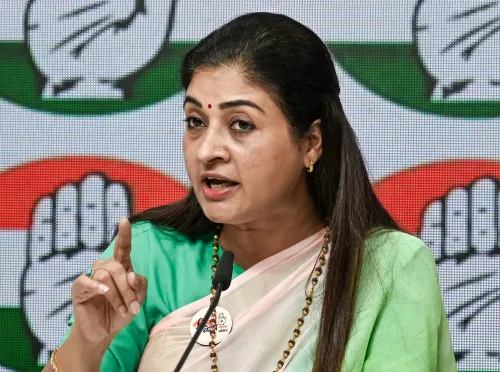
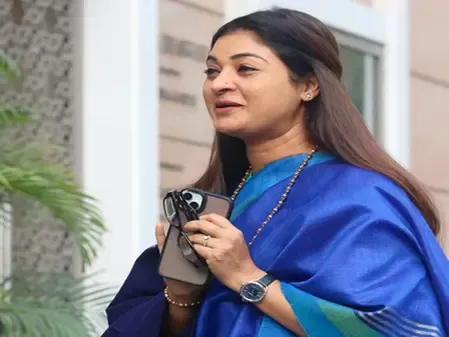
All India Mahila Congress President Alka Lamba was directed to be released on probation of good conduct for one year by a Delhi court on Saturday, 6 June, following her conviction in a criminal case stemming from a protest that demanded implementation of women's reservation ahead of the 2024 Lok Sabha elections. The Rouse Avenue Court also ordered her to furnish a bail bond of ₹1 lakh.
The Conviction and Lamba's Response
Lamba was convicted last month in connection with a demonstration held on 29 July 2024 at Jantar Mantar, organised by the Mahila Congress to press for the women's quota in Parliament. Reacting to Saturday's order, the Congress leader said she would challenge her conviction before the Sessions Court.
'I have indeed been convicted by the Rouse Avenue Court, and I will certainly challenge that conviction through my lawyers. This fight for women's rights will continue,' Lamba said.
What the Prosecution Alleged
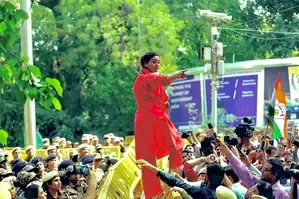
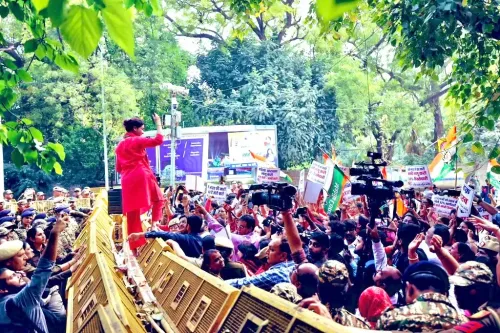
The case originated from an FIR registered by the Delhi Police alleging that prohibitory orders under Section 163 of the Bharatiya Nagarik Suraksha Sanhita (BNSS) were in force in the Parliament Street sub-division at the time of the protest — even though Jantar Mantar itself was an exempted area for demonstrations. According to the prosecution, Lamba, the main speaker at the protest, along with other demonstrators moved beyond the permitted protest site towards Tolstoy Road, raised slogans, and attempted to march towards Parliament despite repeated police warnings.
Video footage played in open court during the charge-framing stage allegedly showed Lamba pushing police personnel, instigating protesters to jump barricades, and leading demonstrators beyond the permissible protest zone.
Charges and Earlier Court Proceedings
The trial court held that a prima facie case was made out against Lamba under Sections 132 (assault or criminal force to deter a public servant), 221 (obstructing a public servant), 223(a) (disobedience to a promulgated order), and 285 (danger or obstruction in a public way) of the Bharatiya Nyaya Sanhita (BNS).
Lamba's plea for discharge was rejected in December 2024, with the court noting that prosecution material must be accepted as true at the charge-framing stage. Her subsequent revision plea was dismissed in February 2025 by Additional Sessions Judge Dig Vinay Singh, who found no 'patent illegality, perversity or jurisdictional error' in the Magistrate's order. The Sessions Court had also rejected the argument that the absence of a medico-legal certificate created an 'evidentiary vacuum', holding that actual physical injury is not mandatory for offences relating to criminal force.
What Happens Next
Lamba has confirmed she will file a challenge before the Sessions Court. The case has drawn attention to the intersection of protest rights, police jurisdiction, and women's political representation — issues that remain live as the women's reservation law, passed in 2023, awaits delimitation before it can take effect. The outcome of her appeal could have broader implications for how courts assess political demonstrations that stray beyond designated zones.
Point of View
Yet she faces criminal sanction for demanding it. Courts are right to enforce protest boundaries, but the optics of convicting a women's rights campaigner while the quota itself awaits political will are hard to ignore. The probation order, rather than imprisonment, suggests the court weighed proportionality — but Lamba's appeal will test whether the charge-framing process itself met the bar for a political demonstration case. This is also a reminder that the BNSS's prohibitory-order provisions give police considerable discretion over where legitimate dissent ends and criminal obstruction begins.
NationPress
21 Oct 2026
Frequently Asked Questions
Why was Alka Lamba convicted by the Delhi court?
Alka Lamba was convicted in connection with a protest held on 29 July 2024 at Jantar Mantar, where Mahila Congress demonstrators demanded implementation of women's reservation and allegedly moved beyond the permitted protest zone towards Parliament. The court found a case made out under sections of the Bharatiya Nyaya Sanhita relating to obstructing public servants and defying prohibitory orders.
What punishment did the Rouse Avenue Court give Alka Lamba?
The court directed Lamba to be released on probation of good conduct for one year and ordered her to furnish a bail bond of ₹1 lakh. She was not sentenced to imprisonment.
Will Alka Lamba appeal the conviction?
Yes. Lamba has confirmed she will challenge the conviction before the Sessions Court. She stated that 'this fight for women's rights will continue.'
What were the specific charges framed against Alka Lamba?
Charges were framed under Sections 132 (assault or criminal force to deter a public servant), 221 (obstructing a public servant), 223(a) (disobedience to a promulgated order), and 285 (danger or obstruction in a public way) of the Bharatiya Nyaya Sanhita (BNS).
What was the 2024 Jantar Mantar protest about?
The protest on 29 July 2024 was organised by the All India Mahila Congress to demand implementation of the women's reservation law, which reserves 33% of seats in Parliament and state legislatures for women. The law was passed in 2023 but requires delimitation before it can take effect.