Tiruvallur ammonia leak kills 6 workers at seafood unit, CM Vijay orders probe
Synopsis
Six workers are dead and several critical after ammonia gas engulfed a seafood export plant near Periyapalayam in Tiruvallur, Tamil Nadu — a facility employing around 120 migrant workers from Assam, Odisha, and Jharkhand. Chief Minister C. Joseph Vijay has ordered a three-member panel to report within 24 hours, raising urgent questions about industrial safety enforcement at export-oriented cold-chain units.
Key Takeaways
At least 6 workers killed and several hospitalised after a suspected ammonia gas leak at a seafood processing unit near Periyapalayam, Tiruvallur on 21 June .
Around 120 workers , including women from Assam , Odisha , and Jharkhand , were inside the facility when the leak occurred.
Victims with severe respiratory complications were transferred to Government Stanley Medical College Hospital, Chennai ; several remain in critical condition.
Joseph Vijay ordered a three-member inquiry committee to submit findings within 24 hours .
Police have registered a case; authorities are examining potential industrial safety regulation violations .
At least six workers were killed and several others hospitalised after a suspected ammonia gas leak at a seafood export processing unit near Periyapalayam in Tamil Nadu's Tiruvallur district on Sunday, 21 June, according to officials. The incident has prompted the state government to order an immediate investigation and constitute a high-level inquiry panel.
How the Incident Unfolded
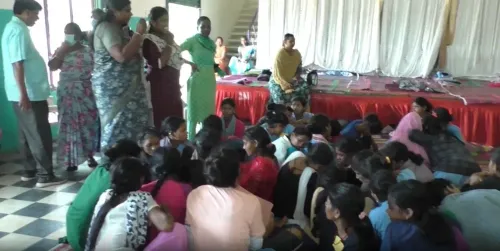
The suspected ammonia leak originated from the facility's refrigeration or processing system and spread rapidly across sections of the plant. Around 120 workers — including women from Assam, Odisha, and Jharkhand — were reportedly inside the premises when the gas began escaping. Workers exposed to the toxic fumes experienced severe breathing difficulties, dizziness, and irritation. Some reportedly suffered bleeding from the mouth and nose, underscoring the intensity of the exposure.
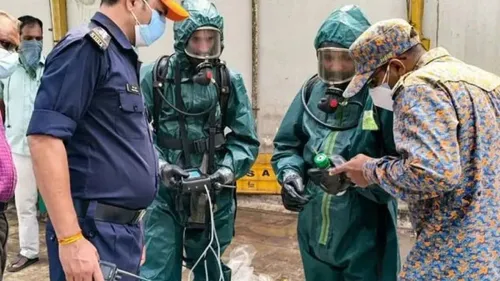
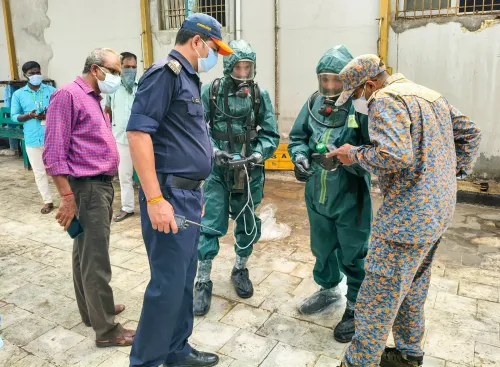
Panic spread through the facility as workers fled the building; others collapsed before they could reach safety. Emergency response teams, police personnel, and local authorities reached the site and launched rescue operations.
Rising Death Toll and Medical Response
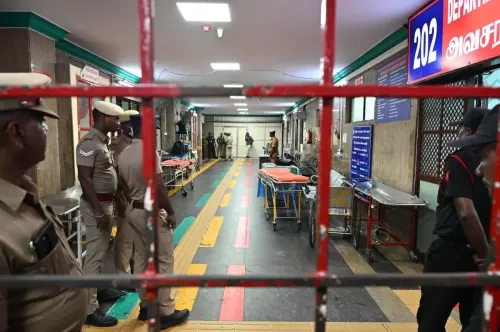
Initial reports indicated a single fatality, but the death toll climbed to at least six as rescue and treatment efforts continued. Affected workers were first taken to nearby private hospitals for emergency care. Those requiring advanced medical attention were subsequently transferred to Government Stanley Medical College Hospital in Chennai. Doctors treating the victims said many had sustained serious respiratory complications from inhaling the toxic gas. Several workers remain in critical condition under intensive medical care.
Government Response and Inquiry
Chief Minister C. Joseph Vijay expressed concern over the tragedy and directed officials to ensure all necessary medical assistance for the affected workers. He ordered the formation of a three-member inquiry committee to investigate the circumstances that led to the leak. The panel has been instructed to conduct an immediate inspection and submit a detailed report within 24 hours.
The investigation is expected to examine safety protocols, maintenance procedures, and potential lapses at the facility. Police have registered a case, and further investigation is underway. Authorities are also assessing whether violations of industrial safety regulations contributed to the disaster.
Broader Safety Context
The Tiruvallur incident is a grim reminder of the persistent industrial safety risks faced by migrant workers in food processing and cold-chain facilities across India. Ammonia is widely used as a refrigerant in seafood and meat processing plants due to its efficiency, but leaks can be rapidly fatal in enclosed, poorly ventilated spaces. This comes amid growing scrutiny of safety standards at export-oriented processing units, which often employ large numbers of inter-state migrant workers who may have limited access to safety training or protective equipment.
Authorities have yet to confirm whether the facility held valid safety certifications or had undergone recent inspections. The inquiry committee's findings are expected to determine accountability and inform whether stricter enforcement of industrial safety norms is warranted across similar units in the state.
Point of View
Not a freak accident. Ammonia refrigeration systems in seafood processing plants are well-understood hazards with established safety protocols — which makes a leak of this scale and lethality a serious compliance question, not merely a tragedy. The workforce profile here matters: migrant women from Assam, Odisha, and Jharkhand are among India's most economically vulnerable industrial workers, often placed in facilities where safety briefings are cursory and protective equipment inadequate. A 24-hour inquiry deadline is politically responsive, but the real test is whether the panel's findings translate into enforceable action against the unit's operators and any certifying authority that cleared it for operation.
NationPress
20 Sept 2026
Frequently Asked Questions
What caused the ammonia leak at the Tiruvallur seafood plant?
The suspected ammonia leak originated from the facility's refrigeration or processing system, according to officials. Ammonia is commonly used as a refrigerant in seafood processing units, but the exact cause of the leak is under investigation by a three-member inquiry committee ordered by Chief Minister C. Joseph Vijay.
How many workers were killed in the Tiruvallur factory accident?
At least six workers were killed in the ammonia gas leak at the seafood processing unit near Periyapalayam in Tiruvallur district on 21 June. The death toll rose from an initial report of one fatality as rescue and medical efforts continued.
Who were the workers affected by the Tiruvallur ammonia leak?
Around 120 workers were inside the facility at the time of the leak, including women from Assam, Odisha, and Jharkhand. The plant employed a large number of inter-state migrant workers in its seafood export processing operations.
Where are the injured workers being treated?
Affected workers were initially taken to nearby private hospitals. Those requiring advanced care were transferred to Government Stanley Medical College Hospital in Chennai, where several remain in critical condition with serious respiratory complications.
What action has the Tamil Nadu government taken after the incident?
Chief Minister C. Joseph Vijay directed officials to provide all necessary medical assistance and ordered a three-member inquiry committee to inspect the site and submit a detailed report within 24 hours. Police have also registered a case and are investigating possible violations of industrial safety regulations.