Tamil Nadu launches ammonia safety audit after Tiruvallur leak killed 18

Synopsis
A month after an ammonia leak at a Tiruvallur seafood plant killed 18 migrant women workers, Tamil Nadu has served notices on 28 industries and deployed 21 inspection teams statewide. The National Green Tribunal has also stepped in suo motu — signalling that this industrial disaster is far from a closed chapter.
Key Takeaways
The Tamil Nadu government issued notices to 28 establishments for failing to maintain the mandatory 300-metre worker-accommodation buffer from ammonia facilities.
21 special inspection teams have been formed to audit every ammonia-handling unit across the state.
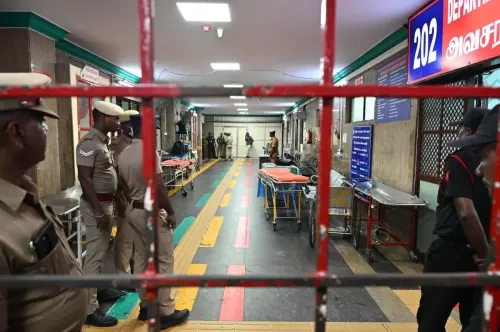
The crackdown follows the 21 June ammonia leak at St Peter and Paul Seafoods Exports Pvt Ltd , Tiruvallur, which killed 18 workers — mostly migrant women — and hospitalised over 80 .
The National Green Tribunal (NGT) took suo motu cognisance and issued notices to Central and State pollution control bodies and the Tiruvallur district administration.
Industries face stringent legal action under labour and industrial safety laws if they fail to comply with the prescribed norms.
The Tamil Nadu government has launched a statewide safety crackdown on industries handling ammonia, issuing notices to 28 establishments for violating worker accommodation norms and deploying 21 special inspection teams to conduct comprehensive audits of hazardous industrial units across the state. The enforcement drive, announced on 23 July, comes exactly one month after an ammonia gas leak in Tiruvallur district killed 18 workers and hospitalised more than 80 others.
What Triggered the Crackdown
The catalyst was the 21 June ammonia leak at St Peter and Paul Seafoods Exports Pvt Ltd, located at Kannigaipair village near Periyapalayam in Tiruvallur district. The disaster claimed the lives of 18 workers, the majority of them migrant women, while over 80 others were rushed to hospital. Several victims reportedly continue to receive treatment even as many of the injured have since been discharged.
Notices Issued and Key Violations
According to the Labour Welfare Department, the 28 notices were served to industries that failed to comply with mandatory regulations requiring worker accommodation to be situated at least 300 metres away from any facility where ammonia is manufactured, stored, or used. The affected establishments have been directed to relocate employee housing beyond the prescribed safety distance and achieve immediate compliance with industrial safety standards.
Officials stated that the government has adopted a zero-tolerance approach towards violations involving hazardous chemicals. Industries have been warned that non-compliance could invite stringent legal action under applicable labour and industrial safety laws.
Scope of the Special Inspections
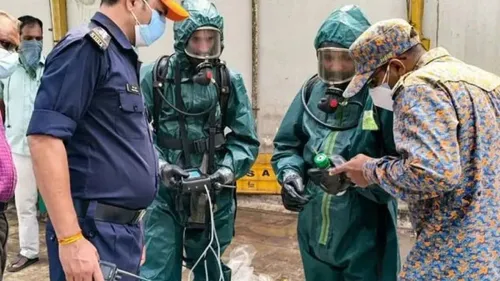
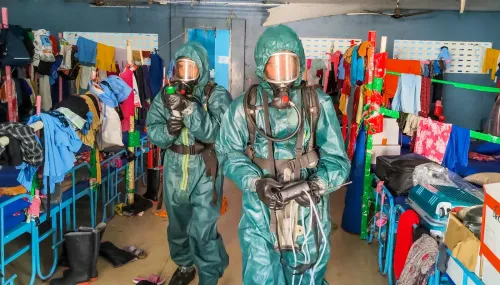
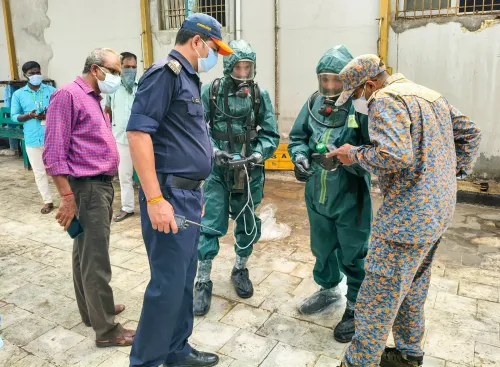
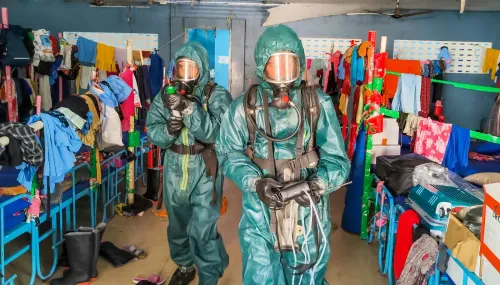
The 21 special inspection teams will examine every ammonia-handling unit in Tamil Nadu. Their mandate covers ammonia storage and handling systems, emergency response plans, statutory approvals, occupational health standards, and compliance with labour welfare regulations. The teams will additionally scrutinise worker accommodation arrangements, disaster preparedness protocols, maintenance of safety equipment, emergency evacuation procedures, and the availability of protective gear for employees.
Authorities said the objective is to identify safety deficiencies at the earliest opportunity and ensure that industries handling hazardous substances follow all mandatory protocols without exception.
National Green Tribunal Steps In
The Tiruvallur tragedy also drew the attention of the National Green Tribunal (NGT), which took suo motu cognisance of the incident. The tribunal issued notices to the Central and State pollution control authorities, the regional office of the Union Ministry of Environment, Forest and Climate Change, and the Tiruvallur district administration, seeking responses on the circumstances that led to the accident.
What Happens Next
The statewide inspections are aimed at preventing similar industrial disasters and ensuring that hazardous industries strictly adhere to safety, environmental, and labour welfare regulations. With the NGT actively monitoring the situation and the state government under pressure to demonstrate accountability, the outcomes of these audits are likely to shape Tamil Nadu's industrial safety framework for years to come.
Point of View
But the Tiruvallur leak raises a harder question: why were migrant women workers housed within lethal range of an ammonia plant in the first place, in apparent violation of rules that already existed? The 300-metre buffer norm is not new legislation — it is an existing requirement that was simply not enforced. Issuing notices and forming inspection teams after 18 deaths is reactive governance, not preventive safety culture. The NGT's suo motu intervention suggests the judiciary shares that concern. The real test will be whether these audits produce enforceable outcomes or become another round of paperwork that hazardous industries learn to navigate.
NationPress
22 Oct 2026
Frequently Asked Questions
What happened in the Tiruvallur ammonia leak?
An ammonia gas leak at St Peter and Paul Seafoods Exports Pvt Ltd in Kannigaipair village, Tiruvallur district, on 21 June killed 18 workers — most of them migrant women — and hospitalised more than 80 others. Several victims were still receiving treatment weeks after the incident.
What action has the Tamil Nadu government taken after the Tiruvallur ammonia leak?
The Tamil Nadu government issued notices to 28 industries for violating the mandatory 300-metre worker-accommodation buffer from ammonia facilities and constituted 21 special inspection teams to audit every ammonia-handling unit in the state. Authorities have warned of stringent legal action for non-compliance.
What will the 21 inspection teams examine?
The teams will assess ammonia storage and handling systems, emergency response plans, statutory approvals, occupational health standards, worker accommodation, disaster preparedness, safety equipment maintenance, evacuation procedures, and the availability of protective gear for employees.
What is the National Green Tribunal's role in this case?
The National Green Tribunal took suo motu cognisance of the Tiruvallur tragedy and issued notices to Central and State pollution control authorities, the regional office of the Union Ministry of Environment, Forest and Climate Change, and the Tiruvallur district administration, seeking explanations on the circumstances that led to the accident.
What regulation did the 28 industries violate?
The 28 establishments failed to comply with mandatory rules requiring worker accommodation to be located at least 300 metres away from any facility where ammonia is manufactured, stored, or used. They have been directed to relocate employee housing beyond this prescribed safety distance immediately.