Tiruvallur ammonia tragedy spurs TN to revive industrial inspection reforms
Synopsis
Tamil Nadu had a digital inspection integration plan ready since 2020 — but never acted on it. Now, with 16 workers dead in the Tiruvallur ammonia tragedy, the state is scrambling to revive that shelved system. The real question is whether this time the portal will be built before the next disaster, not after.
Key Takeaways
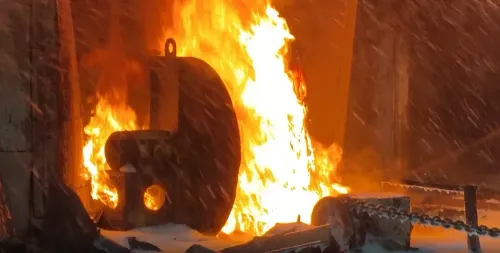
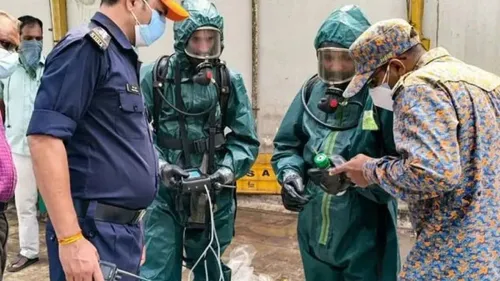
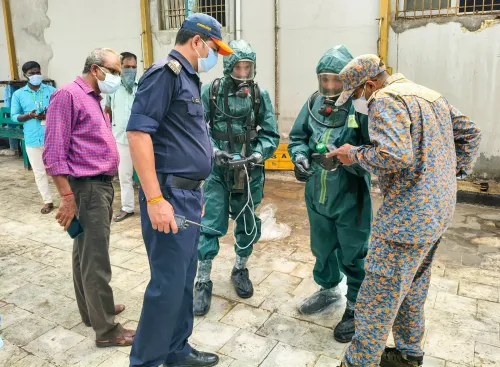
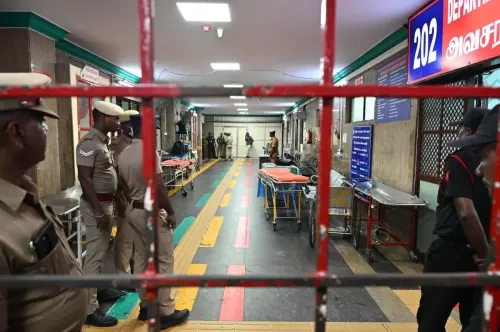
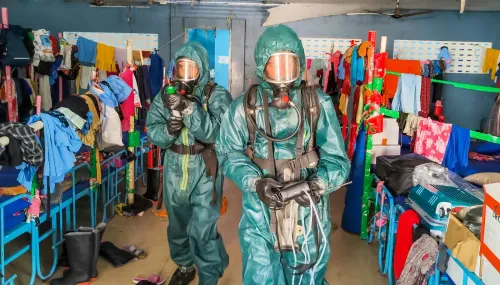
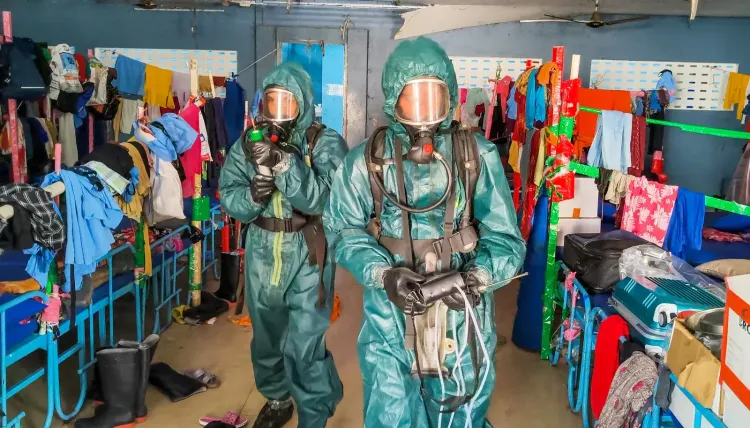
An ammonia leak at a seafood processing unit in Tiruvallur killed 16 workers and hospitalised more than 60 others.
Tamil Nadu is reviving a plan for a common digital platform to integrate inspection records across regulatory departments via API links .
A Government Order establishing the Tamil Nadu Central Inspection System was issued in October 2020 but was never fully operationalised.
The Directorate of Industrial Safety and Health (DISH) , TNPCB , and the Directorate of Boilers will each retain independent legal jurisdiction under the proposal.
Labour rights groups and environmental activists are calling for a comprehensive overhaul of the state's industrial safety regime.
The Tamil Nadu government has revived a long-stalled plan to integrate industrial inspection records across multiple regulatory departments, following the fatal ammonia leak at a seafood processing unit in Tiruvallur that killed 16 workers and hospitalised more than 60 others. Officials have clarified, however, that a single unified inspection authority is neither legally feasible nor administratively workable, given that each department operates under distinct statutory powers.
What Triggered the Revival
The Tiruvallur industrial disaster — one of the deadliest ammonia-related accidents in Tamil Nadu in recent memory — has intensified scrutiny of the state's fragmented regulatory oversight for hazardous industries. The tragedy reignited a debate that had simmered for years: whether India's siloed inspection architecture is adequate for facilities handling dangerous chemicals such as ammonia and other refrigerants.
Senior state government officials confirmed that discussions are now underway to establish a common digital platform that would integrate inspection data generated by different regulators through application programming interface (API) links, enabling departments to share records and compliance data without surrendering independent legal jurisdiction.
How the Proposed System Would Work
Under the proposal, the Directorate of Industrial Safety and Health (DISH) would continue overseeing worker safety under the Factories Act, while the Tamil Nadu Pollution Control Board (TNPCB), the Directorate of Boilers, Guidance, and other agencies would carry out inspections within their respective mandates.
A common online portal would host inspection schedules, reports, and compliance records generated by all participating departments. The platform is expected to improve inter-agency coordination while enhancing transparency — allowing industries and the public to track inspections conducted by different regulators in one place.
A Proposal Four Years in the Making
The initiative is not new. In October 2020, the Industries Department issued a Government Order establishing the Tamil Nadu Central Inspection System, envisaging a single digital portal to coordinate inspections by DISH, TNPCB, the Labour Department, and the Directorate of Boilers. The order also called for publishing inspection schedules, inspector allocation, and inspection reports to improve accountability.
However, the system was never fully operationalised. Officials acknowledged that preliminary discussions to implement the portal had taken place two to three years ago but failed to gather momentum. The Tiruvallur tragedy has now forced the proposal back onto the government's active agenda.
Calls for a Deeper Overhaul
Labour rights organisations and environmental activists have called for a comprehensive overhaul of Tamil Nadu's industrial safety regime. They argue that greater transparency, better coordination among regulatory agencies, and easier public access to inspection records are essential to preventing similar disasters. The government is also reportedly reviewing whether existing inspection mechanisms are adequate specifically for industries that handle hazardous chemicals and refrigerants.
With political and public pressure mounting, the pace at which the digital integration platform is operationalised will be closely watched as a test of the state's commitment to industrial safety reform.
Point of View
But the pattern of announcing reform frameworks after disasters and shelving them once the news cycle moves on is precisely what labour groups are warning against. The credibility test here is not whether a Government Order is issued, but whether the portal is live, populated with real data, and accessible to the public within a defined deadline. Fragmented statutory jurisdiction is a genuine constraint, but it has never been the actual barrier — the 2020 order already accounted for it. Momentum, not law, is what has been missing.
NationPress
28 Sept 2026
Frequently Asked Questions
What happened in the Tiruvallur ammonia leak?
An ammonia leak at a seafood processing unit in Tiruvallur, Tamil Nadu, killed 16 workers and left more than 60 others hospitalised. The incident exposed gaps in the state's industrial safety inspection framework.
What is the Tamil Nadu Central Inspection System?
It is a digital coordination platform proposed via a Government Order in October 2020 to integrate inspection data from DISH, TNPCB, the Labour Department, and the Directorate of Boilers into a single portal. The system was never fully operationalised.
Why can't Tamil Nadu create a single unified inspection authority?
State officials have clarified that a unified authority is neither legally feasible nor administratively desirable because each regulatory department — DISH, TNPCB, Directorate of Boilers, and others — operates under distinct statutory powers that cannot be merged without legislative changes.
How would the proposed digital platform work?
The platform would use API links to integrate inspection schedules, reports, and compliance records from multiple regulatory departments into a common online portal, allowing agencies to share data while retaining their independent legal mandates. Industries and the public would also be able to track inspections across agencies.
What are labour groups demanding after the Tiruvallur tragedy?
Labour rights organisations and environmental activists are calling for a comprehensive overhaul of Tamil Nadu's industrial safety regime, including greater inter-agency transparency, easier public access to inspection records, and a review of whether current mechanisms are adequate for industries handling hazardous chemicals such as ammonia.