Should Andhra Dy CM Kalyan Take Action Against Inflated Liquor Prices?
Synopsis
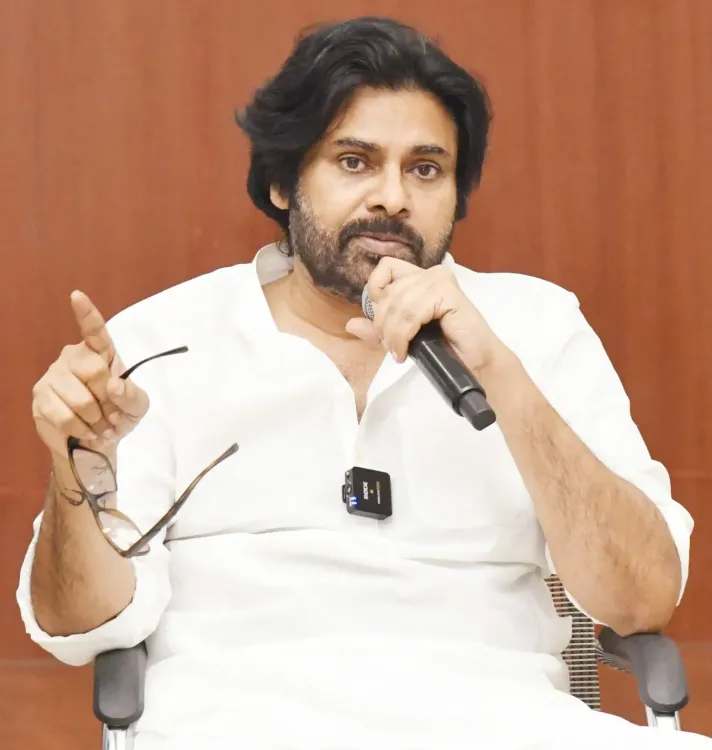
In a decisive move, Andhra Pradesh's Deputy Chief Minister Pawan Kalyan has ordered stringent surveillance on liquor shops amid rising complaints of inflated prices. He emphasizes compliance with regulations to protect the government's reputation, all while the state plans to adjust liquor pricing and tax policies. Will these actions curb the ongoing violations?
Key Takeaways
Pawan Kalyan has directed strict monitoring of liquor sales in Andhra Pradesh .
Complaints of inflated liquor prices have prompted government action.
The state cabinet approved a ₹10 price increase on liquor products.
The removal of additional retail excise tax aims to support bars financially.
Compliance with liquor sales laws is essential for maintaining government reputation.
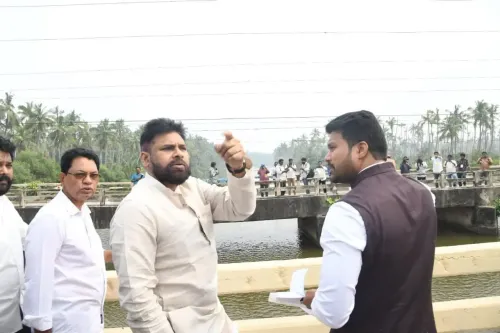
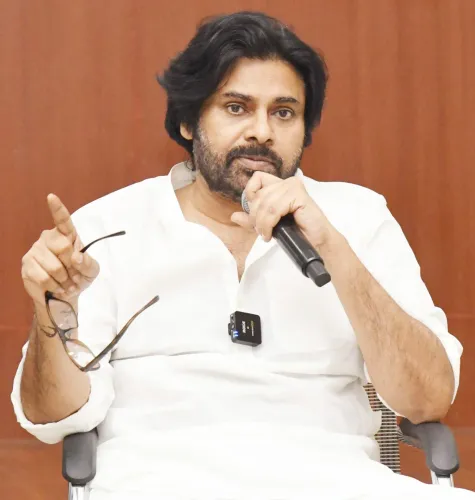
Amaravati, Feb 3 (NationPress) The Deputy Chief Minister of Andhra Pradesh, Pawan Kalyan, has instructed Excise officials to conduct ongoing monitoring of liquor outlets and implement measures against those engaging in the sale of alcoholic beverages at inflated prices.
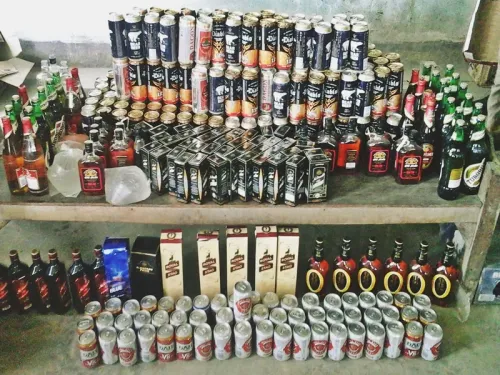
The Deputy Chief Minister has been informed of complaints regarding the sale of liquor at prices exceeding the Maximum Retail Price (MRP) throughout the state.
He emphasized that liquor shops should avoid tarnishing the government's reputation by selling products at elevated prices.
As per a statement from the Deputy Chief Minister, grievances have been reported from Kakinada district and other regions of the state. After reviewing these complaints, he noted that selling liquor above the prescribed prices is a violation of regulations, damaging to the government’s image.
The leader of Jana Sena party urged shopkeepers to comply with the laws governing liquor sales.
Pawan Kalyan’s Jana Sena is allied with the Telugu Desam Party (TDP) in the National Democratic Alliance (NDA) government.
The opposing YSR Congress Party has criticized the coalition government for allowing illegal liquor sales, with its leaders claiming that the government is facilitating widespread violations.
According to YSRCP representatives, shopkeepers are indeed selling liquor at inflated prices.
Last month, the state cabinet decided to raise the maximum retail price of all sizes of India-Made Foreign Liquor (IMFL) and foreign liquor by ₹10 per bottle while also eliminating an additional retail excise tax on bars.
It was clarified that the ₹10 price increase would not apply to lower-cost liquor (180 ml bottles priced at ₹99), beer, wine, and ready-to-drink (RTD) products.
Additionally, the cabinet has agreed to enhance the retailer margin by roughly 1% of the MRP on IMFL and foreign liquor, covering 180 ml IMFL bottles, beer, wine, and RTDs.
This price adjustment is projected to yield approximately ₹1,391 crore in additional annual revenue for the state, while the removal of the extra retail excise tax is expected to relieve bars of about ₹340 crore in yearly expenses.
Point of View
It is crucial to view this issue from a balanced perspective. The Deputy Chief Minister’s actions reflect a necessary response to public complaints regarding inflated liquor prices, which could undermine government credibility. While opposition parties express concern over illegal sales, it is essential to evaluate both the government's regulatory measures and the businesses involved. Transparency and adherence to laws will ultimately benefit both consumers and the government.
NationPress
2 Oct 2026
Frequently Asked Questions
Why is Pawan Kalyan ordering action against liquor shops?
Pawan Kalyan is responding to complaints about liquor being sold at prices exceeding the Maximum Retail Price, which is a violation of regulations.
What are the potential consequences for liquor shops selling at inflated prices?
Liquor shops could face action from Excise officials if found violating the MRP regulations, which may include fines or shutdowns.
How will the recent price hike affect consumers?
The increase in liquor prices by ₹10 per bottle may lead to higher costs for consumers, except for specific lower-priced categories.
What steps is the state government taking regarding liquor sales?
The state government is enhancing monitoring of liquor shops and has adjusted tax policies to mitigate financial burdens on bars while increasing revenue.
What is the stance of the opposition regarding this issue?
The YSR Congress Party has criticized the coalition government for allowing illegal liquor sales and has raised concerns about compliance with regulations.