Surge in Anti-Indian Sentiment Online Linked to US Immigration Policy Changes
Synopsis
A recent NCRI study reveals a dramatic rise in anti-Indian rhetoric online, especially in connection with immigration policies under Trump. The findings highlight the alarming trend of coordinated digital attacks against Indian communities, urging social media platforms to take responsibility.
Key Takeaways
24,000 posts related to anti-Indian sentiments were identified in a recent study.
These posts were viewed over 300 million times , marking a significant increase.
The surge correlates with changes in US immigration policy under Trump.
Social media platforms need to take responsibility for curbing hate speech.
Prominent figures are not immune to online hostility.
Washington, March 12 (NationPress) A recent analysis by the Network Contagion Research Institute (NCRI), based in the US, has revealed a notable increase in anti-Indian sentiments on social media. The study identified 24,000 posts on X in 2025 that collectively garnered over 300 million views, marking a dramatic threefold rise from the previous year, according to a report published on Thursday.
“The surge in anti-Indian content was driven primarily by a limited number of accounts rather than being organically disseminated,” the report stated. The three most active accounts were responsible for generating a total of 525 posts on X, which received an astounding 18.4 million views, likes, and reposts. These accounts accounted for over 10% of all likes and 20% of all reposts among the anti-Indian posts examined by NCRI,” highlighted a report from the American news website ‘The Free Press’.
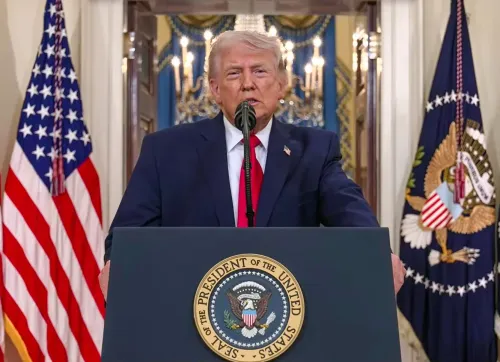
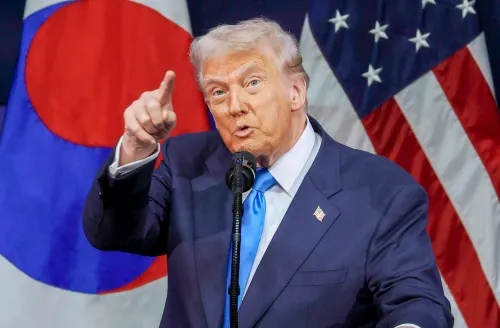
The analysis pointed out that spikes in anti-Indian posts often coincided with changes in immigration policy during President Donald Trump's administration, including a controversial $100,000 fee for employers sponsoring H-1B workers. In an executive order issued in September 2025, Trump claimed that the fee aimed to reduce fraud.
“Many of the highly-engaged anti-Indian tweets during this period praised this executive order as a method to limit Indian immigration while simultaneously engaging in racist verbal attacks,” The Free Press quoted the NCRI study as stating.
The report noted that derogatory ethnic slurs and stereotypes were frequently employed in discussions about visas, immigration (both legal and illegal), and assimilation. According to NCRI, the volume of anti-Indian posts peaked in mid-December, with over 800 posts per week containing slurs like “pajeet” and “dothead”.
Recently, a viral video showing an Indian couple participating in a dance challenge at Washington DC’s World War II Memorial sparked outrage, leading to calls for a reduction in visas.
“The clip prompted some Americans to emphasize the need to respect the solemnity of the location. ‘No more H-1B,’ one user commented. The work visa has become a common target in online insults directed at certain immigrant groups,” it was reported.
According to a report by India Narrative, the increase in anti-Indian hatred, as revealed by NCRI's analysis, is not merely random prejudice but a coordinated digital assault amplified by influencers and algorithms, jeopardizing immigrant communities and free dialogue.
“Even well-known Indian-Americans are not spared from this onslaught. Usha Vance, the Second Lady of the US with Indian immigrant parents, received over 2,000 hostile posts; Vice President J.D. Vance responded strongly to the criticism. FBI Director Kash Patel and DOJ Civil Rights head Harmeet Dhillon have also faced racist attacks. Dhillon condemned the “blatant racism and nativism” during the 2024 RNC. Indian conservatives like Utsav Sanduja warn that this trend undermines the bipartisan support established over the years,” the report elaborated.
The report further stated, “Social media platforms must take action: reduce algorithmic boosts for hate speech, verify influencer networks, and ensure transparency regarding high-visibility content. Policymakers should differentiate between legitimate H-1B reforms and ethnic scapegoating. India, a vital ally of the US in technology and defense, deserves better than derogatory remarks.”
Point of View
As documented by the NCRI study, is a concerning trend that reflects broader societal issues linked to immigration debates. It highlights the urgent need for both social media platforms and policymakers to address these harmful narratives while ensuring that legitimate immigration reforms are not conflated with racism.
NationPress
30 Sept 2026
Frequently Asked Questions
What does the NCRI study reveal about anti-Indian rhetoric?
The NCRI study found a surge in anti-Indian posts on X, totaling 24,000 posts viewed over 300 million times, indicating a threefold increase compared to the previous year.
What factors contributed to the increase in anti-Indian sentiments?
The increase often coincided with changes in immigration policy under President Trump, including a $100,000 fee for H-1B sponsorships.
What impact do social media platforms have on this issue?
Social media platforms can amplify hate speech through algorithms. The NCRI suggests these platforms need to curb algorithmic boosts for hate and increase transparency.
Who are some prominent figures affected by this hate speech?
Notable individuals such as Usha Vance and Harmeet Dhillon have faced significant online hostility, highlighting the pervasive nature of this issue.
What should policymakers do in response to this trend?
Policymakers should differentiate between legitimate immigration reforms and ethnic scapegoating to protect immigrant communities.