Andhra Pradesh's 600 MW solar push: ₹3,000 crore SAEL project commissioned in YSR Kadapa
Synopsis
Andhra Pradesh has commissioned its first major project under the Integrated Clean Energy Policy — a 600 MW solar facility in YSR Kadapa built in a record 11 months at nearly ₹3,000 crore. With a ₹10 lakh crore investment target by 2029, the state is making a credible early case for its ambition to become India's clean energy capital.
Key Takeaways
SAEL Limited commissioned 600 MW of solar power in YSR Kadapa district , Andhra Pradesh , in a record 11 months .
The project cost nearly ₹3,000 crore and spans more than 2,400 acres , deploying over 12 lakh TOPCon bifacial solar modules.
Energy will be supplied to the national grid under a 25-year PPA with Solar Energy Corporation of India .
The facility is expected to avoid nearly 11 lakh tonnes of CO2 emissions annually.
Andhra Pradesh targets ₹10 lakh crore in clean energy investments by 2029 under its Integrated Clean Energy Policy .
Nearly 80% of the 1,000+ construction workers were sourced from local communities.
Andhra Pradesh has accelerated the rollout of its Integrated Clean Energy Policy, with SAEL Limited commissioning 600 MW of solar power projects in YSR Kadapa district — the first major milestone under the state's ambitious plan to attract ₹10 lakh crore in clean energy investments by 2029. The integrated solar facility, developed at a cost of nearly ₹3,000 crore, was completed in a record 11 months.
Project Details and Scale
The facility spans more than 2,400 acres and comprises two 300 MW projects — SAEL Solar MHP1, commissioned on 30 January 2026, and SAEL Solar MHP2, commissioned on 13 March 2026. State Minister for HRD, IT & Electronics and RTG, Nara Lokesh, is set to formally inaugurate both projects on Friday.
The facility deploys more than 12 lakh advanced TOPCon bifacial solar modules, a majority of which were assembled at SAEL's manufacturing facilities in Punjab and Rajasthan. Clean energy generated will feed directly into the national grid under a 25-year Power Purchase Agreement with the Solar Energy Corporation of India (SECI).
What Chief Minister Naidu Said
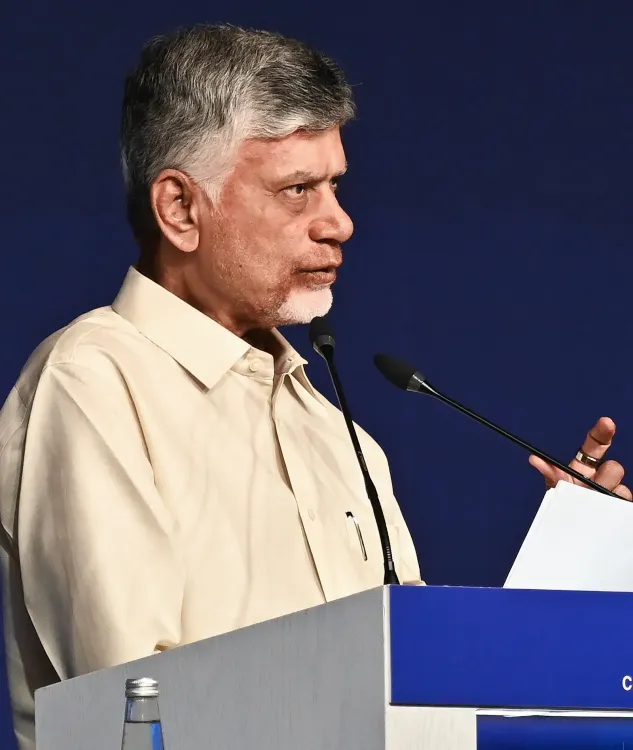
Chief Minister N. Chandrababu Naidu posted on X that it is 'a matter of pride for Andhra Pradesh that the first project under the forward-looking Integrated Clean Energy Policy 2024 is now being commissioned.' Naidu added that the government remains committed to positioning Andhra Pradesh as India's clean energy capital.
Environmental and Economic Impact
The projects are expected to avoid nearly 11 lakh tonnes of CO2 emissions annually, according to official figures. During construction, more than 1,000 workers were engaged directly and indirectly, with nearly 80 per cent drawn from local communities in the region.
The development has also created long-term economic opportunities for farmers through structured land lease arrangements spanning nearly 25 years, providing stable income streams for rural families in YSR Kadapa. This combination of environmental and livelihood outcomes is central to the state's pitch to further investors.
Andhra Pradesh's Broader Clean Energy Ambition
The Integrated Clean Energy Policy targets investment across renewable energy, storage, green hydrogen, transmission, and manufacturing ecosystems. The commissioning of the SAEL projects is being cited by the state government as evidence of its execution capability — a key signal for the pipeline of projects expected under the ₹10 lakh crore target by 2029. Notably, completing a 600 MW facility in 11 months is among the faster delivery timelines recorded for utility-scale solar in India. With the formal inauguration still ahead, Andhra Pradesh appears to be using this milestone to reinforce its positioning as a preferred destination for large-scale clean energy capital.
Point of View
And Andhra Pradesh is right to amplify it. But the real metric is whether this pace holds as the state chases ₹10 lakh crore in investments by 2029 — a target that will require not just one fast-tracked project but a sustained pipeline across green hydrogen, storage, and transmission. The SAEL milestone also raises a structural question: with modules assembled in Punjab and Rajasthan rather than Andhra Pradesh itself, how much of the manufacturing value chain will the state actually capture? That gap between energy ambition and industrial depth is where the policy will be truly tested.
NationPress
5 Oct 2026
Frequently Asked Questions
What is the SAEL 600 MW solar project in Andhra Pradesh?
It is a 600 MW integrated solar facility developed by SAEL Limited in YSR Kadapa district, comprising two 300 MW projects commissioned in early 2026. Built at a cost of nearly ₹3,000 crore, it is the first major project under Andhra Pradesh's Integrated Clean Energy Policy 2024.
When were the SAEL Solar MHP1 and MHP2 projects commissioned?
SAEL Solar MHP1 achieved commercial operations on 30 January 2026, and MHP2 on 13 March 2026. Both were completed within 11 months, which officials describe as a record timeline for a project of this scale.
What is Andhra Pradesh's clean energy investment target?
Under its Integrated Clean Energy Policy, Andhra Pradesh aims to attract investments worth ₹10 lakh crore by 2029 across renewable energy, storage, green hydrogen, transmission, and manufacturing ecosystems.
How will the solar energy from these projects be used?
The clean energy generated will feed directly into the national grid under a 25-year Power Purchase Agreement with the Solar Energy Corporation of India (SECI).
What is the environmental and local economic impact of the project?
The facility is expected to avoid nearly 11 lakh tonnes of CO2 emissions annually. During construction, over 1,000 workers were employed, with nearly 80% from local communities, and farmers in the region have been offered 25-year land lease arrangements.