Indian Army's Brahmastra Corps honours Vande Mataram at Bankim Chandra's birthplace
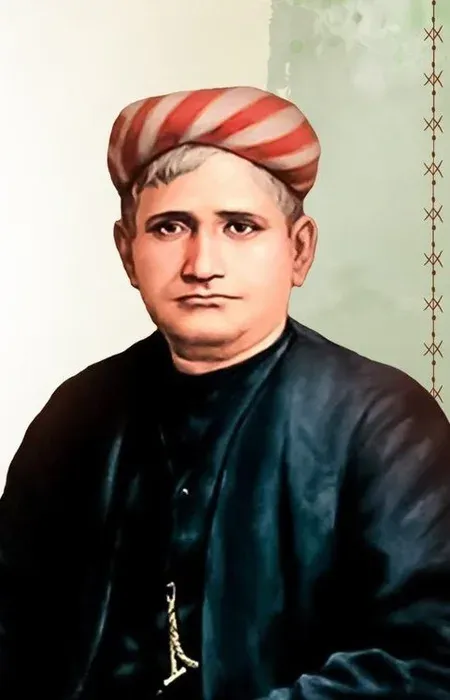
Synopsis
The Indian Army's Brahmastra Corps brought its Pipe Band to Bankim Chandra Chattopadhyay's birthplace in Naihati on the 150th anniversary of Vande Mataram — days after Parliament gave the national song near-equal legal standing to the national anthem. With President Murmu's assent now in, insulting Vande Mataram can attract criminal punishment for the first time.
Key Takeaways
The XVII Mountain Strike Corps (Brahmastra Corps) performed a Pipe Band Display at Naihati , birthplace of Bankim Chandra Chattopadhyay , on 12 August 2026 .
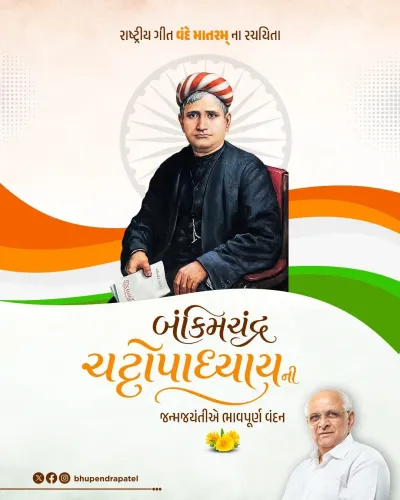
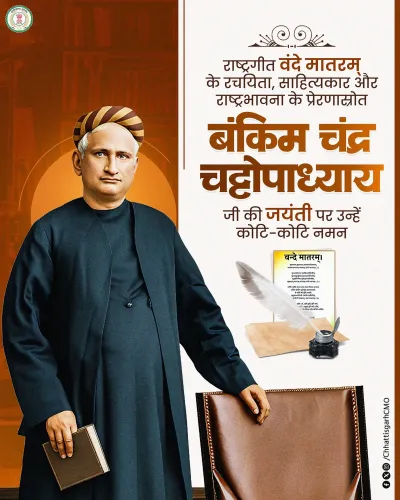
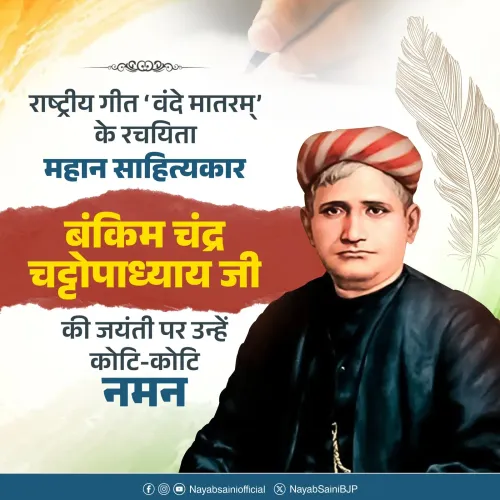
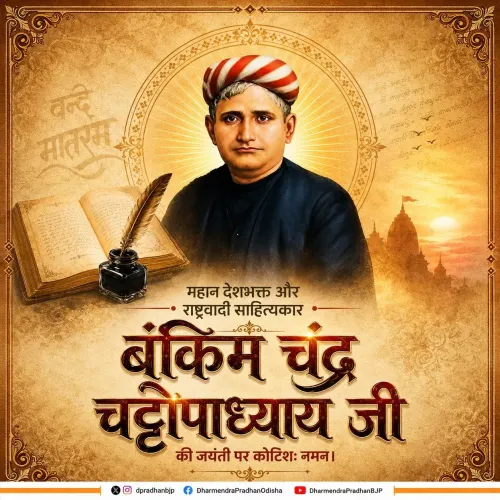
The event marks 150 years of Vande Mataram , composed by Chattopadhyay in 1876 and first published in his novel Anandamath .
President Droupadi Murmu gave assent to a Bill granting Vande Mataram legal protection under the Prevention of Insults to National Honour Act .
The Modi government has made all six stanzas of Vande Mataram mandatory at official events where the national anthem is played.
The West Bengal government has made daily singing of Vande Mataram compulsory in all schools and recognised madrasas in the state.
Shantanu Chatterjee , the fifth-generation descendant of Chattopadhyay, witnessed the Army tribute at Naihati.
The XVII Mountain Strike Corps, known as the Brahmastra Corps, of the Indian Army's Eastern Command, paid a ceremonial tribute to the national song 'Vande Mataram' and its composer Bankim Chandra Chattopadhyay at Naihati in North 24 Parganas, West Bengal, on 12 August 2026. The tribute marks 150 years of Vande Mataram and comes days ahead of Independence Day 2026.
The Pipe Band Display at Naihati
An Army band travelled to Kanthalpara village in Naihati — the birthplace of Chattopadhyay — and performed a Pipe Band Display at the heritage house, which now functions as a museum with a library and research centre. The performance was witnessed by Shantanu Chatterjee, the fifth-generation descendant of Bankim Chandra Chattopadhyay, along with students and teachers from nearby schools.
Residents of Kanthalpara said they were moved by the Army's gesture. The Eastern Command described the event as 'a stirring tribute to India's heritage, unity and enduring spirit of patriotism,' in a post on social media platform X.
Why 2026 Marks a Milestone for Vande Mataram
Vande Mataram was composed by Chattopadhyay in 1876 and first appeared in his celebrated novel Anandamath. In 1905, the Indian National Congress adopted the song to galvanise nationalist sentiment during the freedom movement. It was formally recognised as the national song in 1950, though only the first two stanzas were designated for official use at that time.
This year marks 150 years since its composition — a milestone that has prompted a series of governmental and institutional observances across the country.
New Legal Status for Vande Mataram
The Narendra Modi-led Union government has mandated the playing of all six stanzas of Vande Mataram at official events where the national anthem is also performed. Parliament also passed a Bill extending legal protection to the song under the Prevention of Insults to National Honour Act.
On Tuesday, President Droupadi Murmu gave her assent to the Bill, converting it into law. Vande Mataram now shares a status nearly equivalent to that of the national anthem — citizens are required to stand when it is played, and any insult to the song can attract legal punishment.
West Bengal's Own Mandate
The West Bengal government has separately made the singing of Vande Mataram compulsory at all schools and recognised madrasas in the state every day. The dual mandate — from both the Centre and the state — underscores the song's renewed prominence in public life ahead of the 150th anniversary celebrations.
With Vande Mataram now carrying the force of law and the Army lending ceremonial weight to the occasion, the 150th-year observance is shaping up to be among the most institutionally significant in the song's history.
Point of View
But the more consequential development is the legal one: Vande Mataram now carries enforceable protections for the first time in its 150-year history. The shift from a cultural symbol to a legally protected national emblem raises legitimate questions about the boundary between patriotism and compulsion — particularly given the West Bengal mandate that extends the requirement to madrasas daily. Parliament moved quickly, but public debate on the scope of 'insult' under the amended Act has barely begun. That gap between legislative speed and civic deliberation is worth watching.
NationPress
26 Sept 2026
Frequently Asked Questions
Why did the Indian Army visit Bankim Chandra Chattopadhyay's birthplace in Naihati?
The Brahmastra Corps of the Eastern Command performed a Pipe Band Display at Naihati to mark 150 years of Vande Mataram and to honour its composer Bankim Chandra Chattopadhyay ahead of Independence Day 2026. The event was attended by Chattopadhyay's fifth-generation descendant Shantanu Chatterjee and local students.
What is the new law on Vande Mataram passed by Parliament?
Parliament passed a Bill to extend legal protection to Vande Mataram under the Prevention of Insults to National Honour Act. President Droupadi Murmu gave her assent, making it law — meaning citizens must stand when the song is played and any insult to it can attract legal punishment.
Why is 2026 significant for Vande Mataram?
2026 marks 150 years since Vande Mataram was composed by Bankim Chandra Chattopadhyay in 1876. The Union government has designated this anniversary with a series of observances, including making all six stanzas mandatory at official events.
What has changed about how Vande Mataram is used at official events?
The Modi government has mandated the playing of all six stanzas of Vande Mataram at official events where the national anthem is also performed. Previously, only the first two stanzas were designated for official use since 1950.
What has the West Bengal government decided about Vande Mataram?
The West Bengal government has made the daily singing of Vande Mataram compulsory at all schools and recognised madrasas across the state, aligning with the Centre's broader push to elevate the national song's prominence during its 150th anniversary year.