Arunachal Pradesh handloom sector employs 32,000 weavers, mostly women
Synopsis
Arunachal Pradesh is home to over 32,000 handloom weavers — most of them women — and Chief Minister Pema Khandu used the 12th National Handloom Day to signal a shift from heritage preservation to economic scaling: GI tags, sericulture integration, and e-commerce access are the new levers. The state's rare ability to produce all four commercial silk varieties makes this more than a cultural story.
Key Takeaways
Arunachal Pradesh has over 32,000 handloom weavers , the majority of them women, dependent on the sector for rural livelihoods.
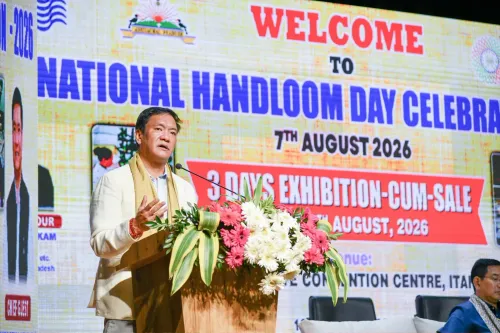
Chief Minister Pema Khandu addressed the 12th National Handloom Day on 7 August 2025 at the DK Convention Centre, Itanagar .
The government is establishing Common Facility Centres (CFCs) and providing training in natural dyeing, design innovation and product diversification.
Several traditional textiles are in the process of securing Geographical Indication (GI) tags to protect indigenous designs and command premium prices.
Arunachal is one of few Indian states capable of producing all four commercial silk varieties : Eri, Muga, Mulberry and Oak Tasar .
Khandu launched the Artisan Data Bank , Department of Textiles and Handicrafts website , and distributed SAMARTH certificates and Yarn Pass Books at the event.
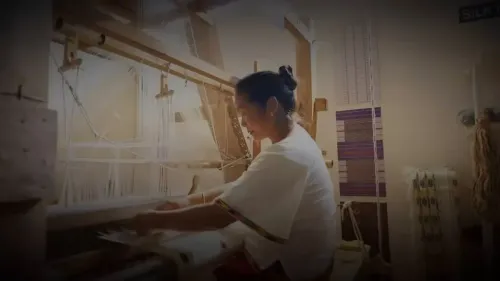
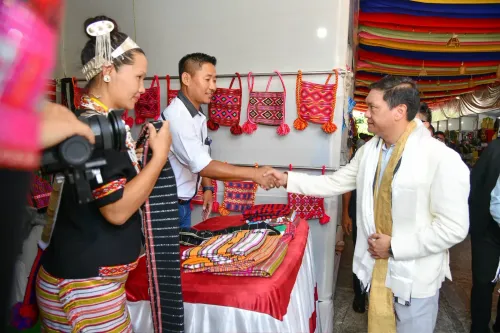
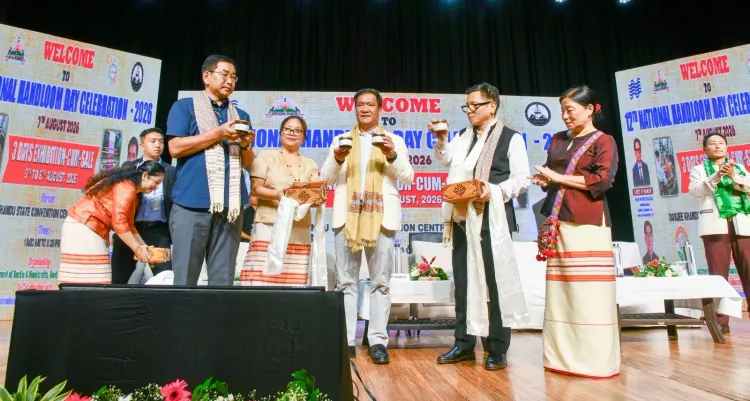
Arunachal Pradesh Chief Minister Pema Khandu on 7 August 2025 spotlighted the state's handloom sector, revealing that over 32,000 weavers — the majority of them women — depend on the craft for their livelihoods. Speaking at the inaugural function of the 12th National Handloom Day celebrations at the DK Convention Centre, Itanagar, Khandu reaffirmed the state government's commitment to converting Arunachal's weaving heritage into a commercially viable economic force.
Scale and Significance of the Sector
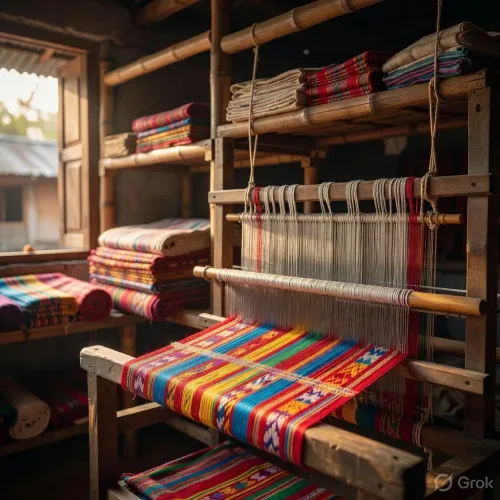
The Chief Minister described handloom as far more than an occupation, calling it the cultural identity and living heritage of the state's indigenous tribes. 'Every woven fabric of Arunachal tells the story of our people, our traditions and our identity. Our handloom sector has the potential to become a major driver of rural livelihoods, women empowerment and sustainable economic growth,' he said.
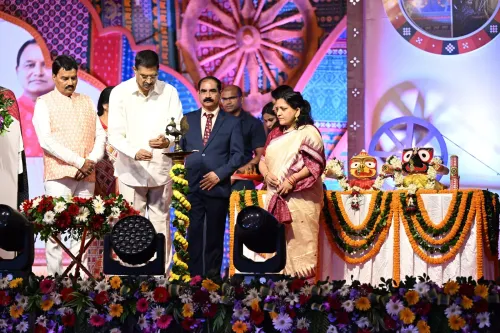
The three-day celebration, now in its twelfth edition, brought together ministers, legislators, senior officials, master weavers, artisans, Self-Help Groups (SHGs) and private stakeholders from across the state.
Government Initiatives and Infrastructure Push
Khandu outlined several ongoing interventions: the establishment of Common Facility Centres (CFCs), upgrades to weaving infrastructure, and the introduction of modern equipment designed to boost productivity without diluting the authenticity of traditional designs. Weavers are also receiving training in contemporary design techniques, natural dyeing, quality improvement and product diversification to help them compete in national and international markets.
He noted that both state and Central government schemes are channelling financial assistance, raw materials, modern looms and marketing support to weavers and artisan groups across the state. Young entrepreneurs were urged to tap opportunities in the sector by combining traditional craftsmanship with digital marketing and e-commerce platforms.
GI Tags and Market Access
A key focus of the Chief Minister's address was Geographical Indication (GI) registration for Arunachal's indigenous textile products. Khandu said several traditional textiles have either secured or are in the process of securing GI tags, which would authenticate products, protect traditional knowledge and command premium prices in both domestic and international markets — while preventing imitation of indigenous designs.
He stressed the need for innovation that does not compromise the originality of tribal designs, arguing that value addition and quality enhancement are the route to premium market access.
Sericulture as a Growth Lever
Khandu also highlighted the untapped potential of sericulture, describing it as a natural complement to the handloom ecosystem. Arunachal Pradesh's favourable climate, he noted, positions the state as one of the few regions in India capable of producing all four commercially important varieties of silk — Eri, Muga, Mulberry and Oak Tasar. Strengthening the full sericulture value chain — from host plant cultivation and silkworm rearing to reeling, spinning and weaving — would, according to the Chief Minister, raise rural incomes while supplying quality raw material to the growing handloom industry.
Key Launches at the Event
As part of the inaugural programme, Khandu launched the Department of Textiles and Handicrafts website and an Artisan Data Bank, along with Atii – Arunachal Honey. He felicitated outstanding weavers and artisans, and distributed SAMARTH certificates and Yarn Pass Books to support and empower artisans across the state.
With GI tagging, digital outreach and sericulture integration now on the agenda, the next phase will test whether these policy commitments translate into measurable income gains for Arunachal's weaving communities.
Point of View
000-weaver figure is significant, but the more telling signal is the pivot from cultural preservation to market integration — GI tags, e-commerce, and sericulture linkages suggest Arunachal is serious about monetising heritage. The challenge is execution: GI registration without robust supply-chain support rarely moves the income needle for artisans at the base. The Artisan Data Bank, if maintained rigorously, could be the accountability tool that previous handloom schemes lacked. Whether the four-silk-variety advantage translates into a branded export story depends on how quickly the sericulture value chain is formalised — and whether weavers, not just intermediaries, capture the premium.
NationPress
22 Sept 2026
Frequently Asked Questions
How many handloom weavers are there in Arunachal Pradesh?
Arunachal Pradesh has over 32,000 handloom weavers, the majority of them women, who depend on the sector as a primary source of rural livelihood. Chief Minister Pema Khandu shared this figure at the 12th National Handloom Day event in Itanagar on 7 August 2025.
What is the 12th National Handloom Day and why was it held in Itanagar?
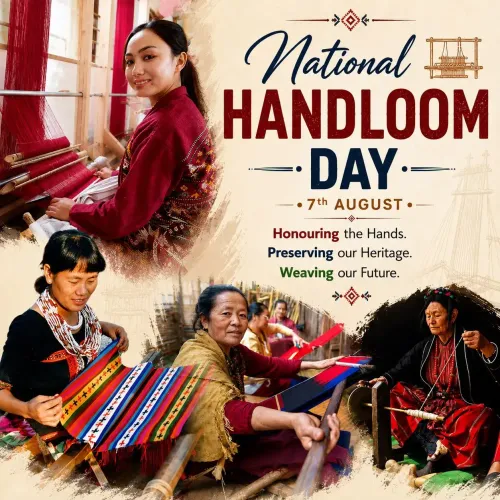
National Handloom Day is observed annually on 7 August to honour India's weaving traditions and the artisans who sustain them. The 12th edition's three-day celebration was held at the DK Convention Centre in Itanagar, with Arunachal Pradesh hosting the event to spotlight its indigenous tribal textile heritage.
What government schemes are supporting Arunachal's weavers?
Both state and Central government schemes are providing financial assistance, raw materials, modern looms and marketing support to weavers. The state has also set up Common Facility Centres, upgraded weaving infrastructure and launched an Artisan Data Bank, alongside distributing SAMARTH certificates and Yarn Pass Books to artisans.
What is the significance of GI tags for Arunachal's handloom products?
Geographical Indication (GI) tags authenticate traditional textile products, protect indigenous designs from imitation and allow weavers to command premium prices in national and international markets. Several Arunachal textiles have either secured or are in the process of securing GI registration, according to Chief Minister Khandu.
Why is sericulture important for Arunachal Pradesh's handloom sector?
Arunachal Pradesh's climate allows it to produce all four commercially important silk varieties — Eri, Muga, Mulberry and Oak Tasar — making it one of the few states in India with this capability. Strengthening the sericulture value chain would boost rural incomes and supply quality raw material to the state's handloom industry.