ASEAN Foreign Ministers Urge Immediate Peace in the Middle East
Synopsis
In a recent meeting, ASEAN Foreign Ministers called for an urgent end to hostilities in the Middle East, advocating for diplomatic resolutions to ensure regional stability. This statement comes amidst escalating tensions following military actions in the region, emphasizing the need for self-restraint and adherence to international law.
Key Takeaways
The ASEAN Foreign Ministers have called for an immediate end to hostilities in the Middle East.
There is a strong emphasis on diplomatic resolutions to conflicts.
The impact of the Middle East conflict on global economic stability is a key concern.
ASEAN's unity and cooperation are vital for navigating external economic shocks.
Strengthening regional connectivity and energy security is paramount for ASEAN's future.
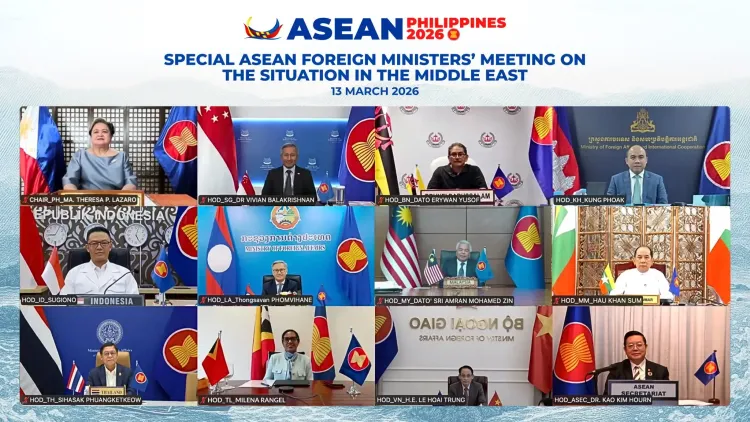
Manila, March 13 (NationPress) The Foreign Ministers of the Association of Southeast Asian Nations (ASEAN) convened on Friday to stress the critical need for an immediate halt to hostilities in the Middle East. They urged all involved parties to exercise maximum self-restraint, refrain from actions that may escalate tensions, and seek diplomatic solutions to foster peace and stability in the broader region.
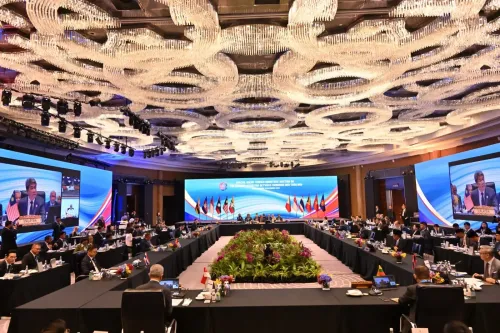
This unified statement from the ASEAN Foreign Ministers followed a special virtual meeting aimed at discussing the rapidly changing circumstances in the Middle East and their implications for ASEAN.
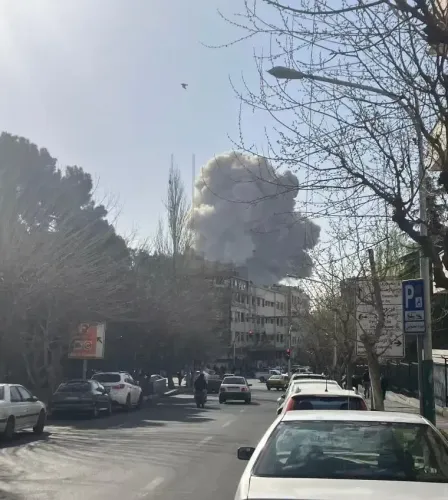
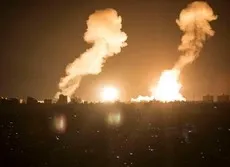
"The meeting conveyed deep concern over the intensifying conflict in the Middle East, particularly after the assaults launched by Israel and the United States against the Islamic Republic of Iran on February 28, 2026, alongside the Israeli strikes on Lebanon, which have led to retaliatory actions from Iran targeting various countries in the region, including Bahrain, Jordan, Iraq, Kuwait, Oman, Qatar, Saudi Arabia, Syria, and the UAE. This ongoing violence is heightening tensions and poses a significant threat to civilian safety and regional as well as global peace and stability," the statement noted.
Convened by the current ASEAN Chair, the Philippines, the meeting called on all nations to adhere to international law, including the United Nations Charter.
It further reiterated the duty to protect civilians and civilian infrastructure during armed conflicts, in accordance with international law and relevant UN Security Council resolutions.
The Foreign Ministers also explored the repercussions of the Middle East conflict on global economic activities, especially energy markets and transportation routes. They highlighted the necessity of maintaining stable and open global energy supply chains and maritime trade routes to minimize disruptions in the flow of energy and essential goods, including food, ensuring economic stability within ASEAN.
"The Meeting emphasized the significance of enhancing regional energy security and economic resilience, underlining the value of ASEAN unity, economic integration, and coordinated policy efforts. This collaboration is vital to navigate external economic shocks and mitigate their potential impacts on regional macroeconomic and financial stability, including the financial sectors, supply chains, and the cost of living for people across ASEAN," stated the group.
The ministers pointed out the importance of improving regional connectivity, boosting cooperation on energy preparedness, and advancing efforts to diversify energy sources, including renewable and alternative energies. They also stressed the need to facilitate trade, strengthen logistical connections, and bolster supply chain resilience to ensure consistent access to affordable essential goods, particularly food products, throughout ASEAN.
ASEAN was founded in August 1967 in Thailand with the signing of the ASEAN Declaration (Bangkok Declaration) by the founding members: Indonesia, Malaysia, Philippines, Singapore, and Thailand. Brunei Darussalam joined in January 1984, followed by Vietnam in July 1995, Laos and Myanmar in July 1997, Cambodia in April 1999, and Timor-Leste on October 25 last year, forming the current 11-member ASEAN community.
Point of View
The recent meeting of ASEAN Foreign Ministers reflects a significant and unified stance on the pressing need for peace in the Middle East. Their call for restraint and diplomacy underscores the importance of regional stability and adherence to international laws, which are crucial for the safety and well-being of civilians.
NationPress
12 Oct 2026
Frequently Asked Questions
What did ASEAN Foreign Ministers discuss in their recent meeting?
The ASEAN Foreign Ministers emphasized the need for an immediate cessation of hostilities in the Middle East and urged all parties to exercise self-restraint and resolve conflicts through diplomacy.
Why is the situation in the Middle East significant for ASEAN?
The escalating conflict poses threats to regional and global peace, safety of civilians, and could impact global economic activities, particularly energy markets and supply chains.
What actions did the ministers propose to ensure economic stability?
They highlighted the importance of maintaining stable energy supply chains, enhancing regional connectivity, and diversifying energy sources to safeguard economic stability in ASEAN.
When was ASEAN established?
ASEAN was established in August 1967 in Thailand with the signing of the ASEAN Declaration by five founding members.
How many member states are in ASEAN today?
ASEAN currently comprises 11 member states.