IMF Reports Steady Growth in Asia Amid Energy Price Surge
Synopsis
The IMF highlights that while Asia's growth remains strong, rising oil and gas prices due to the Middle East conflict pose significant inflation risks. The financial landscape is tightening, urging reforms for sustainable economic health.
Key Takeaways
Asia's growth remains robust despite external pressures.
Rising energy prices pose significant inflation risks.
The IMF urges reforms to enhance social safety and trade.
Projected growth is set to moderate in the coming years.
High youth unemployment and skills mismatch are critical issues.
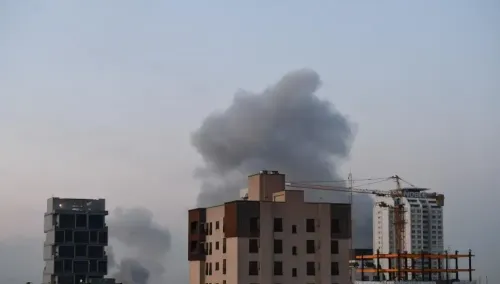
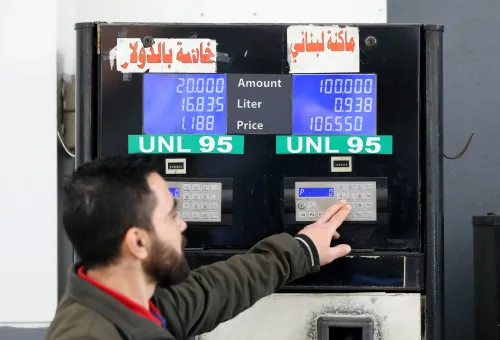
Washington, April 20 (NationPress) The growth trajectory in Asia continues to be robust, yet a spike in oil and gas prices, spurred by the ongoing conflict in the Middle East, is heightening inflation concerns and external balance risks, according to the International Monetary Fund (IMF).
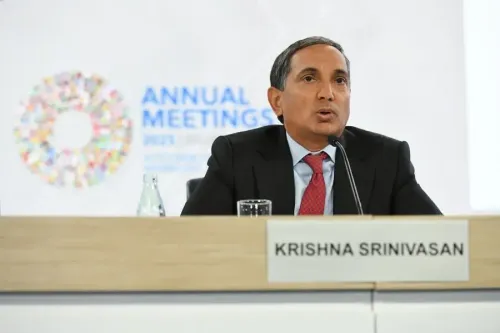
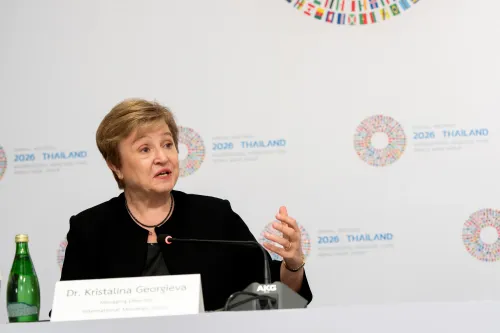
"Asia commenced 2026 with a strong foundation, exhibiting resilient growth despite facing the impact of US tariffs and increasing uncertainty," stated Krishna Srinivasan, Director of the IMF’s Asia and Pacific Department, during a press briefing at the Spring Meetings.
He cautioned that "this new energy shock is poised to negatively influence the region," noting that it is "escalating inflation, undermining external balances, tightening financial conditions, and constricting policy options."
The IMF emphasized that Asia’s vulnerability is significant due to its energy-dependent economies and reliance on imports. Energy consumption represents approximately 4% of GDP across the region, nearly double that of Europe.
"The limited domestic production translates this high energy intensity into a reliance on imports," Srinivasan elaborated, highlighting that net oil and gas imports account for roughly 2.5% of GDP, soaring to as high as 8% in certain economies.
In light of the current situation, the IMF maintained its baseline growth forecasts, assuming the conflict remains constrained. Regional growth is anticipated to moderate from 5% in 2025 to 4.4% in 2026 and further to 4.2% in 2027.
“Asia continues to be the primary engine of global growth,” Srinivasan remarked, while cautioning that risks are "firmly skewed to the downside."
The report also pointed out systemic challenges, including high youth unemployment and skill mismatches. The rapid integration of artificial intelligence could exacerbate labor market pressures if skill development does not keep pace, according to the fund.
The IMF advocated for reforms aimed at bolstering social safety nets, enhancing domestic demand, and fostering deeper regional trade integration. It also called for investments in alternative energy sources and efficiency measures to mitigate future risks.
Point of View
The IMF's assessment underscores a pivotal moment for Asia's economy. With external shocks like rising energy prices, the call for urgent reforms and strategic investments becomes increasingly crucial to secure the region's growth trajectory. A nation-first approach in addressing these challenges is essential for sustainable progress.
NationPress
19 Sept 2026
Frequently Asked Questions
What are the primary risks to Asia's growth according to the IMF?
According to the IMF, the primary risks to Asia's growth stem from rising oil and gas prices due to the Middle East conflict, which may lead to increased inflation and weaker external balances.
How dependent is Asia on energy imports?
Asia's economies are highly energy-dependent, with energy consumption accounting for approximately 4% of GDP, nearly double that of Europe, making the region vulnerable to import fluctuations.
What is the IMF's growth forecast for Asia?
The IMF projects that regional growth will ease from 5% in 2025 to 4.4% in 2026 and further to 4.2% in 2027, assuming the ongoing conflict remains limited.
What reforms does the IMF suggest for Asia?
The IMF suggests reforms to strengthen social safety nets, boost domestic demand, deepen regional trade integration, and invest in alternative energy sources to reduce future risks.
What challenges does the IMF identify related to employment?
The IMF identifies high youth unemployment and skill mismatches as critical challenges, warning that the fast adoption of artificial intelligence could worsen labor market pressures.