Assam Cabinet clears ₹11,000-crore cement project, ₹797-crore wetland restoration
Synopsis
In a single Cabinet session on 24 September, Assam approved a ₹11,000-crore cement project set to create 2,000 jobs, an ADB-backed ₹797-crore initiative to restore 102 community wetlands, a pre-Durga Puja Orunodoi bump to ₹1,500, and a 20% bonus for tea corporation workers — signalling a simultaneous push on industry, ecology, and welfare ahead of the festive season.
Key Takeaways
The Assam Cabinet on 24 September 2026 approved a ₹11,000-crore investment for a clinker manufacturing unit and four cement grinding units , expected to create 2,000 direct jobs .
The SWIFT Project worth ₹796.88 crore — funded ₹637.504 crore by an ADB loan — will restore at least 102 derelict community wetlands (beels) .
504 bighas of land at Niz-Gondhmow, Hajo approved for an industrial estate, with compensatory VGR land reserved at Dokania .
Orunodoi assistance raised from ₹1,250 to ₹1,500 for October as a Durga Puja measure; October 17 declared an additional holiday.
Elections to the Mising Autonomous Council and Sonowal Kachari Autonomous Council to be held in November .
A College of Agriculture at Patharkandi, Sribhumi approved with 256 bighas of land under Assam Agricultural University .
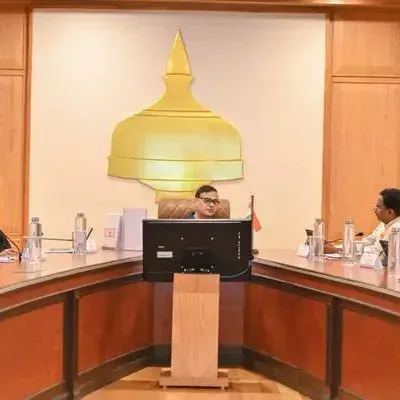
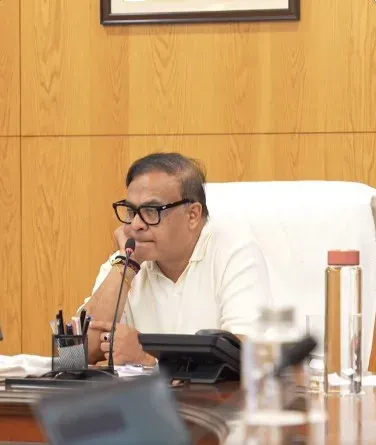
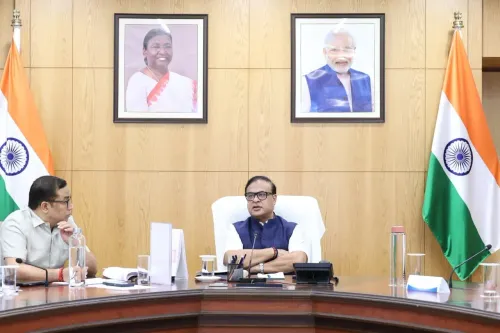
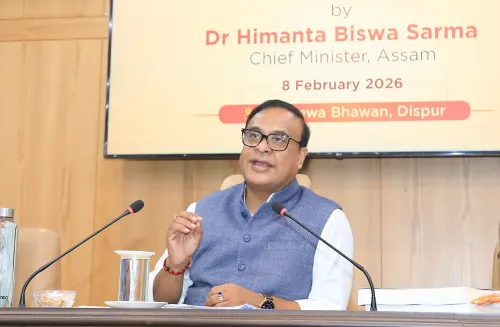
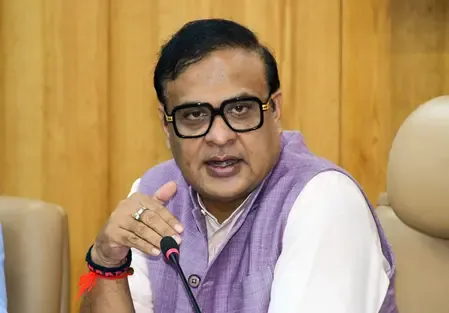
The Assam Cabinet on Thursday, 24 September 2026, approved a sweeping set of measures spanning industrial investment, wetland rehabilitation, agriculture support, and social welfare — anchored by a ₹11,000-crore proposal for a clinker manufacturing unit and four cement grinding units, and a ₹796.88-crore Asian Development Bank-backed wetland restoration initiative. Chief Minister Himanta Biswa Sarma announced the decisions after chairing the Cabinet meeting at Lok Sewa Bhawan in Dispur.
Cement and Industrial Investment
The Cabinet greenlit a proposed ₹11,000-crore investment to establish a clinker manufacturing unit and four cement grinding units across Assam. The project is expected to generate approximately 2,000 direct jobs, making it one of the larger private-sector industrial commitments in the state in recent years.
In a related industrial decision, the government approved the allotment of 504 bighas of land at Niz-Gondhmow under Hajo Revenue Circle for a new industrial estate. The land, currently designated as Village Grazing Reserve (VGR), will be dereserved, with an equivalent 504 bighas of government land at Dokania reserved as VGR in its place — a compensatory swap designed to balance industrial expansion with land conservation obligations.
SWIFT Project: Restoring 102 Wetlands
Under the Assam Sustainable Wetland and Integrated Fisheries Transformation (SWIFT) Project, the state will restore and rehabilitate at least 102 derelict community beels (wetlands). The total project cost stands at ₹796.88 crore, with ₹637.504 crore funded through an Asian Development Bank (ADB) loan and the remaining ₹159.376 crore borne by the state government.
The project aims to strengthen community-based wetland management and improve livelihoods for fishing communities. Assam's beels have faced decades of encroachment, siltation, and degradation — this intervention represents one of the most structured and externally financed attempts to reverse that decline.
Agriculture and Welfare Decisions
The Cabinet approved state-level guidelines for financial assistance toward promoter contributions under the Agriculture Infrastructure Fund. The government will bear the full mandatory 10 per cent contribution for collective entities such as Farmer Producer Organisations (FPOs), Farmer Producer Companies (FPCs), Primary Agricultural Credit Societies (PACS), and cooperatives. For individual beneficiaries — including farmers, startups, and Self-Help Groups (SHGs) — the state will cover 5 per cent while the beneficiary contributes the remaining 5 per cent.
On the welfare front, NFSA beneficiaries will receive subsidised sugar at ₹30 per kg in October, along with both masur dal and sugar for a combined ₹100 for the month. The Cabinet also approved a College of Agriculture at Patharkandi in Sribhumi district under Assam Agricultural University, with 256 bighas of land allocated for the purpose.
Orunodoi Boost, Tea Worker Bonus, and Puja Holiday
In a pre-Durga Puja announcement, the Cabinet raised the October Orunodoi assistance — a direct-benefit transfer scheme for women — from ₹1,250 to ₹1,500. A 20 per cent bonus was approved for eligible workers and employees of Assam Tea Corporation Limited, along with minimum pay-scale benefits for 166 muster-roll, casual, and fixed-pay workers.
October 17 was declared an additional Durga Puja holiday. The government also announced that elections to the Mising Autonomous Council and the Sonowal Kachari Autonomous Council will be held in November.
What Comes Next
The cement investment and industrial estate decisions will now move toward formal allotment and project clearance procedures, with job creation timelines to be established. The SWIFT wetland project, backed by an ADB loan structure, will likely enter a procurement and mobilisation phase. The autonomous council elections in November add a political dimension to an otherwise administrative Cabinet session — and will be watched closely as a gauge of grassroots sentiment ahead of future state polls.
Point of View
But the more consequential decision may be the SWIFT wetland project — Assam's beels have been ecologically and economically neglected for decades, and ADB-backed financing with a community management mandate is structurally more credible than past state-only efforts. The compensatory VGR land swap for the Hajo industrial estate is worth scrutinising: such swaps often look clean on paper but face implementation gaps on the ground. Meanwhile, the Orunodoi increase and tea worker bonus, timed to Durga Puja, reflect the BJP government's well-established pre-festival welfare signalling — effective politically, but the cumulative fiscal weight of recurring enhancement cycles deserves a closer audit.
NationPress
24 Sept 2026
Frequently Asked Questions
What is the ₹11,000-crore cement investment approved by the Assam Cabinet?
It is a proposed investment of ₹11,000 crore to set up a clinker manufacturing unit and four cement grinding units in Assam, approved by the Cabinet on 24 September 2026. The project is expected to generate approximately 2,000 direct jobs.
What is the Assam SWIFT Project?
The Assam Sustainable Wetland and Integrated Fisheries Transformation (SWIFT) Project is a ₹796.88-crore initiative to restore and rehabilitate at least 102 derelict community wetlands (beels) across Assam. It is backed by an ADB loan of ₹637.504 crore, with the state contributing ₹159.376 crore.
What welfare measures did the Assam Cabinet approve on 24 September?
The Cabinet raised the October Orunodoi assistance from ₹1,250 to ₹1,500 as a Durga Puja gift, approved a 20% bonus for Assam Tea Corporation workers, and decided to supply subsidised sugar to NFSA beneficiaries at ₹30 per kg in October. October 17 was also declared an additional Durga Puja holiday.
When will elections to the Mising and Sonowal Kachari Autonomous Councils be held?
The Assam Cabinet announced on 24 September 2026 that elections to both the Mising Autonomous Council and the Sonowal Kachari Autonomous Council will be held in November 2026.
What did the Assam Cabinet decide on the Agriculture Infrastructure Fund?
The Cabinet approved state guidelines under which the government will bear the full mandatory 10 per cent promoter contribution for collective entities like FPOs, FPCs, PACS, and cooperatives. For individual beneficiaries including farmers, startups, and SHGs, the state covers 5 per cent and the beneficiary contributes the remaining 5 per cent.