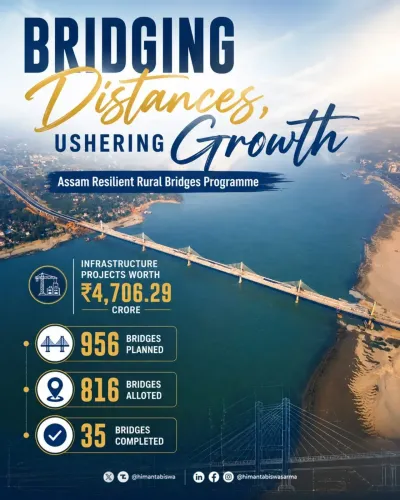
Assam to replace 1,000+ wooden bridges with RCC structures: CM Himanta
Synopsis
Assam is replacing over 1,000 wooden and dilapidated bridges with all-weather RCC structures — a programme Chief Minister Himanta Biswa Sarma says will cut seasonal isolation in flood-prone districts and get welfare schemes to the last mile faster. The scale of the drive signals a structural shift in how the state manages monsoon-vulnerable transport infrastructure.
Key Takeaways
Assam CM Himanta Biswa Sarma announced on 14 August that the state will replace more than 1,000 wooden and dilapidated bridges with RCC structures.
The programme targets bridges that become unsafe or impassable during the monsoon season , affecting millions of commuters.
Upgraded bridges are expected to improve movement of ambulances, school vehicles, public transport, and commercial vehicles .
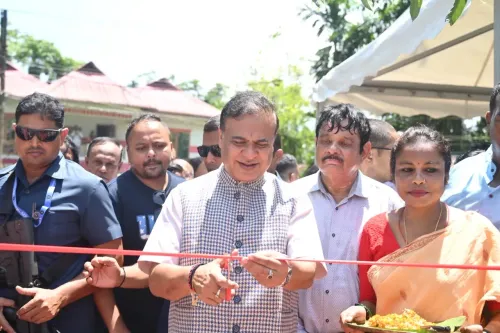
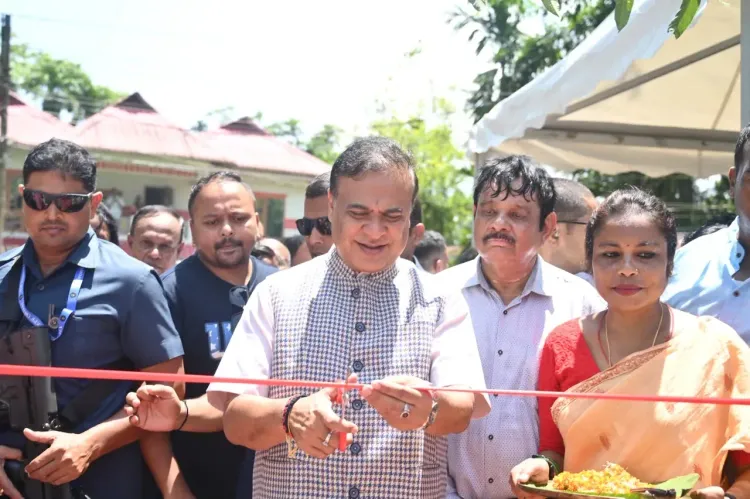
Sarma inaugurated one completed RCC bridge in his own constituency on Friday.
Better connectivity is framed as a direct enabler of faster welfare and government service delivery to remote and rural areas.
The replacement drive is part of a broader state infrastructure push, with priority given to old, damaged, or high-traffic structures.
Assam Chief Minister Himanta Biswa Sarma on Friday, 14 August announced that the state government is undertaking a large-scale programme to replace more than 1,000 wooden and dilapidated bridges with all-weather reinforced cement concrete (RCC) structures, aimed at strengthening connectivity and accelerating the delivery of welfare services across Assam.
What the Programme Covers
The bridge-upgradation drive targets ageing and structurally vulnerable crossings that impede the movement of people and goods, particularly during the monsoon season. Sarma inaugurated one such newly built RCC bridge in his own constituency on Friday, calling it a significant relief for the thousands of daily commuters who depend on that route.
“Across Assam, we are upgrading more than 1,000 wooden and dilapidated bridges into all-weather and safe RCC ones to bolster connectivity and ensure faster welfare delivery to the people,” the Chief Minister told reporters.
Why It Matters for Assam
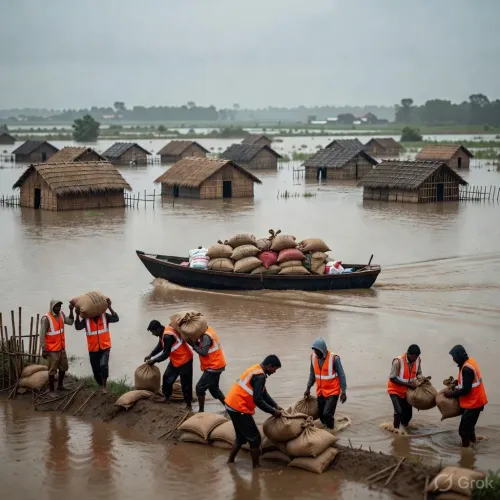
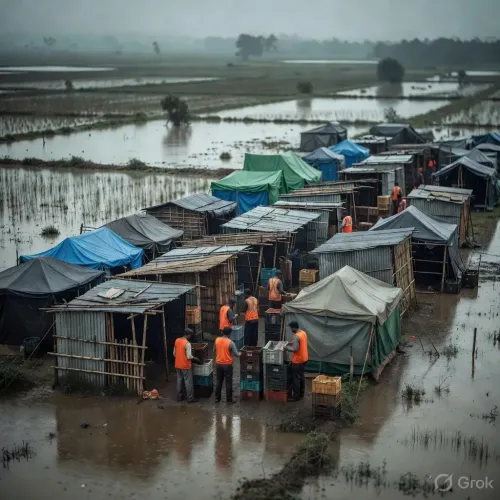
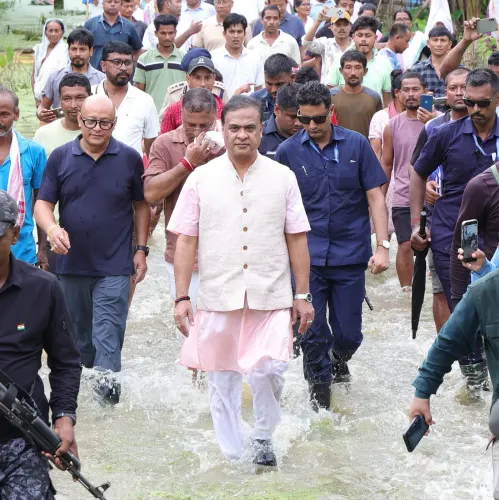
Assam’s geography makes it uniquely vulnerable to infrastructure disruption. Heavy monsoon rainfall, riverine flooding, and bank erosion routinely damage transport links across the state, leaving rural and semi-urban communities cut off for extended periods. The shift from timber to RCC is expected to make these crossings usable year-round, reducing the seasonal isolation that affects millions of residents.
Notably, the upgrade is also designed to improve the passage of ambulances, school vehicles, public transport, and commercial vehicles — categories that are most constrained by weak or narrow wooden bridges. Better road access is directly tied to healthcare outcomes and educational attendance in remote districts.
Impact on Welfare Delivery
State officials argue that connectivity gaps have historically delayed the reach of government schemes to beneficiaries in interior areas. By replacing unsafe bridges, the administration expects last-mile delivery of subsidies, rations, and social services to become more reliable. Sarma has consistently framed rural infrastructure as a prerequisite for economic activity and equitable access to public services.
Broader Infrastructure Push
The bridge programme sits within a wider state-level effort to modernise road and transport networks. Priority is expected to be given to structures that are old, damaged, or located along high-traffic connectivity corridors. The state government has indicated the replacement drive will continue in phases across different districts, though a specific completion timeline has not been announced.
With Assam’s monsoon season placing annual stress on its transport backbone, the transition to RCC bridges represents a structural shift in how the state manages infrastructure resilience going forward.
Point of View
000 bridges — is significant, but the announcement lacks a completion timeline or budget figure, making it difficult to assess execution credibility. Assam’s flood-prone terrain means infrastructure decay is a perennial problem, not a one-term fix; previous connectivity drives have stalled mid-execution when funding cycles shifted. The framing of bridge upgrades as a welfare-delivery mechanism is politically astute, but the real test will be whether remote districts see measurable reductions in seasonal road closures within the next two to three monsoon cycles. Independent monitoring of progress, not just inauguration ceremonies, will determine whether this programme moves the needle.
NationPress
28 Sept 2026
Frequently Asked Questions
What is Assam’s bridge replacement programme announced by CM Himanta Biswa Sarma?
It is a state government initiative to replace more than 1,000 wooden and structurally weak bridges across Assam with all-weather reinforced cement concrete (RCC) structures. The programme aims to improve year-round road connectivity and ensure faster delivery of welfare services to rural and remote communities.
Why is Assam replacing wooden bridges with RCC structures?
Wooden and dilapidated bridges in Assam frequently become unsafe or impassable during heavy monsoon rains, flooding, and river erosion, disrupting movement of people, goods, and emergency vehicles. RCC bridges are designed to withstand adverse weather conditions and provide reliable connectivity throughout the year.
Which vehicles will benefit from the upgraded bridges?
The RCC bridges are expected to improve the passage of ambulances, school vehicles, public transport buses, and commercial vehicles — categories most affected by weight and structural limits on older wooden crossings.
Has any bridge under this programme been completed yet?
Yes. Chief Minister Himanta Biswa Sarma inaugurated one newly constructed RCC bridge in his own constituency on 14 August, describing it as significant relief for thousands of daily commuters on that route.
How does better bridge connectivity help welfare delivery in Assam?
Connectivity gaps have historically delayed the reach of government schemes — including subsidies, rations, and social services — to beneficiaries in interior areas. By replacing unsafe bridges, the state government expects last-mile delivery of welfare programmes to become more consistent and timely.