Assam State Museum rescues flood-hit manuscripts in Upper Assam drive

Synopsis
Assam's floods aren't just displacing people — they're erasing history. A five-day conservation sweep across Sivasagar, Nazira, and Charaideo has uncovered flood-damaged manuscripts dating to 1891, century-old religious texts, and 60 artworks by a noted printmaker. Twelve prints are now in emergency treatment in Guwahati, and the full damage count is still being tallied.
Key Takeaways
The Assam State Museum conducted a conservation field exercise from 8 to 12 August 2025 across Sivasagar , Nazira , and Charaideo .
Nearly 68 manuscripts at Khatpar Satra were surveyed, including the Maharaj Prithu Naat manuscript dating to 1891 .
A century-old Sanchipaat Kirtan Puthi was rescued from a private collection in Charaideo .
Nearly 60 artworks by printmaker Tapan Gogoi were damaged; 12 severely affected prints moved to Guwahati's Conservation Laboratory.
Officials warned against discarding flood-hit manuscripts and advised against using heat or chemicals on wet materials.
The full scale of damage remains unknown as the assessment is ongoing.
The Assam State Museum has launched an extensive conservation drive across Upper Assam to assess and rescue manuscripts, artworks, religious artefacts, and other cultural materials damaged in the recent floods, officials said on Thursday, 13 August 2025. The field exercise, conducted by the Directorate of Museums under the Indigenous and Tribal Faith and Culture Department, covered heritage sites across Sivasagar, Nazira, Charaideo, and adjoining areas between 8 and 12 August.
Scope of the Field Survey
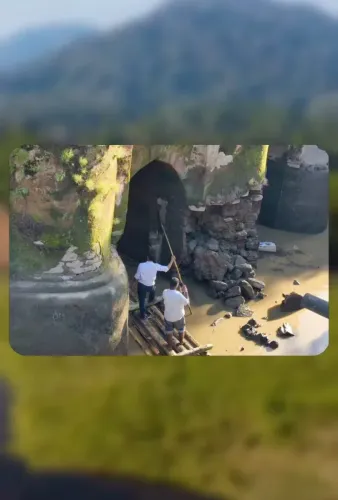
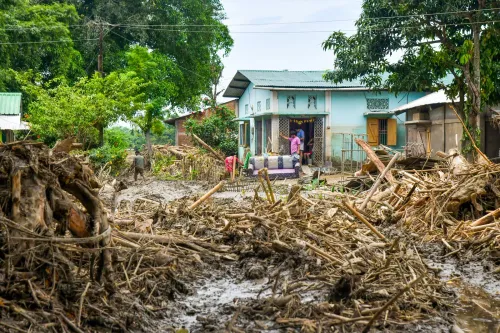
Conservation teams visited museums, satras, monasteries, libraries, educational institutions, and private collections during the five-day exercise. Officials and conservation experts found several heritage materials severely affected by prolonged exposure to floodwater, including paper manuscripts, traditional masks, artworks, and religious objects.
At Chalapathar Buddhist Monastery, water damage was documented in paper-based manuscripts and library collections. Traditional masks at Khatpar Satra in Hahchara, Sivasagar, were also found affected, and similar damage was recorded in manuscript collections at Nazira College and private holdings.
Key Rescues and Emergency Measures
A collection of nearly 68 manuscripts at Khatpar Satra was surveyed, including the Maharaj Prithu Naat manuscript dating to 1891, considered significant for its historical and literary value. At Chalapathar Buddhist Monastery, the team cleaned manuscripts, removed mud and debris, separated original materials from printed copies, and repacked the collections for safer storage.
At Nazira College, controlled air-drying was carried out to remove residual moisture from affected books and manuscripts before materials were handed back to college authorities. A century-old Sanchipaat Kirtan Puthi was rescued from the Manikut ghar of Sri Nitumoni Dutta at Lakuwa in Charaideo, along with several wooden and metal religious artefacts.
Notably, the team also inspected the residence of noted printmaker Tapan Gogoi at Hulangkatoni village in Nazira, where nearly 60 artworks were damaged. Twelve severely affected prints have been shifted to the Assam State Museum's Conservation Laboratory in Guwahati for specialised treatment.
Conservation Guidance Issued
Officials warned that flood-damaged manuscripts should not be discarded, stressing that even severely affected materials may contain valuable historical information and can often be stabilised or digitised. Custodians were advised against forcibly opening wet manuscripts or applying direct sunlight, heaters, hair dryers, bleaching agents, or household chemicals, all of which could cause irreversible damage.
Assessment Ongoing
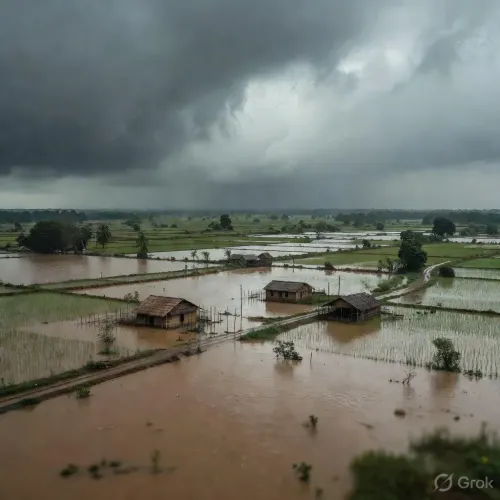
The full scale of damage is yet to be determined, with officials stating the assessment remains ongoing as more collections are documented and stabilised. This conservation response comes amid recurring annual flood cycles in Assam that increasingly threaten the region's irreplaceable cultural heritage, making emergency protocols for heritage institutions a growing priority.
Point of View
Covering satras, monasteries, colleges, and private homes in a single five-day sweep, signals a belated but necessary institutional response. The 1891 Maharaj Prithu Naat manuscript and the century-old Sanchipaat Kirtan Puthi are not replaceable; their survival is contingent on whether emergency conservation capacity can keep pace with recurring flood cycles. The harder question — why permanent flood-proofing infrastructure for heritage institutions in a flood-prone state does not yet exist — remains unanswered.
NationPress
28 Sept 2026
Frequently Asked Questions
What is the Assam State Museum flood conservation drive?
It is a five-day field exercise conducted from 8 to 12 August 2025 by the Directorate of Museums under the Indigenous and Tribal Faith and Culture Department, aimed at assessing and rescuing manuscripts, artworks, and religious artefacts damaged by floods in Upper Assam. Teams covered sites in Sivasagar, Nazira, Charaideo, and adjoining areas.
Which heritage sites were affected by the Assam floods?
Chalapathar Buddhist Monastery, Khatpar Satra in Hahchara (Sivasagar), Nazira College, and private collections — including those of printmaker Tapan Gogoi and Sri Nitumoni Dutta in Charaideo — all reported flood damage to manuscripts, masks, artworks, and religious objects.
What is the significance of the Maharaj Prithu Naat manuscript?
The Maharaj Prithu Naat manuscript, dating to 1891, is part of the nearly 68-manuscript collection at Khatpar Satra surveyed during the drive. It is considered important for its historical and literary significance and was among the materials found damaged by floodwater.
How should flood-damaged manuscripts be handled?
Officials advise against discarding flood-damaged manuscripts, as even severely affected materials may contain valuable historical information and can often be stabilised or digitised. Custodians should avoid forcibly opening wet manuscripts and must not use direct sunlight, heaters, hair dryers, bleaching agents, or household chemicals, which can cause irreversible damage.
Is the damage assessment complete?
No — officials have stated the assessment is ongoing and the full scale of damage will emerge as more collections across Upper Assam are documented and stabilised. Twelve severely damaged artworks have already been moved to the Assam State Museum's Conservation Laboratory in Guwahati for specialised treatment.