Caste-based reservation must last as long as caste discrimination exists: Athawale
Synopsis
Union Minister Ramdas Athawale made a pointed case in Ranchi for keeping SC/ST/OBC reservations intact until caste discrimination is eliminated — and linked their future scope directly to a caste census. His call for an impartial inquiry into the JPSC/JSSC controversy adds a sharp accountability edge to a visit that touched everything from industrial policy to religious harmony.
Key Takeaways
Ramdas Athawale stated on 4 September in Ranchi that SC/ST/OBC reservations must continue as long as caste-based discrimination persists in India.
He called for a caste census to provide accurate demographic data for recalibrating the reservation framework.
Athawale demanded an impartial inquiry into alleged irregularities in JPSC and JSSC examinations, while urging a balanced resolution for both protesting aspirants and already-appointed candidates.
He urged the Jharkhand state government to partner with the Centre to expand industrial development, leveraging the state's mineral wealth.
The minister, a self-described Buddhist and Ambedkarite , called for social harmony across all religious communities in India.
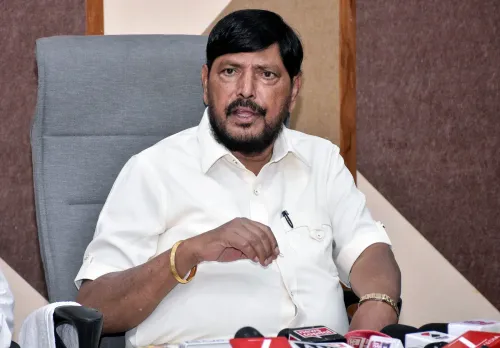
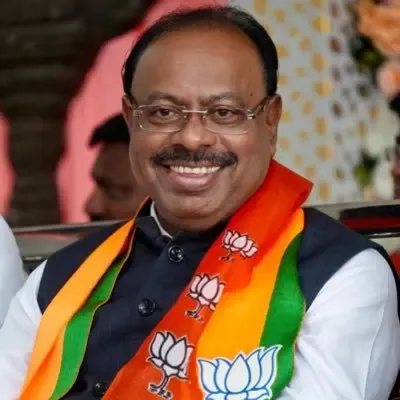
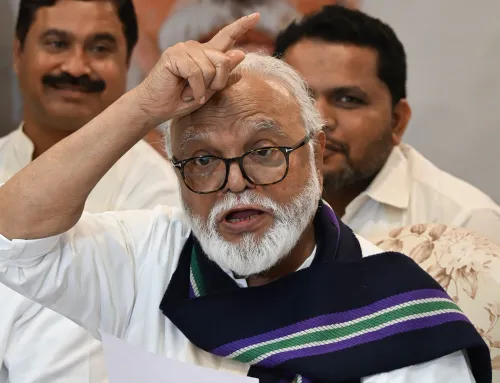
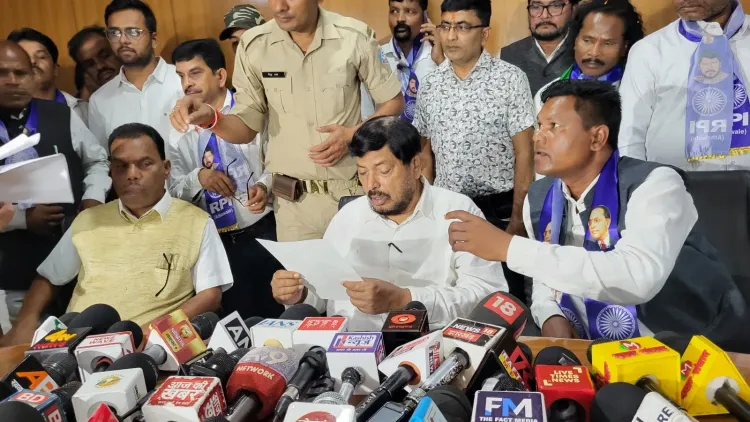
Union Minister of State for Social Justice and Empowerment Ramdas Athawale on Friday, 4 September declared that reservations for Scheduled Castes (SCs), Scheduled Tribes (STs), and Other Backward Classes (OBCs) must remain in place for as long as the caste system and caste-based discrimination continue to exist in India. Speaking at a press conference at the State Guest House in Ranchi, Athawale framed reservation not as a political concession but as a fundamental instrument of social justice and equitable representation.
The Case for Continuing Reservation
Athawale asserted that the reservation framework is indispensable until caste-based inequalities are fully eradicated from Indian society. He argued that the existing system should be periodically reviewed and recalibrated to reflect the actual population of various caste communities, ensuring that each group receives its proportionate share of representation and opportunity.
He also underlined the critical importance of conducting a caste census, stating that accurate demographic data on caste populations would equip policymakers with the evidence needed to make informed decisions and strengthen social representation across institutions.
JPSC and JSSC Examination Controversy
Athawale weighed in on the ongoing controversy surrounding the Jharkhand Public Service Commission (JPSC) and Jharkhand Staff Selection Commission (JSSC) examinations, acknowledging that the concerns raised by aspirants deserve serious consideration. 'If there have been any irregularities in the examination process, an impartial inquiry should be conducted,' he said.
He called for a balanced resolution that addresses the grievances of protesting candidates without causing injustice to those who have already cleared the examinations and secured appointments. He stressed that the long-term answer lies in a recruitment policy built on complete transparency, with clearly defined rules for future appointments — one that simultaneously safeguards existing aspirants and expands employment opportunities in government services.
Industrial Development and Infrastructure in Jharkhand
The Union Minister also highlighted the need to accelerate industrial development in Jharkhand, noting that the state's abundant mineral resources and active mining sector provide significant scope for industrial expansion. He urged the state government to collaborate with the Centre to establish new industries and generate greater local employment.
Athawale pointed to Central government programmes — including the National Highways initiative and the Pradhan Mantri Gram Sadak Yojana — as examples of schemes that have already contributed meaningfully to infrastructure development and benefited residents across the state.
Social Harmony and Religious Inclusion
On the question of social cohesion, Athawale emphasised that all religions must be respected. Describing himself as a Buddhist and a follower of Dr B.R. Ambedkar, he said India's path forward lies in carrying along people of all faiths — including Hindus, Muslims, Sikhs, Christians, Jains, and Buddhists — rather than leaving any community behind.
His remarks in Ranchi come at a time when debates around caste census, reservation reform, and competitive examination integrity are intensifying ahead of state assembly elections in Jharkhand, making the minister's intervention politically as well as socially significant.
Point of View
Implicitly acknowledging that the current framework may not reflect ground realities. The demand for a caste census aligns him, at least rhetorically, with Opposition voices on this issue, which is a quiet but significant signal. On the JPSC-JSSC controversy, his call for an impartial inquiry without naming the state government directly is a careful hedge — firm enough to resonate with aggrieved aspirants, cautious enough not to embarrass an ally.
NationPress
19 Oct 2026
Frequently Asked Questions
What did Ramdas Athawale say about caste-based reservation?
Athawale stated that reservations for SCs, STs, and OBCs must continue for as long as the caste system and caste-based discrimination exist in India. He described reservation as a matter of social justice and said it remains essential until caste-based inequalities are fully eradicated.
Why did Athawale call for a caste census?
He argued that accurate data on caste populations is necessary for policymakers to make informed decisions and ensure communities receive their proportionate share of representation and opportunities. Without such data, he suggested the reservation framework cannot be effectively reviewed or recalibrated.
What did Athawale say about the JPSC and JSSC controversy in Jharkhand?
Athawale said the concerns of examination aspirants must be taken seriously and called for an impartial inquiry if irregularities are confirmed. He also urged a balanced resolution that does not penalise candidates who have already been appointed through the process.
What is Athawale's position on industrial development in Jharkhand?
He highlighted Jharkhand's mineral wealth and mining activity as a strong foundation for industrial expansion, and urged the state government to work with the Centre to establish new industries and create more local employment opportunities.
How does Athawale's call for a caste census relate to the broader national debate?
The demand for a caste census has gained momentum across the political spectrum, with the Opposition making it a central campaign issue. Athawale's endorsement from within the ruling coalition adds weight to the demand, signalling that the debate over data-driven reservation reform is no longer confined to one side of the aisle.