Australia expands PBS subsidies for cystic fibrosis, cancer, thyroid eye disease
Synopsis
From 1 November, Australian children as young as six with cystic fibrosis can access Trikafta in granule form at a fraction of its AU$20,300-per-prescription price — one of four PBS changes that together will reach an estimated 3,300 patients annually. The expansion is part of 511 new and amended PBS listings since July 2022, signalling a sustained government push to make specialty medicines affordable.
Key Takeaways
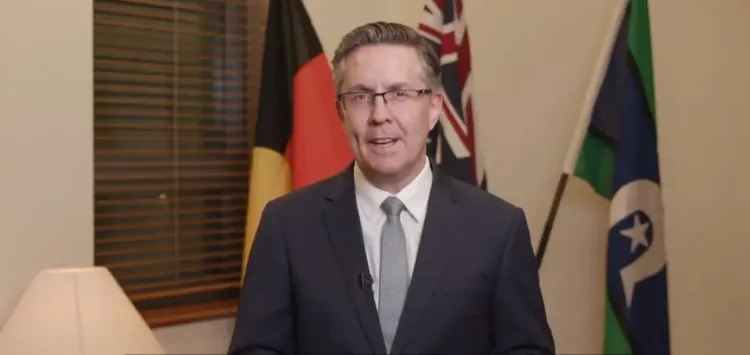
Australia's PBS expanded subsidised access to four medicines effective 1 November 2026 , announced by Health Minister Mark Butler .
Trikafta granules are now listed for children aged 6–11 with cystic fibrosis weighing under 30 kg ; unsubsidised cost exceeds AU$20,300 per prescription.
Tepezza added for active, moderate-to-severe thyroid eye disease, benefiting an estimated 310 Australians per year.
Adcetris expanded as a first-line treatment for advanced CD30-positive classical Hodgkin lymphoma , benefiting around 370 Australians annually.
Repatha listing amended to allow larger quantities under the 60-day prescription initiative for high-cholesterol patients.
The government has approved 511 new and amended PBS listings since July 2022 .
The Australian government has broadened subsidised access to medicines for patients with cystic fibrosis, blood cancer, and thyroid eye disease under the Pharmaceutical Benefits Scheme (PBS), with the changes taking effect from 1 November 2026. Health Minister Mark Butler announced the expanded listings, which are expected to benefit an estimated 3,300 Australians annually across the three conditions.
Cystic Fibrosis: New Granule Form for Young Children
Children aged six to eleven with cystic fibrosis who weigh less than 30 kg will now be eligible for a granule formulation of Trikafta, a medicine that targets the underlying genetic cause of the disease rather than just its symptoms. The granule form is specifically designed for children who struggle to swallow tablets, addressing a significant treatment gap in younger patients.
Without PBS subsidies, the treatment would cost patients more than AU$20,300 (approximately US$14,200) per prescription. Under the PBS, eligible patients pay a maximum of AU$25 per prescription, or AU$7.70 for concession card holders — a dramatic reduction in out-of-pocket costs.
Blood Cancer and Thyroid Eye Disease Listings
The government has added Tepezza to the PBS as a treatment for active, moderate-to-severe thyroid eye disease, with around 310 Australians expected to benefit each year. Thyroid eye disease is an autoimmune condition that can cause painful swelling and, in severe cases, vision loss.
Subsidised access to Adcetris has also been expanded, providing a new first-line treatment option for patients with advanced CD30-positive classical Hodgkin lymphoma — a type of blood cancer — benefiting an estimated 370 Australians annually. The expansion gives oncologists an additional frontline tool for a condition that primarily affects younger adults.
Cholesterol Medicine and 60-Day Prescriptions
The PBS listing for Repatha, used to manage high cholesterol, has been amended to allow eligible patients to obtain larger quantities under the government's 60-day prescription initiative. The change reduces the frequency of pharmacy visits and lowers overall costs for patients on long-term cholesterol management.
Sunscreen Regulation Reform Also in Focus
Separately, Australia's Therapeutic Goods Administration (TGA) is developing reforms to strengthen sunscreen regulation, including tightened testing requirements, quality standards for specific ingredients, and restrictions on the SPF claims cosmetic sunscreens can make. The proposed reforms follow a public consultation held from March to May that drew nearly 120 responses from industry, health professionals, consumer groups, and academic stakeholders.
The TGA noted that Australia has the highest incidence of skin cancer in the world, and that the primary objective of sunscreen regulation is to ensure product quality, safety, and efficacy in protecting consumers from harmful ultraviolet radiation.
Cumulative Scale of PBS Expansion
The government said it has approved additional funding for 511 new and amended PBS listings since July 2022 — a figure that underscores the pace of pharmaceutical subsidisation under the current administration. The latest round of listings continues a pattern of targeting high-cost specialty medicines where out-of-pocket expenses would otherwise be prohibitive for patients. How access translates into improved health outcomes will be closely watched by clinicians and patient advocates in the months ahead.
Point of View
But the cumulative '511 listings since 2022' figure deserves scrutiny — volume alone does not measure whether the highest-burden, hardest-to-reach patients are actually being covered. The Trikafta granule listing is a genuine access milestone for young children, yet cystic fibrosis advocates have long pointed out that paediatric formulations often lag adult ones by years. On sunscreen regulation, the TGA's reform proposals are welcome given Australia's world-leading skin cancer incidence, but the gap between public consultation and enforceable standards has historically been wide — the pace of implementation will matter more than the intent.
NationPress
1 Nov 2026
Frequently Asked Questions
What PBS changes came into effect in Australia on 1 November 2026?
Four key changes took effect: Trikafta granules were listed for children aged 6–11 with cystic fibrosis weighing under 30 kg; Tepezza was added for thyroid eye disease; Adcetris was expanded as a first-line blood cancer treatment; and the Repatha listing was amended to allow 60-day prescriptions for high-cholesterol patients.
How much does Trikafta cost without PBS subsidies in Australia?
Without PBS subsidies, Trikafta can cost more than AU$20,300 (approximately US$14,200) per prescription. Under the PBS, eligible patients pay a maximum of AU$25 per prescription, or AU$7.70 for concession card holders.
Who will benefit from the new Tepezza and Adcetris listings?
Around 310 Australians with active, moderate-to-severe thyroid eye disease are expected to benefit from the Tepezza listing annually. The expanded Adcetris listing is estimated to benefit around 370 Australians each year with advanced CD30-positive classical Hodgkin lymphoma.
What is the 60-day prescription initiative and how does it affect Repatha patients?
Australia's 60-day prescription initiative allows eligible patients to obtain larger quantities of certain medicines in a single prescription, reducing how often they need to visit a pharmacy. The amendment to Repatha's PBS listing means high-cholesterol patients can now access the medicine under this initiative, lowering costs and inconvenience.
Why is Australia also reforming sunscreen regulation?
Australia has the highest incidence of skin cancer in the world, prompting the Therapeutic Goods Administration (TGA) to propose reforms that strengthen sunscreen testing, set quality standards for specific ingredients, and restrict SPF claims on cosmetic sunscreens. The reforms follow a public consultation that received nearly 120 responses from industry, health professionals, and consumer groups.