Affordable medicines: Jan Aushadhi, AMRIT schemes cut prices by up to 80%

Synopsis
India's medicine affordability push goes beyond price caps — Jan Aushadhi Kendras are selling generics at up to 80% below branded rates, AMRIT stores cut cancer and cardiac drug costs by half, and NHM's Free Drugs Initiative covers PHCs to district hospitals at zero cost. The government's multi-scheme framework, detailed in Parliament on 7 August, shows how layered the policy architecture has become — and how much depends on implementation at the last mile.
Key Takeaways
Jan Aushadhi Kendras (JAKs) under PMBJP offer medicines at 50–80% below branded drug prices.
AMRIT Pharmacy stores provide cancer, cardiovascular, and other medicines at up to 50% discount on market rates.
Under the Free Drugs Service Initiative (NHM) , essential medicines are dispensed free at public facilities from PHCs to district hospitals .
Drug manufacturing and sales are regulated under the Drugs and Cosmetics Act, 1940 , with licences issued by State Licensing Authorities .
Scheduled medicine ceiling prices are revised annually on 1 April based on the Wholesale Price Index (WPI) under DPCO 2013 .
The government is actively enabling access to affordable essential medicines through multiple schemes, Minister of State for Chemicals and Fertilisers Anupriya Patel informed Lok Sabha on 7 August in a written reply. Beyond price regulation, initiatives such as the Pradhan Mantri Bhartiya Janaushadhi Pariyojana (PMBJP) and the AMRIT scheme are providing medicines at significantly reduced rates to citizens across India.
Jan Aushadhi Kendras: Up to 80% Cheaper than Branded Drugs
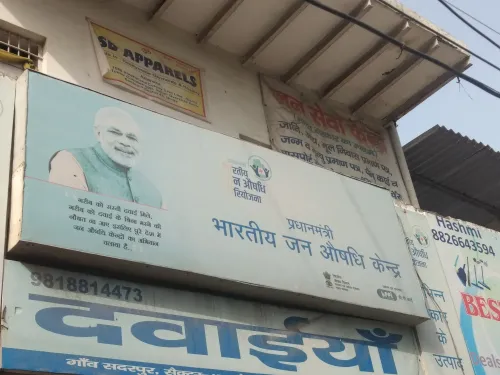
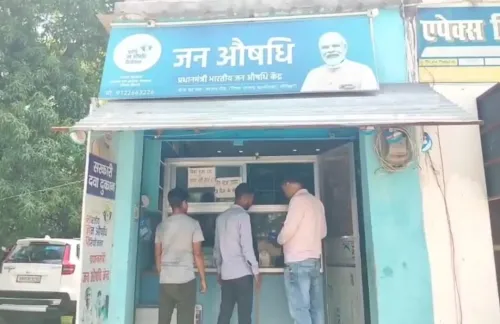
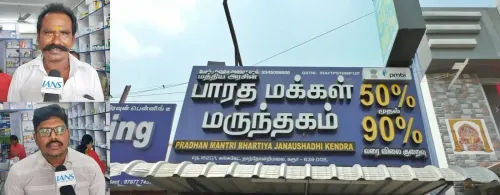
Under the PMBJP, quality generic medicines are dispensed through Jan Aushadhi Kendras (JAKs) at prices typically 50–80% lower than equivalent branded medicines. The scheme directly targets affordability at the point of purchase, offering a wide range of essential drugs to ordinary consumers who might otherwise rely on costlier branded alternatives.
AMRIT Stores and Free Drug Initiative
The AMRIT (Affordable Medicines and Reliable Implants for Treatment) initiative, run by the Department of Health and Family Welfare, provides medicines for cancer, cardiovascular, and other serious diseases — alongside implants, surgical disposables, and consumables — at an average discount of up to 50% on market rates. These are dispensed through AMRIT Pharmacy stores established in hospitals and healthcare institutions across the country.
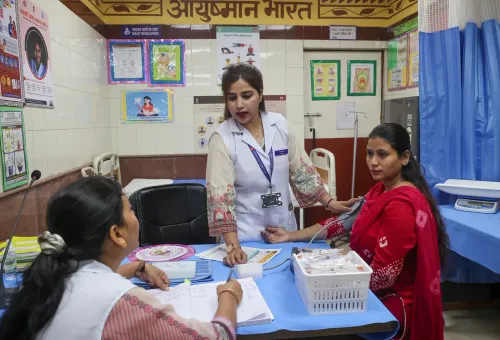
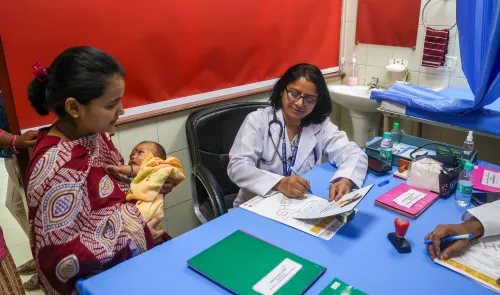
Separately, under the Free Drugs Service Initiative of the National Health Mission (NHM), essential medicines recommended under the Indian Public Health Standards (IPHS) are made available free of charge at public health facilities — from Primary Health Centres (PHCs) to district hospitals nationwide.
How Drug Manufacturing and Sales Are Regulated
The manufacture, sale, and distribution of drugs is governed by the Drugs and Cosmetics Act, 1940 and the associated Rules, 1945, through a licensing and inspection framework. Licences are granted by State Licensing Authorities (SLAs) appointed by respective state governments.
According to the minister, SLAs conduct periodic inspections — or risk-based checks — of licensed premises to verify compliance. 'State Licensing Authorities carry out periodic inspections or as per risk-based approach from time to time of the licensed premises for verification of compliance with the provisions of the Act and rules thereunder. Actions such as suspension and cancellation of licences, prosecutions in the court of law are taken against the erring firms by the State Licensing Authorities,' Patel stated in her written reply.
Price Regulation Through DPCO 2013
Drug prices are controlled under the Drugs (Prices Control) Order 2013 (DPCO, 2013). Ceiling prices for scheduled medicines are revised annually, based on the Wholesale Price Index (WPI) for all commodities from the preceding calendar year. These revised prices are notified by the government on 1 April each year, ensuring a structured annual update to keep pricing in line with market conditions.
Together, these measures represent a multi-layered policy architecture — combining price caps, subsidised generic outlets, hospital-based discount pharmacies, and free public-facility dispensing — to address medicine affordability at different levels of the healthcare system. How effectively these schemes reach the most vulnerable populations, particularly in rural and remote areas, will remain the key measure of their success.
Point of View
Subsidised generics via Jan Aushadhi, and free dispensing through NHM. The structural question, however, is reach. Jan Aushadhi Kendras are concentrated in urban and semi-urban areas, and the Free Drugs Initiative's quality and availability vary sharply by state. Informing Parliament of these schemes is not the same as ensuring a patient in rural Jharkhand or Manipur can actually access them. The policy architecture is sound; the last-mile execution is where accountability must be demanded.
NationPress
22 Sept 2026
Frequently Asked Questions
What is the Pradhan Mantri Bhartiya Janaushadhi Pariyojana (PMBJP)?
PMBJP is a government scheme that provides quality generic medicines through Jan Aushadhi Kendras at prices typically 50–80% lower than branded equivalents. It aims to make essential medicines affordable for ordinary citizens across India.
What is the AMRIT scheme and how does it help patients?
The AMRIT (Affordable Medicines and Reliable Implants for Treatment) initiative, run by the Department of Health and Family Welfare, offers medicines for cancer, cardiovascular diseases, implants, and surgical consumables at up to 50% discount on market rates through AMRIT Pharmacy stores in hospitals and healthcare institutions.
Are any medicines available free of cost at government hospitals?
Yes. Under the Free Drugs Service Initiative of the National Health Mission, essential medicines listed under the Indian Public Health Standards are dispensed free of charge at public health facilities ranging from Primary Health Centres to district hospitals across India.
How are drug prices regulated in India?
Drug prices are controlled under the Drugs (Prices Control) Order 2013 (DPCO, 2013). Ceiling prices for scheduled medicines are revised every year on 1 April, based on the Wholesale Price Index for the preceding calendar year, and are notified by the government.
Who enforces drug manufacturing and quality standards in India?
State Licensing Authorities (SLAs), appointed by respective state governments, issue licences and conduct periodic or risk-based inspections of drug manufacturing and sales premises. They can suspend or cancel licences and initiate prosecutions against non-compliant firms under the Drugs and Cosmetics Act, 1940.