Jan Aushadhi Kendras surge to 19,200 outlets from 84 in 2014: Govt
Synopsis
From 84 outlets in 2014 to over 19,200 in 2026, India's Jan Aushadhi network has quietly become one of the world's largest generic medicine retail programmes — saving citizens more than ₹40,000 crore. Combined with PLI-driven pharma investments exceeding ₹42,000 crore, the government is building a full-stack domestic pharmaceutical ecosystem.
Key Takeaways
Jan Aushadhi Kendras have grown from 84 in 2014 to over 19,200 in 2026 under the PMBJP .
Citizens have collectively saved more than ₹40,000 crore on healthcare expenses through the scheme.
Uttar Pradesh leads with 4,042 Kendras ; the North East grew from 1 to 417 outlets.
The PLI Scheme for Pharmaceuticals has attracted ₹42,694.89 crore in investments and generated over 1.13 lakh jobs .
Bulk Drug Parks are being set up in Andhra Pradesh , Gujarat , and Himachal Pradesh to cut import dependence.
Medical Device Parks are under development in Tamil Nadu , Uttar Pradesh , and Madhya Pradesh .
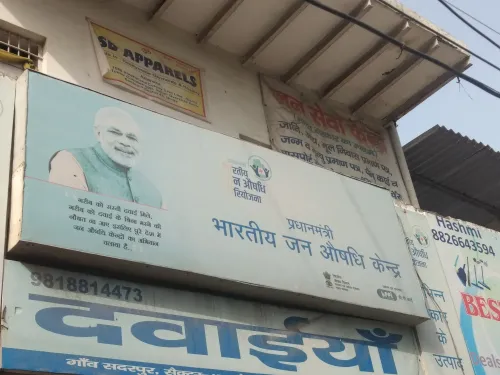
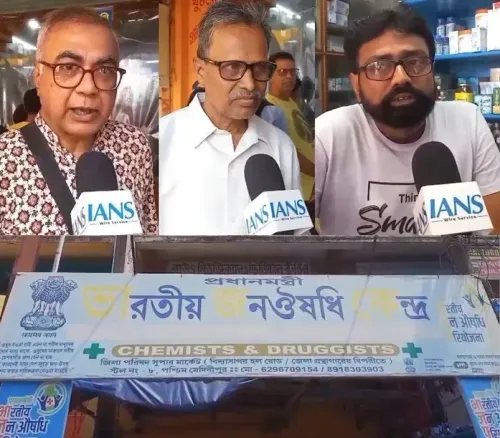
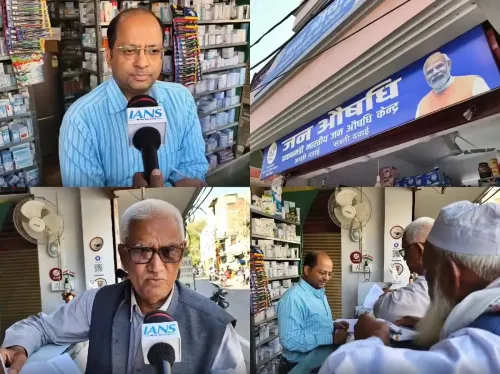
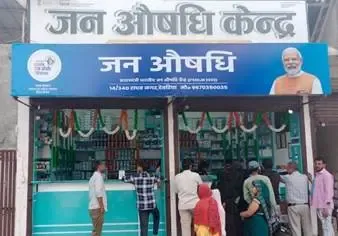
India's network of Jan Aushadhi Kendras (JAKs) has expanded from a mere 84 functional outlets in 2014 to over 19,200 across the country in 2026, the government announced on Wednesday, 17 June 2026. The dramatic scale-up, driven by the Pradhan Mantri Bhartiya Janaushadhi Pariyojana (PMBJP), has made quality generic medicines available at substantially lower prices to millions of citizens nationwide.
Scale of Expansion
The Ministry of Chemicals and Fertilisers described the PMBJP's growth as one of the Department of Pharmaceuticals' most consequential achievements over the past twelve years. The scheme has penetrated remote and underserved geographies, with the eight North Eastern states collectively growing from just one JAK in 2014 to 417 in 2026 — a near-complete transformation in access.
Uttar Pradesh leads all states with 4,042 Kendras, followed by Kerala (1,791), Karnataka (1,665), Tamil Nadu (1,591), Bihar (1,183), West Bengal (937), Gujarat (918), Odisha (852), Maharashtra (741), and Rajasthan (718), according to the ministry.
Several states with historically limited access have recorded sharp gains. New Delhi grew from 4 Kendras in 2014 to 645 in 2026; Jammu and Kashmir from 6 to 358; Punjab from 20 to 556; Himachal Pradesh from 8 to 76; and Tripura from 1 to 33.
Savings for Citizens
By offering generic equivalents at prices significantly below branded alternatives, the PMBJP has helped citizens collectively save more than ₹40,000 crore on healthcare expenditure, according to the government. This positions the scheme as one of the largest out-of-pocket relief interventions in India's public health architecture.
PLI Push for Domestic Pharma Manufacturing
Alongside the retail access drive, the government launched Production Linked Incentive (PLI) Schemes for both pharmaceuticals and medical devices in 2020-21, aimed at reducing import dependence and strengthening domestic manufacturing capacity.
The PLI Scheme for Pharmaceuticals has attracted cumulative investments of ₹42,694.89 crore and generated cumulative sales of ₹3,43,215.27 crore, while creating employment for over 1.13 lakh persons. The parallel PLI Scheme for Medical Devices has drawn investments of ₹1,136.23 crore, generated sales of ₹29,402.93 crore, and created 6,822 jobs, contributing to self-reliance in the MedTech sector.
Bulk Drug Parks and Medical Device Parks
To further reduce dependence on imported active pharmaceutical ingredients, three Bulk Drug Parks are being established in Andhra Pradesh, Gujarat, and Himachal Pradesh under the Bulk Drug Parks Scheme. Additionally, under the Scheme for Promotion of Medical Device Parks — launched on 21 July 2020 — parks are being developed in Tamil Nadu, Uttar Pradesh, and Madhya Pradesh.
Together, these initiatives signal a concerted push to build an end-to-end domestic pharmaceutical ecosystem — from bulk drug production to last-mile generic medicine delivery — with implications for both healthcare affordability and industrial self-sufficiency.
Point of View
But the real metric — medicine quality consistency and actual patient uptake across all 19,200 outlets — remains largely self-reported by the government. The ₹40,000 crore savings figure is cumulative and unverified by an independent body, which limits its analytical value. More telling is the North East's jump from 1 to 417 Kendras: if those outlets are genuinely stocked and functional, it represents a rare last-mile win in Indian public health. The PLI pharmaceutical data, meanwhile, suggests industrial momentum, but employment creation of 1.13 lakh across a ₹3.43 lakh crore sales base is a thin jobs-to-output ratio — a structural question the government has not addressed.
NationPress
19 Sept 2026
Frequently Asked Questions
What is the Jan Aushadhi Kendra scheme and how has it grown?
Jan Aushadhi Kendras are government-backed retail outlets that sell quality generic medicines at affordable prices under the Pradhan Mantri Bhartiya Janaushadhi Pariyojana (PMBJP). The network has expanded from 84 outlets in 2014 to over 19,200 across India in 2026, making it one of the country's largest generic medicine access programmes.
How much have citizens saved through Jan Aushadhi Kendras?
According to the government, the PMBJP has helped citizens save more than ₹40,000 crore on healthcare expenses by providing generic medicines at substantially lower prices than branded alternatives.
Which state has the most Jan Aushadhi Kendras?
Uttar Pradesh leads the country with 4,042 Jan Aushadhi Kendras, followed by Kerala (1,791), Karnataka (1,665), and Tamil Nadu (1,591), according to the Ministry of Chemicals and Fertilisers.
What is the PLI Scheme for Pharmaceuticals and what has it achieved?
The Production Linked Incentive (PLI) Scheme for Pharmaceuticals, launched in 2020-21, is designed to boost domestic drug manufacturing and reduce import dependence. It has attracted cumulative investments of ₹42,694.89 crore, generated sales of ₹3,43,215.27 crore, and created employment for over 1.13 lakh persons.
Where are the new Bulk Drug Parks and Medical Device Parks being set up?
Three Bulk Drug Parks are being established in Andhra Pradesh, Gujarat, and Himachal Pradesh under the Bulk Drug Parks Scheme. Medical Device Parks are being developed in Tamil Nadu, Uttar Pradesh, and Madhya Pradesh under a scheme launched on 21 July 2020.