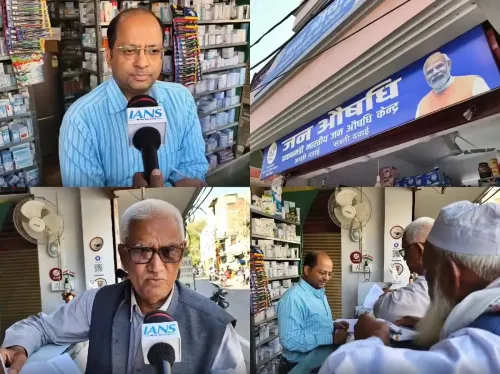
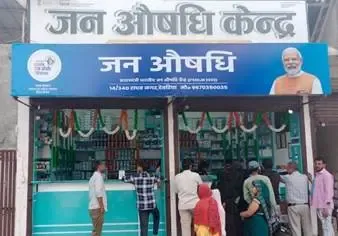
How Many Jan Aushadhi Kendras Have Opened Across India by December 31?
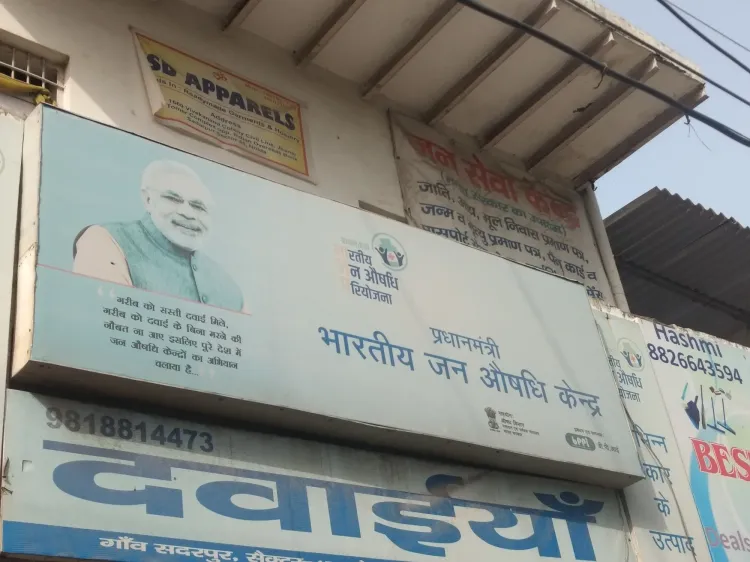
Synopsis
As of December 31, India has witnessed the establishment of 17,990 Jan Aushadhi Kendras, aiming to improve access to affordable medicines. This initiative, which began in 2014, has made a significant impact on healthcare accessibility across the nation.
Key Takeaways
17,990 Jan Aushadhi Kendras launched across India.
Initiative began in 2014 with only 80 centres.
Focus on providing affordable generic medicines .
Covering essential therapeutic categories.
Strict quality assurance measures in place.
New Delhi, Feb 6 (NationPress) As of December 31, a remarkable 17,990 Jan Aushadhi Kendras (JAKs) have been inaugurated throughout the nation, as reported by Union Health Minister JP Nadda in Parliament on Friday.
In his written statement to the Lok Sabha, Nadda disclosed the number of JAKs established by state and district.
“Under the Pradhan Mantri Bhartiya Janaushadhi Pariyojana (PMBJP) initiative, a total of 17,990 Jan Aushadhi Kendras (JAKs) have been launched across the country by December 31, 2025, including 1,058 JAKs in the state of Bihar,” he stated.
The PMBJP, a flagship initiative, commenced in 2014 with a mere 80 centres.
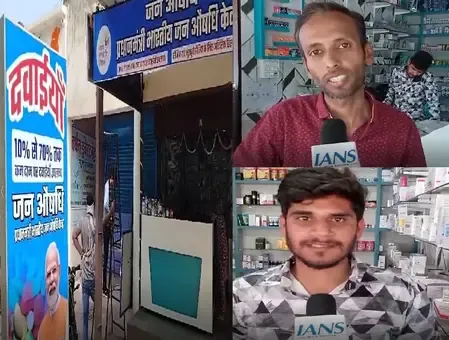
The JAKs aim to make essential medications more accessible and to alleviate the financial burden on individuals. These government-run pharmacies supply generic medications that are priced lower but match the quality and effectiveness of high-end branded drugs.
Nadda further mentioned that the product lineup under the Pradhan Mantri Bhartiya Janaushadhi Yojna includes 2,110 medicines and 315 surgical and medical consumables, covering major therapeutic categories such as cardiovascular, anti-cancer, anti-diabetic, anti-infective, anti-allergic, and gastro-intestinal medications, along with nutraceuticals like protein powders.
Jan Aushadhi Kendras are established through online applications from various entities, including individual entrepreneurs, NGOs, trusts, and private companies.
To date, 767 districts have been included in the scheme, with 38 districts in Bihar, according to the Minister.
The government has also implemented stringent measures to guarantee continuous inspection, testing, and standardization of medicines at JAKs.
Only plants that comply with WHO Good Manufacturing Practices (GMP) and are certified by the Central Drugs Standard Control Organisation (CDSCO) after direct inspections are authorized to supply to these centres.
Distribution occurs only after 100 percent pre-testing of all medicine batches.
Samples are analyzed exclusively at labs that are accredited and regularly inspected by the National Accreditation Board for Testing and Calibration Laboratories (NABL), and are also evaluated for Good Laboratory Practices (GLP) compliance by PMBI.
Point of View
The establishment of Jan Aushadhi Kendras represents a crucial step towards enhancing healthcare accessibility across India. The government's commitment to providing affordable medicines through this initiative reflects a significant shift in policy, aimed at reducing out-of-pocket expenses for citizens. As we move forward, it is essential to ensure the quality and availability of these medications so that they can continue to serve the public effectively.
NationPress
15 Sept 2026
Frequently Asked Questions
What are Jan Aushadhi Kendras?
Jan Aushadhi Kendras are government-run pharmacies that provide affordable generic medicines to the public, aiming to make essential healthcare accessible.
How many Jan Aushadhi Kendras have been opened?
As of December 31, 2025, a total of 17,990 Jan Aushadhi Kendras have been opened across India.
What types of medicines are available at JAKs?
JAKs offer a wide range of medicines, including cardiovascular, anti-cancer, anti-diabetic, and surgical supplies, among others.
Who can open a Jan Aushadhi Kendra?
Individual entrepreneurs, NGOs, trusts, and private companies can apply to open a Jan Aushadhi Kendra.
How does the government ensure the quality of medicines?
The government conducts inspections and requires that only WHO GMP compliant plants supply medicines to JAKs, ensuring high-quality standards.