Medicinal Costs Surge in Rawalpindi: Price Increases of Up to 500%
Synopsis
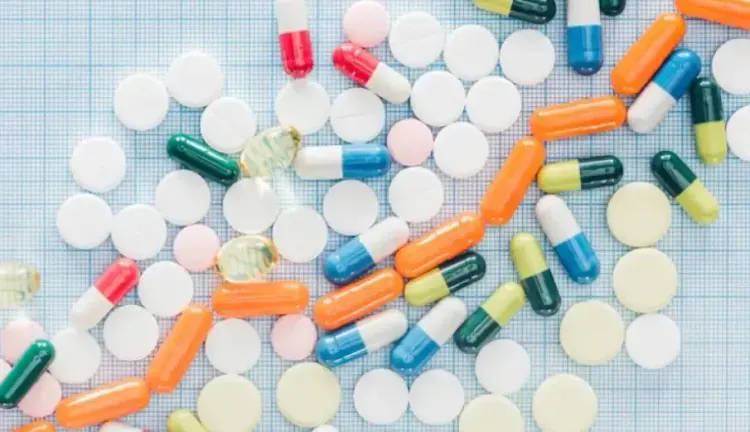
In Rawalpindi, Pakistan, medication prices have skyrocketed, with essential medicines seeing increases ranging from 50% to 500%. This alarming trend has raised concerns about accessibility for low-income patients, prompting calls for government intervention.
Key Takeaways
Medicine prices in Rawalpindi have soared by up to 500% .
Essential medications for diabetes and hypertension are among those affected.
The government faces pressure to intervene for low-income patients.
Average LPG prices have also increased significantly.
Global conflicts are impacting local markets and supply chains.
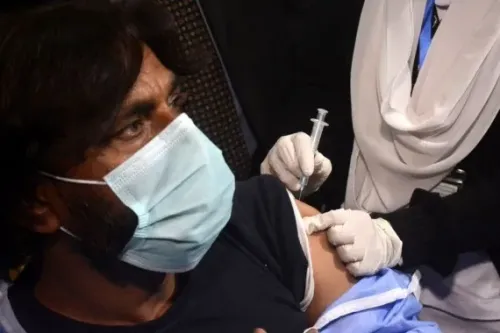
Islamabad, March 29 (NationPress) The cost of medications has soared in the open market, particularly in the pharmaceutical center of Bohor Bazaar, located in Rawalpindi, Pakistan. Local news outlets reported that price increases range from 50% to a staggering 500% on Sunday.
Essential medications, including those for diabetes, hypertension, antibiotics, gastrointestinal issues, and cough remedies, have seen significant price hikes. For instance, the cost of an insulin injection device has surged from PKR 2,200 to PKR 4,720, as reported by The Express Tribune.
Vitamin B supplements now cost between PKR 500 and PKR 600, while indigestion and acidity medications have risen from PKR 530 to PKR 620. Additionally, the price of nutritional supplements and vitamin tablets has increased from PKR 480 to PKR 510.
Thyroid medication has jumped in price from PKR 85 to PKR 290, and a common typhoid treatment has seen its cost rise from PKR 805 to PKR 930. Numerous other life-saving medications have also become more expensive.
Critics have labeled these increases as 'unbearable', arguing that the price of insulin devices, now ranging from PKR 2,000 to PKR 5,000, is prohibitive for low-income patients seeking essential treatments. They are calling on the government to take action.
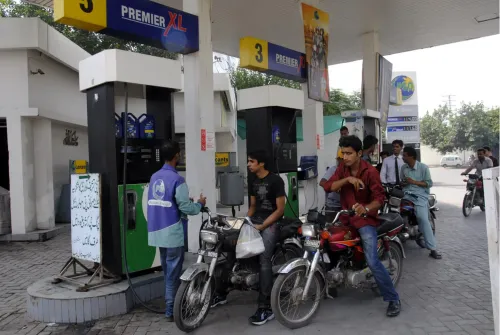
In another concerning trend, the average price of liquefied petroleum gas (LPG) in Pakistan has climbed to PKR 3,900-5,135 for an 11.67 kg cylinder, up from PKR 3,150-3,968, largely due to ongoing conflicts in West Asia.
Data from the Sensitive Price Index (SPI), published by the Pakistan Bureau of Statistics (PBS) for the week ending March 26, indicates that most significant price increases have occurred across various cities in Punjab, according to another leading daily, Dawn.
As gas prices escalate, fares for LPG-powered private transportation have also risen, compelling additional strain on low- and middle-income commuters who rely on LPG-driven rickshaws, buses, and minibuses.
Amid a surge in global LPG prices due to geopolitical tensions, gas supplies from Iran, previously at levels between 10,000 and 12,000 tonnes daily, have diminished because of the Eid and Nowroz holidays.
M Ali Haider, the Convenor of the Standing Committee on LPG of the Federation of Pakistan Chambers of Commerce and Industry, noted that three vessels carrying approximately 20,000 tonnes of imported LPG arrived in Pakistan during March.
He explained that the nation requires about 2 million tonnes of LPG annually, of which 1.2 million tonnes are imported, while local refineries produce 800,000 tonnes.
Point of View
It's crucial to acknowledge the alarming rise in medication prices in Rawalpindi. Such increases pose serious challenges to public health, particularly for low-income patients who may not afford essential treatments. The government must act swiftly to address these concerns and ensure access to critical healthcare resources.
NationPress
16 Sept 2026
Frequently Asked Questions
What caused the increase in medicine prices in Rawalpindi?
The rise in medicine prices is attributed to various factors, including supply chain disruptions and increased global prices of raw materials.
How much have insulin devices increased in price?
The price of insulin injection devices has increased from PKR 2,200 to PKR 4,720.
What are the implications for low-income patients?
The significant price hikes may prevent low-income patients from accessing essential medications, raising concerns about public health.
What is the government's response to these price hikes?
Critics are urging the government to intervene and regulate medication prices to ensure accessibility for low-income patients.
How is the LPG price surge related to the medication price increases?
The rise in LPG prices has added to the overall economic pressure on consumers, affecting transportation costs and further straining budgets.