Pakistan Faces Urgent Medicine Crisis as Imports Disrupted: Only 45 Days of Supplies Left

Synopsis
Pakistan's medicine supply is critically low, with only 45 days' worth of essential drugs available due to Middle East conflicts disrupting imports. This alarming situation threatens the health of millions, particularly those with chronic conditions. Urgent action is needed to address this crisis.
Key Takeaways
Serious medicine shortage reported in Pakistan.
Only 45 days of pharmaceutical stock available.
Conflict in the Middle East disrupting imports .
Chronic patients at risk due to potential availability issues .
Call for urgent government action to enhance local production.
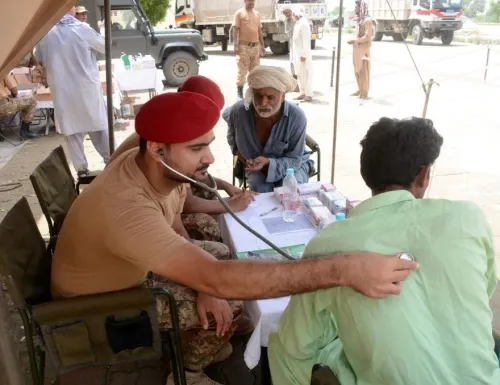
New Delhi, March 13 (NationPress) Pakistan is currently experiencing a significant deficit in vital medications as the present turmoil in the Middle East hampers the import of pharmaceutical raw materials and other essential supplies, as reported by a recent study.
The available inventory of pharmaceutical raw materials in the neighboring country is projected to last for merely about 45 days, as highlighted in The Express Tribune.
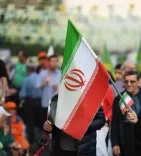
The escalating conflict involving Iran, Israel, and the United States has resulted in the halting of numerous international flights, which in turn is impeding Pakistan's capability to acquire life-saving medications, pharmaceutical components, and infant formula.
The report warns that this situation could have dire implications for ordinary citizens in Pakistan, who are already facing high levels of inflation and costly healthcare.
Individuals suffering from chronic conditions such as cancer, diabetes, and heart ailments may be particularly at risk if these shortages lead to price increases or restricted availability.
“Many of them rely on the public healthcare system in the country,” the report states.
Additionally, infant nutrition is at risk, given that baby formula is predominantly imported, and extended disruptions could significantly diminish supplies, according to the findings.
The report also underlines that Pakistan's reliance on imported pharmaceutical components has long raised concerns among health professionals.
During the COVID-19 pandemic, experts voiced apprehensions regarding the country’s limited capacity to produce active pharmaceutical ingredients locally and emphasized the risks associated with heavy reliance on inexpensive imports.
However, the report indicates that minimal progress has been made in bolstering local manufacturing capabilities, leaving the nation vulnerable to global supply interruptions.
The findings suggest that the current predicament illustrates the dangers of depending on short-term import solutions while neglecting domestic production development.
It calls upon the government to prioritize pharmaceutical self-sufficiency as a national security issue and recommends actions such as offering tax incentives for local production of raw materials, investing in pharmaceutical infrastructure, and establishing emergency stockpiling systems.
The report warns that without implementing these measures, prolonged disruptions in global supply chains could drastically limit access to life-saving medications for millions within the nation.
Point of View
It is imperative to highlight the severe implications of Pakistan's current medicine shortage. This crisis underscores the urgent need for the government to prioritize domestic pharmaceutical production to safeguard public health. The reliance on imports has proven to be a critical vulnerability, necessitating immediate and strategic action.
NationPress
20 Sept 2026
Frequently Asked Questions
What is causing the medicine shortage in Pakistan?
The ongoing conflict in the Middle East has disrupted the import of pharmaceutical raw materials and other critical supplies, leading to a significant shortage of essential medicines in Pakistan.
How long will the current stock of medicines last?
Pakistan's current stock of pharmaceutical raw materials is estimated to last for only about 45 days.
Who is most affected by the medicine shortage?
Patients with chronic illnesses such as cancer, diabetes, and heart disease are particularly vulnerable to the consequences of this shortage.
What actions are being recommended to address the crisis?
The report urges the government to prioritize pharmaceutical self-reliance, including providing tax incentives for local production, investing in infrastructure, and establishing emergency stockpiling mechanisms.
What are the potential consequences of prolonged medicine shortages?
Extended shortages could lead to price spikes and limited access to life-saving medications for millions of people in Pakistan.