Pakistan's Pharmaceutical Sector at Risk Amid Middle East Turmoil
Synopsis
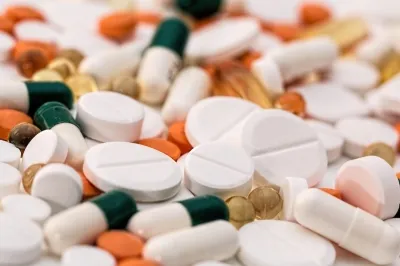
Pakistan's pharmaceutical industry may soon experience critical drug shortages due to ongoing tensions in the Middle East, compounding an already challenging situation with high medical costs. Experts urge immediate action to secure essential medication supply for patients with chronic illnesses.
Key Takeaways
Pakistan's pharmaceutical sector is facing potential drug shortages due to Middle East tensions.
Rising freight and fuel costs are major contributing factors.
Current domestic stocks are estimated to last for about three months.
Urgent measures are needed to secure access to medications for chronic patients.
The risk of black-market activities is increasing amid the crisis.
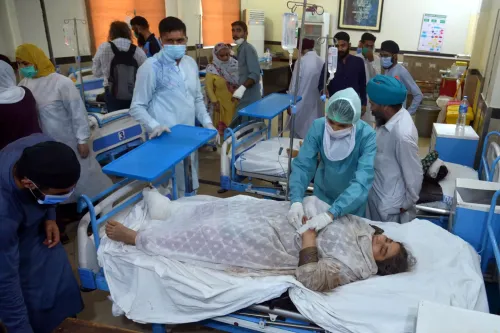
New Delhi, March 19 (NationPress) The pharmaceutical sector in Pakistan is facing the risk of significant shortages of essential medications in the upcoming weeks due to the escalating unrest in the Middle East, according to a recent report. This comes at a time when the costs of medical treatments are already unaffordable for many.
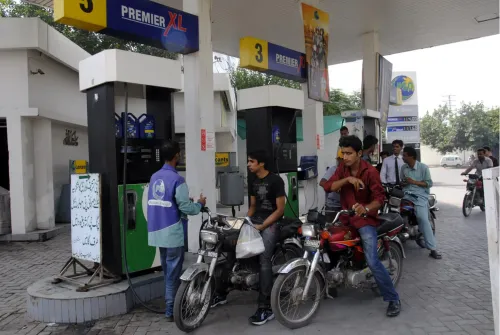
Supply chain disruptions have been triggered by rising freight costs and soaring fuel prices. A health official, who wished to remain anonymous, noted that local manufacturers are maintaining only limited inventories of raw materials due to financial limitations. Therefore, any interruptions in international supply chains could lead to immediate shortages at the local level, as highlighted in a report by Dawn.
The health ministry is reportedly in discussions with the pharmaceutical industry to evaluate stock levels and ensure the availability of critical medicines.
According to the report, this situation has also opened avenues for black-market activities in pharmaceuticals.
Despite reassurances from regulatory authorities that immediate shortages are unlikely, pharmaceutical manufacturers have cautioned that if the conflict persists, manufacturing costs are set to rise, influenced by energy price increases and the depreciation of the Pakistani rupee.
The Drug Regulatory Authority of Pakistan (DRAP) indicated that current domestic stocks could last for approximately three months.
Pakistan is heavily dependent on imported Active Pharmaceutical Ingredients (APIs) and other key raw materials, with a significant portion sourced from Middle Eastern nations.
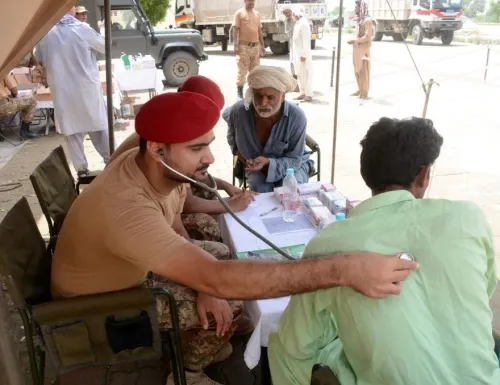
Consultant gastroenterologist and hepatologist Dr. Talal Khurshid has urged health officials to promptly address the looming medication shortages caused by the ongoing crisis in the Middle East. He emphasized the need to guarantee continuous access to medical supplies for patients with chronic conditions.
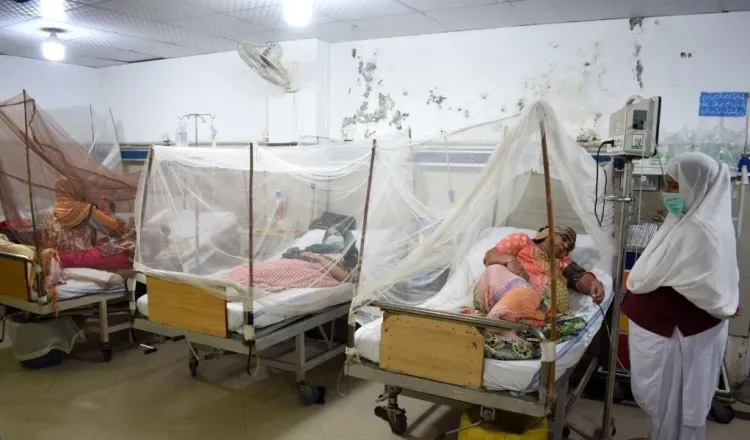
“For individuals suffering from diabetes, hypertension, and chronic liver diseases like cirrhosis, medications are not optional; they are vital for survival,” he stated.
Usman Shaukat, Chairman of the Pakistan Pharmaceutical Manufacturers Association (PPMA North), mentioned that the association is collaborating closely with DRAP to establish alternative supply chains, ensuring that material supply interruptions are avoided.
aar/na
Point of View
It's imperative to highlight the urgent situation facing Pakistan's healthcare system. The potential for drug shortages poses a serious threat to public health, particularly for those with chronic conditions. It is crucial for authorities to take immediate measures to safeguard access to essential medications for all citizens.
NationPress
22 Sept 2026
Frequently Asked Questions
What is causing the potential medicine shortages in Pakistan?
The shortages are primarily due to rising freight costs and fuel prices, exacerbated by the ongoing crisis in the Middle East.
How long can current drug stocks last in Pakistan?
The Drug Regulatory Authority of Pakistan (DRAP) has stated that domestic stocks are sufficient for about three months.
Who is affected by the potential drug shortages?
Patients with chronic diseases, such as diabetes and hypertension, are particularly vulnerable, as their medications are essential for their health.
What steps are being taken to prevent drug shortages?
Health officials are in contact with the pharmaceutical industry to monitor stock levels and are working to establish alternative supply chains.
Is there a risk of black-market activities due to shortages?
Yes, the report indicates that the situation may lead to increased black-market activities for medications.