Fertilizer Crisis: Pakistan's Agriculture Struggles Amid Iran Conflict

Synopsis
As the Gulf conflict escalates, Pakistan faces a critical fertiliser shortage, mainly impacting the vital diammonium phosphate (DAP) supply. This situation threatens agricultural productivity and food security, urging policymakers to rethink import dependencies and bolster local production capabilities.
Key Takeaways
Gulf conflict impacts global fertiliser supply.
Pakistan heavily relies on DAP imports.
Urea production helps mitigate some effects.
Importance of DAP for crop yields cannot be overstated.
Need for policy changes to bolster local fertiliser production.
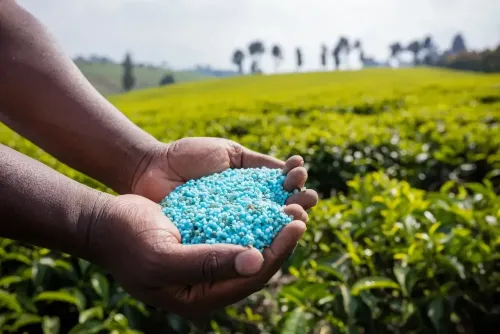
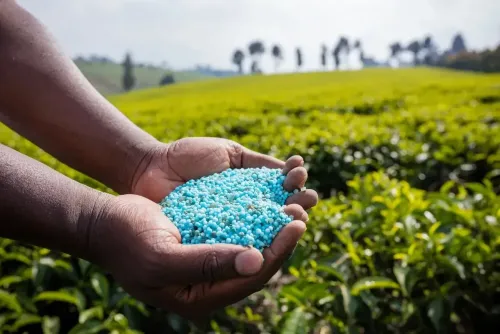
New Delhi, March 26 (NationPress) The ongoing Gulf conflict has once again highlighted the vulnerabilities in Pakistan's agricultural input security, as reported by local media outlets. Although the domestic production of urea has shielded farmers from the worst of the urea crisis, the same cannot be said for diammonium phosphate (DAP), which poses a greater risk due to Pakistan's heavy reliance on imports.
While local urea production has enabled farmers to maintain fertiliser application levels—helping avert a drop in agricultural output and a potential rise in food prices—the situation with DAP is concerning. Pakistan only produces about 0.7 million tonnes of DAP each year, but requires over 2 million tonnes, relying almost entirely on imports from the Middle East to bridge this gap. Under normal circumstances, this dependency is manageable albeit costly, but the current disruptions have exposed a significant vulnerability.
Unlike urea, which benefits from stable domestic supplies, DAP imports are susceptible to price fluctuations and logistical challenges. Issues such as supply chain interruptions, shipping delays, and shortages of raw materials are already tightening the global supply of DAP. Prolonged disruptions could lead to soaring costs, limit availability during critical planting seasons, and compel farmers to either reduce fertiliser application or switch to less effective nutrient combinations.
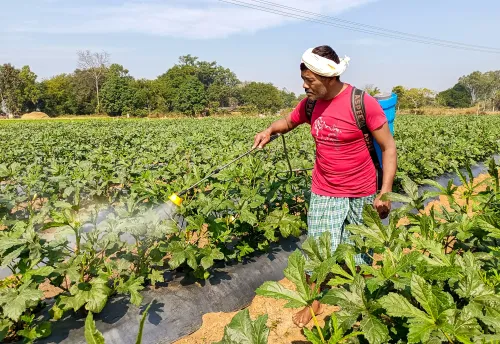
The ramifications for agriculture are profound. DAP is essential for the initial growth phases of major crops, and inadequate application cannot be compensated for by urea or other nutrients without compromising yields. Thus, the DAP deficit is not just a supply challenge; it threatens agricultural productivity, farm incomes, price stability, and ultimately, food security.
To mitigate these challenges, it is crucial to ensure a steady gas supply to existing DAP production facilities. Furthermore, policymakers must reevaluate the framework of incentives to promote domestic capacity growth and gradually decrease dependency on imports. Given the ongoing geopolitical uncertainties, the resilience of Pakistan's agricultural sector will increasingly hinge on local production capabilities versus external vulnerabilities.
Point of View
It's evident that the ongoing Gulf conflict is severely impacting Pakistan's agricultural sector. The reliance on imports for essential fertilisers highlights a critical vulnerability that could endanger food security and economic stability. A strategic reevaluation of local production incentives is essential to strengthen resilience against future disruptions.
NationPress
19 Sept 2026
Frequently Asked Questions
What is causing the fertiliser shortage in Pakistan?
The fertiliser shortage in Pakistan is primarily due to the ongoing Gulf conflict, which has disrupted global fertiliser markets and affected imports, particularly of diammonium phosphate (DAP).
How does the fertiliser shortage impact agriculture?
The shortage of fertilisers, especially DAP, threatens crop yields, farm incomes, and overall food security, as DAP is crucial for early-stage crop development.
What measures can be taken to address the fertiliser crisis?
To address the crisis, ensuring a steady supply of gas to existing DAP plants is vital, alongside revisiting policies to promote local fertiliser production and reduce import dependency.
Why is DAP particularly vulnerable in the current situation?
DAP is vulnerable due to its reliance on imports, which are affected by price volatility, logistical issues, and supply chain disruptions, making it a critical point of concern.
What is the current production capacity of DAP in Pakistan?
Pakistan produces approximately 0.7 million tonnes of DAP annually, while the demand exceeds 2 million tonnes, leading to a significant reliance on imports.