Punjab BJP urges Centre to secure DAP, urea supply for paddy season
Synopsis
Punjab BJP chief Kewal Singh Dhillon has formally written to Union Minister J.P. Nadda demanding an additional DAP quota, a 2-3 lakh MT buffer stock, a monthly urea schedule, and a real-time joint monitoring mechanism — warning that any June-July shortage will trigger black marketing and threaten national food security.
Key Takeaways
Punjab BJP President Kewal Singh Dhillon wrote to Union Minister J.P.
Nadda on 11 June seeking uninterrupted DAP and urea supply during the paddy sowing season.
The letter follows a meeting between Dhillon and Nadda on 6 June where the fertiliser situation was discussed.
Dhillon requested an additional DAP quota for Punjab and a buffer stock of 2-3 lakh metric tons before demand peaks in June-July .
He called for a monthly urea supply schedule to be shared with the Punjab government for better distribution planning.
A real-time joint monitoring mechanism involving the Union Ministry, IFFCO , NFL , and the state government was proposed to prevent artificial shortages and black marketing.
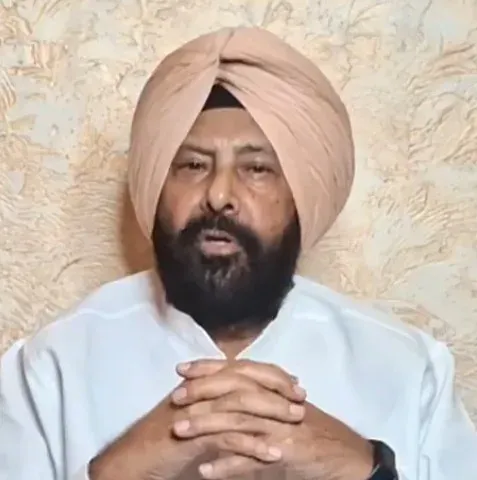
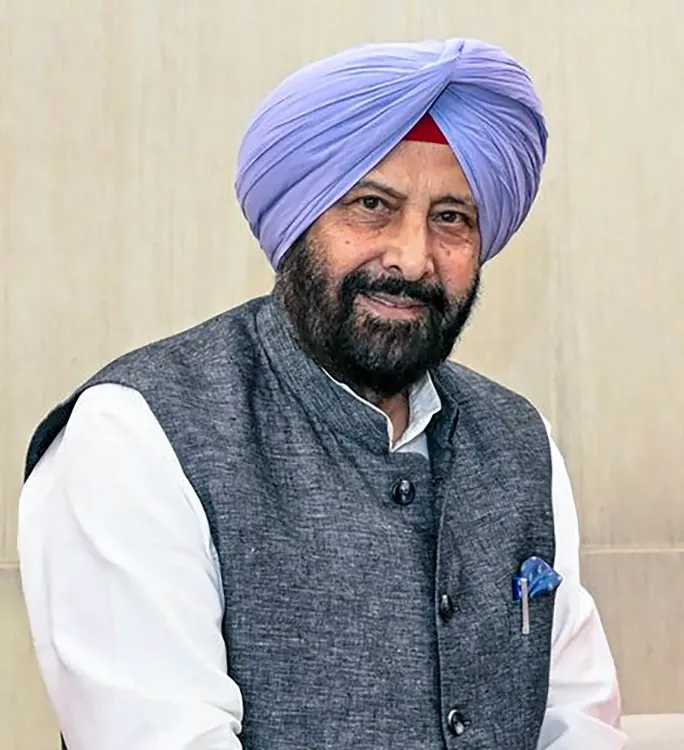
Punjab Bharatiya Janata Party (BJP) President Kewal Singh Dhillon has written a formal letter to Union Minister for Chemicals and Fertilizers J.P. Nadda, urging the Centre to ensure an uninterrupted and timely supply of DAP and urea across Punjab during the ongoing paddy sowing season. The letter, sent from Chandigarh, follows a meeting between Dhillon and Nadda on 6 June in which the fertiliser supply situation was discussed at length.
Why the Demand Is Urgent
With paddy sowing now fully underway across Punjab, Dhillon flagged that fertiliser demand in the state peaks sharply in June and July. Any supply disruption during this window, he warned, forces farmers to queue for hours outside cooperative societies and fertiliser outlets — directly threatening sowing timelines. 'Such delays can disrupt sowing operations, adversely affecting crop yields and ultimately impacting the nation's food security,' the letter stated.
The Black-Marketing Risk
Dhillon also drew the minister's attention to a recurring consequence of fertiliser scarcity: hoarding and black marketing by what the letter described as 'unscrupulous elements.' When supply tightens, farmers are reportedly compelled to purchase DAP and urea at prices above the government-mandated rate, adding to input costs at a time when margins are already under pressure.
Key Demands Raised
To pre-empt a shortage, Dhillon made four specific requests to the ministry. First, he sought the immediate release of an additional DAP quota for Punjab. Second, he requested that a buffer stock of two to three lakh metric tons be maintained in the state well before demand peaks. Third, he asked the ministry to prepare and share a monthly urea supply schedule with the Punjab government for smoother distribution planning. Fourth, he called for a real-time joint monitoring mechanism involving the Union Ministry, fertiliser companies — specifically IFFCO and NFL — and the state government to prevent any artificial shortage from developing.
Centre's Existing Response
Dhillon acknowledged in the letter that the Central government is already aware of the issue's seriousness and has been supplying fertilisers as required. However, he argued that reactive supply is insufficient given the seasonal concentration of demand, and that proactive buffer stocking and coordinated monitoring are essential to avoid a repeat of past shortages.
What Comes Next
The ball is now in the Union Ministry's court. Industry observers note that Punjab accounts for a disproportionately large share of India's paddy output, making its fertiliser logistics a matter of national food-security concern. If the ministry acts on the buffer-stock and monitoring proposals, it could set a precedent for other high-demand states heading into the kharif season.
Point of View
In a state where the party remains electorally weak. The demand for a real-time monitoring mechanism involving IFFCO and NFL is the most substantive ask: if implemented, it would reduce the information asymmetry that enables hoarding. But the Centre's track record on fertiliser buffer management in Punjab has been uneven, and a letter alone rarely moves the logistics needle. The real test will be whether the ministry translates this into an operational directive before peak demand hits in late June.
NationPress
26 Oct 2026
Frequently Asked Questions
Why has Punjab BJP written to J.P. Nadda about fertilisers?
Punjab BJP President Kewal Singh Dhillon wrote to Union Minister J.P. Nadda urging an uninterrupted supply of DAP and urea during the paddy sowing season, warning that any shortage in June-July could disrupt sowing, hurt crop yields, and enable black marketing. The letter follows a meeting between the two on 6 June.
What specific demands has Dhillon made to the Centre?
Dhillon has sought an immediate additional DAP quota for Punjab, a buffer stock of 2-3 lakh metric tons maintained before demand peaks, a monthly urea supply schedule shared with the state government, and a real-time joint monitoring mechanism involving the Union Ministry, IFFCO, and NFL.
How does a fertiliser shortage affect Punjab farmers?
A shortage during peak sowing forces farmers to queue at cooperative societies and outlets, risking delays in sowing operations that can reduce crop yields. Scarcity also encourages hoarding and black marketing, compelling farmers to buy fertilisers at above-official prices.
What is the significance of June-July for fertiliser demand in Punjab?
June and July mark the peak of the kharif paddy sowing season in Punjab, when demand for DAP and urea surges sharply. Any supply gap during this window has an outsized impact on the state's agricultural output, which contributes significantly to India's food grain production.
Has the Centre already been supplying fertilisers to Punjab?
According to Dhillon's letter, the Central government is already aware of the issue and has been supplying fertilisers as required. However, Dhillon argued that reactive supply is insufficient given the seasonal demand spike, and called for proactive buffer stocking and coordinated monitoring.