Pakistan pharma exports drop 30% as Afghan border closure disrupts trade
Synopsis
Pakistan's pharmaceutical exports have cratered by over 30% in FY26 and kept falling in FY27 — not because of a market failure, but because of a border shut since October 2025. Afghanistan, which bought 34% of Pakistan's medicines, is now sourcing elsewhere, and industry leaders warn the damage to market share may outlast even a diplomatic resolution.
Key Takeaways
Pakistan's pharmaceutical exports fell 30.26% in FY26 to USD 319.012 million , down from USD 457.456 million in FY25.
The decline continued in Q1 FY27 (July–September) , with exports dropping a further 25.53% to USD 73.301 million .
Afghanistan accounted for roughly 34.1% of Pakistan's pharma exports in FY25, valued at USD 155.68 million .
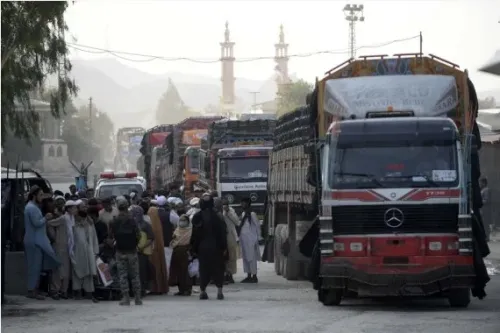
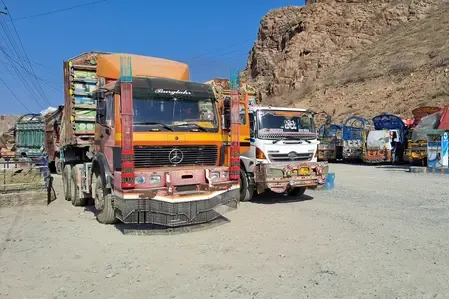
The Pakistan-Afghanistan border has been closed since October 2025 following cross-border violence.
PPMA former chairperson Tauqeer ul Haq criticised a 'lack of follow-up' by the government despite promises from Federal Planning Minister Ahsan Iqbal .
Afghanistan has begun diversifying its medical supply chain away from Pakistan, risking a permanent shift even if the border reopens.
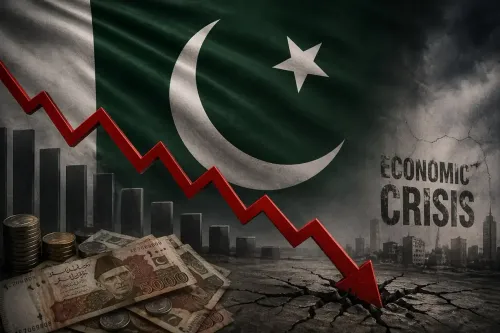
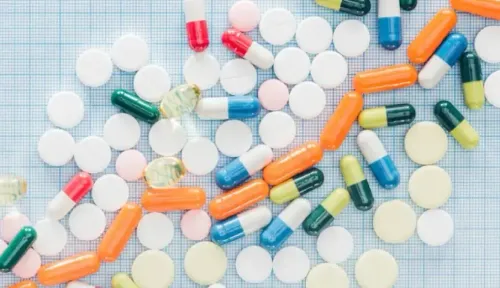
Pakistan's pharmaceutical exports have fallen sharply over the past year, with industry representatives attributing the decline to the closure of the Pakistan-Afghanistan border since October 2025. Exports dropped 30.26 per cent in FY26 and continued to slide a further 25.53 per cent in the first quarter of FY27, according to data cited in Pakistani media reports.
The Numbers Behind the Decline
According to data from the Pakistan Bureau of Statistics (PBS), pharmaceutical exports stood at USD 319.012 million in FY26, down from USD 457.456 million in FY25 — a reduction of USD 138.444 million. Export volumes also contracted sharply, falling 26.14 per cent from 112,517 metric tonnes to 83,104 tonnes, a drop of 29,413 tonnes.
The deterioration extended into the July–September quarter of FY27, when export earnings fell to USD 73.301 million from USD 98.428 million in the same period of FY26 — a further decrease of USD 25.127 million, or 25.53 per cent. The figures exclude surgical goods and medical instruments.
Afghanistan: Pakistan's Biggest Pharma Market
Afghanistan has historically been the single largest destination for Pakistani pharmaceutical exports. According to destination-wise figures cited in Pakistani business publications, exports to Afghanistan reached USD 155.68 million in FY25, accounting for roughly 34.1 per cent of Pakistan's total pharmaceutical export earnings that year. The loss of that market following the border closure has left a significant gap in export revenues.
Former chairperson of the Pakistan Pharmaceutical Manufacturers Association (PPMA), Tauqeer ul Haq, described the suspension of trade as having 'caused major losses for the pharmaceutical industry and the national exchequer.' He also noted the humanitarian dimension, stating that Afghan patients are being pushed toward more expensive medicines as Pakistani supplies are cut off.
Government Promises, Slow Follow-Through
The PPMA has reportedly raised the issue at the federal level. According to reports, Federal Planning Minister Ahsan Iqbal has promised to take up the matter with relevant authorities and explore avenues to resume Pakistani medicine exports to Afghanistan. However, Tauqeer ul Haq reportedly deplored what he described as a 'lack of follow-up' on those commitments.
The Diplomatic Context
The border closure reflects broader tensions between Pakistan and Afghanistan that have intensified since the Taliban regained control of Kabul in 2021. Pakistan has repeatedly accused the Afghan government of harbouring militant groups, including the Tehreek-e-Taliban Pakistan (TTP) and ISIS-K, which carry out cross-border attacks on Pakistani soil. Afghanistan has denied sheltering such elements and has in turn blamed Pakistan for its internal security challenges.
The border has remained closed since October 2025 following an escalation in cross-border violence, triggering economic consequences on both sides — rising commodity prices, restricted medical travel, and disrupted livelihoods. Businesses on both sides have reportedly begun exploring alternative regional trade routes. Afghanistan, for its part, has accelerated a shift toward alternative medicine suppliers, signalling a longer-term realignment of its medical supply chain away from Pakistan.
What This Means Going Forward
The Pak-Afghan pharmaceutical trade dispute illustrates how geopolitical friction can rapidly translate into public health vulnerabilities, particularly in a landlocked, aid-dependent economy like Afghanistan. With the border showing no signs of imminent reopening and Kabul diversifying its supplier base, Pakistan's pharmaceutical sector faces the risk that even a future resumption of trade may not fully restore its earlier market share. Industry bodies are now pressing Islamabad for a structured diplomatic intervention before the commercial relationship becomes irreversible.
Point of View
The commercial window may close permanently, regardless of any eventual diplomatic thaw.
NationPress
23 Oct 2026
Frequently Asked Questions
Why have Pakistan's pharmaceutical exports declined so sharply?
Pakistan's pharmaceutical exports fell 30.26% in FY26 primarily because the Pakistan-Afghanistan border has been closed since October 2025, cutting off Afghanistan — historically Pakistan's largest pharmaceutical export market, accounting for about 34% of export revenues. The closure followed an escalation in cross-border violence and has severely disrupted bilateral trade.
How much have Pakistan's pharma exports fallen in value?
According to Pakistan Bureau of Statistics data, pharmaceutical exports dropped from USD 457.456 million in FY25 to USD 319.012 million in FY26, a loss of USD 138.444 million. In the first quarter of FY27, earnings fell further to USD 73.301 million from USD 98.428 million in the same quarter of FY26.
How has the border closure affected Afghan patients?
Afghan patients have been pushed toward more expensive medicines from alternative suppliers, according to former PPMA chairperson Tauqeer ul Haq. Afghanistan's medical supply chain was heavily dependent on Pakistani medicines, and the abrupt cutoff has created both supply shortages and price pressures for ordinary Afghans.
What is Pakistan's government doing to resolve the trade disruption?
Federal Planning Minister Ahsan Iqbal has reportedly promised to raise the issue with relevant authorities and explore ways to resume Pakistani medicine exports to Afghanistan, according to PPMA representatives. However, the industry body has expressed frustration at what it describes as a lack of tangible follow-up on those commitments.
What caused the Pakistan-Afghanistan border closure in October 2025?
The border was shut following a surge in cross-border violence, set against a backdrop of long-standing tensions over Pakistan's accusations that the Taliban-led Afghan government harbours militant groups including the TTP and ISIS-K. Afghanistan denies these charges, and diplomatic relations between the two neighbours have remained strained since the Taliban takeover in 2021.