Will Pakistani Medicines Really Be Banned in Afghanistan After February 9?
Synopsis
Kabul's recent announcement to cease the sale of imported medicines from Pakistan after February 9 raises significant concerns about escalating tensions between the two nations. Traders must act swiftly to finalize transactions, as the decision could have far-reaching implications for both economies. Will this rift lead to further instability?
Key Takeaways
Kabul has announced a ban on medicines from Pakistan effective February 9.
Traders are urged to finalize transactions before the deadline.
The Ministry of Finance has set a strict timeline for compliance.
Previous agreements have failed to maintain peace.
Economic repercussions are expected for both nations.
New Delhi, Jan 21 (NationPress) In a move that could heighten tensions between Afghanistan and Pakistan, Kabul declared on Wednesday that medications imported from its neighboring nation will no longer be available for sale after February 9. Traders have been urged to wrap up all relevant business dealings before this deadline, according to reports.
The Ministry of Finance (MoF) of Afghanistan has indicated that only 19 days remain before this previous decision takes effect, after which imported medicines from Pakistan will be barred from processing under any circumstances, as reported by Kabul's Pajhwok news. Traders are advised to finalize all outstanding transactions within this timeframe.
On November 13, 2025, the MoF announced that imported medicines from Pakistan would not be cleared through customs following a three-month grace period, in accordance with a directive from the Deputy Prime Minister for Economic Affairs.
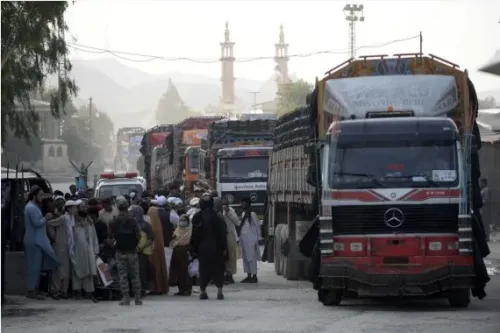
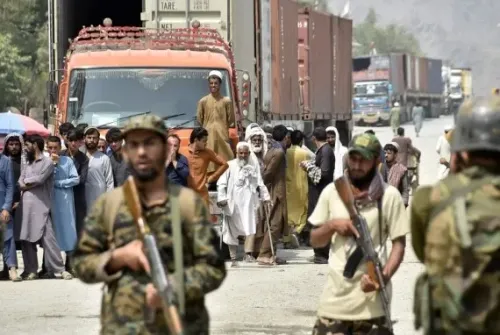
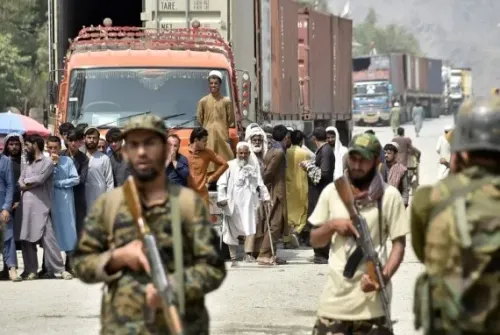
Reports from the ground indicate that the closure of Afghanistan-Pakistan trade routes since late last year has led to significant market instability and unprecedented price surges in both countries.
Since signing a truce following a violent confrontation on October 11, Afghanistan and Pakistan have been unable to agree on the operational details.
The Durand Line, established by the British during their colonial rule in India, remains a contentious issue between the two nations, leading to numerous skirmishes along the 2,600 km border.
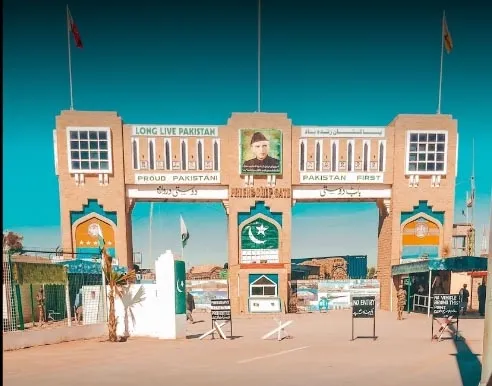
Afghanistan, being landlocked, heavily relies on trade through these border crossings, which provide access to key ports like Karachi and Gwadar in Pakistan, as well as routes through the Iranian border to the west.
This announcement is poised to further exacerbate the already strained relations between Kabul and Islamabad.
Approximately three months ago, Taliban forces initiated an operation across the troubled border, with Kabul asserting it was a response to alleged airstrikes by Pakistani forces into Afghan territory.
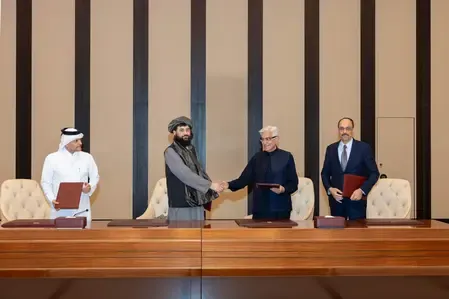
Multiple rounds of talks mediated by regional players have failed to establish or implement a ceasefire agreement between these once-friendly, now adversarial neighbors.
Discussions between Kabul and Islamabad have occurred several times in Qatar, Saudi Arabia, and Turkey, but have not yielded any fruitful outcomes.
On Wednesday, a report from Pajhwok quoted the Taliban’s government spokesperson, Zabihullah Mujahid, asserting that the lack of collaboration and irresponsible behavior from the Pakistani delegation impeded the success of the negotiations in Turkey, despite Afghanistan's goodwill and efforts from its mediators.
Additionally, on November 12 of last year, Deputy Prime Minister for Economic Affairs, Mullah Abdul Ghani Baradar, encouraged traders and industrialists to seek alternative trade routes instead of depending on Pakistan. He cautioned that Kabul would not resolve any issues stemming from ongoing reliance on Pakistani routes. Baradar accused Islamabad of consistently closing trade passages and politicizing commercial matters, resulting in considerable losses for businesses in both nations, which ultimately compelled the Afghan government to make this decision.
Point of View
It is essential to approach the unfolding situation between Afghanistan and Pakistan with a focus on factual reporting and understanding the complexities involved. Tensions are rising, and the implications of Kabul's decision may reverberate throughout the region. It is vital to continue monitoring developments closely and provide insightful analysis to our readers.
NationPress
20 Sept 2026
Frequently Asked Questions
Why is Afghanistan banning Pakistani medicines?
The ban on Pakistani medicines is part of a decision made by Kabul to address ongoing tensions and trade issues with Pakistan, urging traders to complete transactions before February 9.
What impact will this decision have on trade?
The decision is expected to cause significant disruptions in trade between Afghanistan and Pakistan, leading to price increases and economic instability in both countries.
Is the Durand Line still a contentious issue?
Yes, the Durand Line remains a major source of conflict between Afghanistan and Pakistan, often leading to military skirmishes and diplomatic tensions.
What alternatives do Afghan traders have?
Afghan traders are being encouraged to explore alternative trade routes, including those through Iran, to reduce reliance on Pakistani supply chains.
How has the situation escalated recently?
Recent military operations and failed negotiations between the two countries have exacerbated tensions, making trade relations increasingly fraught.