Sharp Decline in Pakistan's Exports to Afghanistan Amid Ongoing Trade Disruptions
Synopsis
Kabul, Feb 25 (NationPress) - Pakistan's exports to Afghanistan have seen a significant drop in the first seven months of the current fiscal year due to ongoing trade disruptions and political tensions, impacting the economies of both nations.
Key Takeaways
Exports to Afghanistan decreased by over 50% .
Border closures have halted trade since October .
The Taliban is urging diversification of trade routes .
Khyber Pakhtunkhwa's revenue has significantly declined .
Efforts for dialogue between governments are ongoing .
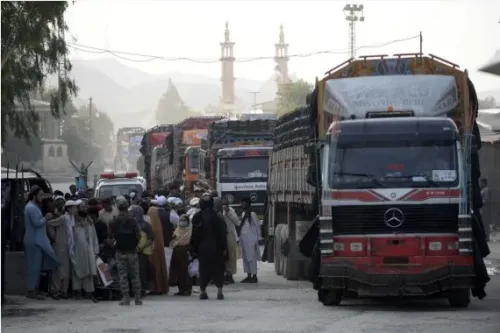
Kabul, Feb 25 (NationPress) The decline in Pakistan's exports to Afghanistan has sharply intensified during the first seven months of the ongoing fiscal year due to trade disruptions and escalating political tensions, as reported by local media on Wednesday.
Official statistics from the State Bank of Pakistan indicate that exports to Afghanistan have plummeted by over 50% compared to the same timeframe last year. The value has decreased from above 550 million dollars to approximately 230 million dollars during the July to January period, according to Khaama Press, a leading news agency in Afghanistan.
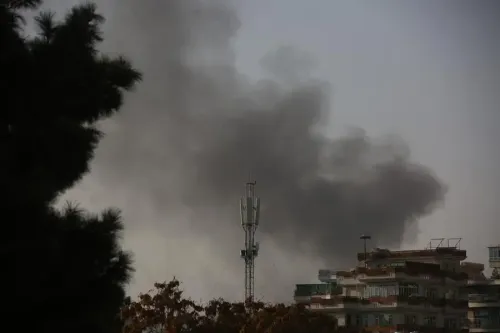
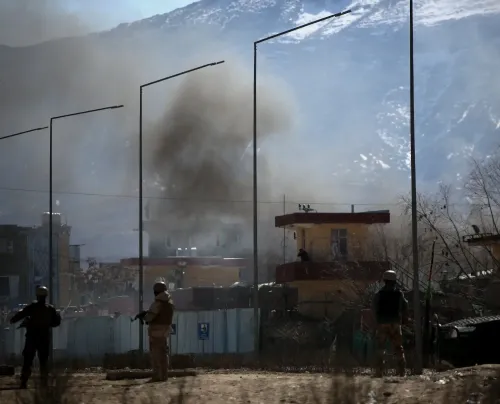
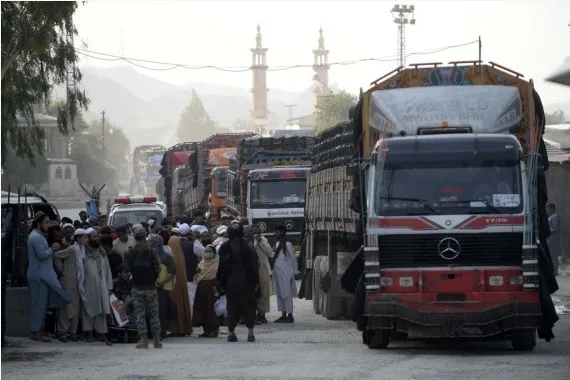
Border crossings between Pakistan and Afghanistan have been effectively closed since October of last year, which has halted bilateral trade between the two nations. These closures were initiated following clashes between Pakistani forces and the Taliban, which lasted for eight days. Despite multiple rounds of discussions aimed at easing tensions, the border remains shut.
The Taliban has encouraged traders and pharmaceutical importers to explore alternative routes and diversify their supply sources to prevent shortages in local markets. Taliban officials emphasized the importance of reducing dependence on a singular transit corridor and urged businesses to seek regional partnerships to maintain a steady supply of essential goods.
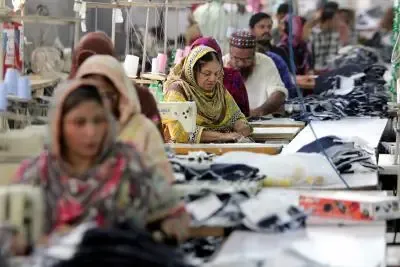
In January, reports surfaced indicating that the Khyber Pakhtunkhwa province of Pakistan experienced a 53.02% drop in revenue as a direct result of the ongoing closure and suspension of trade at the Pakistan-Afghanistan border since October. This has prompted the provincial government to seek federal intervention, as reported by local media.
The closure of the Pakistan-Afghanistan border has led to significant revenue losses for Khyber Pakhtunkhwa, with the collection of Infrastructure Development Cess (IDC) decreasing from PKR 7.42 billion to PKR 3.48 billion during the first seven months of this fiscal year compared to the same period in 2025, according to Dawn, a leading daily in Pakistan.
The financial adviser to the Chief Minister of Khyber Pakhtunkhwa, Muzammil Aslam, has sent a letter to Pakistan's Commerce Minister Jam Kamal, requesting an urgent meeting involving provincial and federal stakeholders. Aslam noted that the prolonged border disruption is inflicting serious economic, revenue, and employment consequences for Khyber Pakhtunkhwa. He mentioned that the initial disruption in cess collection stemmed from a court stay order, which was resolved in November.
While recovery efforts were initiated, they have not yielded significant results as cross-border trade continues to remain suspended. He pointed out that exporters and traders are facing challenges, with their consignments and payments stuck across the border, leading many businesses to struggle in meeting their statutory cess obligations due to the trade suspension between Pakistan and Afghanistan.
Point of View
The reported decline in exports from Pakistan to Afghanistan highlights the intertwined economic fates of both nations. It illustrates the necessity for diplomatic efforts to resolve ongoing tensions and restore trade relations, ultimately benefiting both economies.
NationPress
17 Sept 2026
Frequently Asked Questions
What caused the decline in Pakistan's exports to Afghanistan?
The decline was primarily caused by trade disruptions and political tensions, leading to border closures.
How much did exports decrease compared to last year?
Exports to Afghanistan dropped by over 50%, declining from more than 550 million dollars to nearly 230 million dollars.
What has the Taliban advised traders to do?
The Taliban has advised traders to seek alternative trade routes and diversify their supply sources to prevent local market shortages.
What impact has the border closure had on Khyber Pakhtunkhwa's revenue?
The province experienced a 53.02% decline in revenue due to the suspension of trade at the border.
What steps are being taken to address the trade disruption?
Efforts are being made to initiate discussions between provincial and federal stakeholders to address the ongoing trade disruption.