Pakistan border closures with India, Afghanistan, Iran strain trade and economy
Synopsis
Pakistan finds itself effectively landlocked by diplomatic failure — borders with India, Afghanistan, and Iran all disrupted simultaneously. With three of four land frontiers closed or near-closed, the economic toll on border communities is mounting, and the contrast with India's stronger growth trajectory is becoming harder to ignore.
Key Takeaways
Pakistan 's land borders with India , Afghanistan , and Iran are all disrupted or closed to normal trade and travel, according to a The Friday Times report.
India-Pakistan direct trade and most travel links have been suspended since August 2019 , following New Delhi 's revocation of Jammu and Kashmir 's special status.
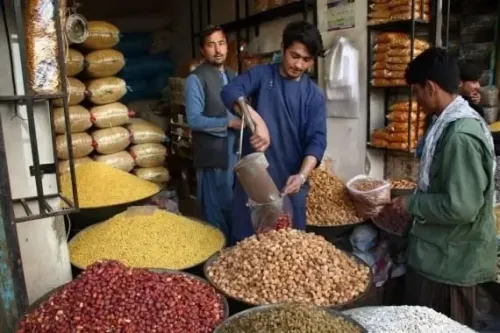
Pakistan historically ran a trade surplus with Afghanistan , but border closures have hurt trading communities on both sides.
Reduced engagement with Iran has cost Pakistan opportunities in energy cooperation and border trade amid sanctions pressures.
Limited regional integration has hit Pakistan harder than its neighbours, the report says, even as India maintains stronger economic momentum.
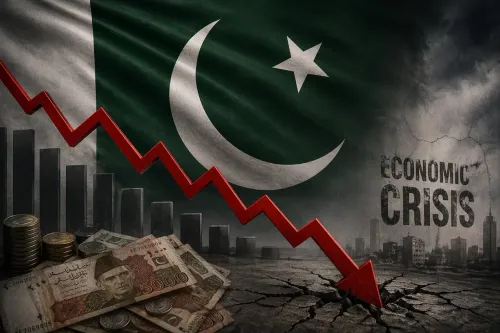
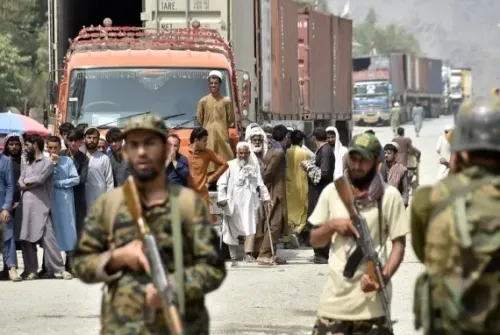
Pakistan's deteriorating ties with three of its four neighbours — India, Afghanistan, and Iran — have effectively shut most of its land borders to trade and travel, according to a report by The Friday Times, raising serious concerns about the economic costs of prolonged regional isolation. The report, cited on 21 October 2026, warns that the absence of normal cross-border connectivity is inflicting disproportionate damage on Pakistan's economy, particularly on communities in border regions.
Scale of the Isolation
Pakistan shares land borders with India to the east, Afghanistan and Iran to the west, and China to the north through a limited corridor. With normal trade and travel suspended or severely disrupted along three of those four frontiers, the country is left with meaningful connectivity only through the China-Pakistan Economic Corridor (CPEC) route in the north. The report notes that this degree of frontier closure is exceptional even by the standards of South Asia's historically fraught regional ties.
India-Pakistan: Trade Frozen Since 2019
Relations between India and Pakistan deteriorated sharply after New Delhi revoked the special constitutional status of Jammu and Kashmir in August 2019. Since then, direct trade and most travel links between the two countries have remained suspended. The disruption has curtailed opportunities not just for commerce but also for tourism and people-to-people exchanges, the report said.
Afghanistan and Iran Borders Also Disrupted
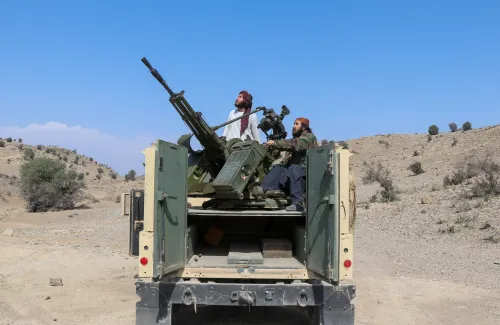
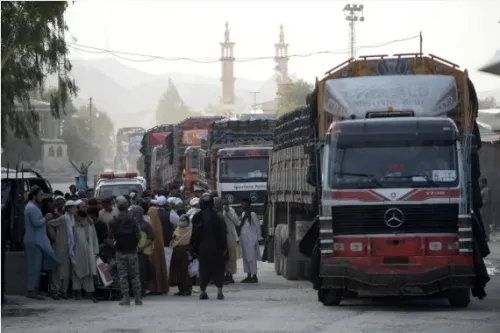
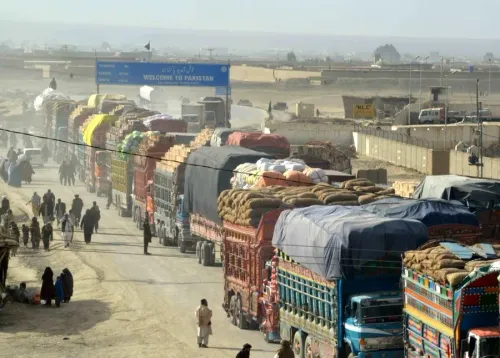
Trade disruptions with Afghanistan have hit businesses on both sides hard. According to The Friday Times, Pakistan historically ran a trade surplus with Afghanistan, but the closure of that western border has 'made things difficult for trading community of both countries.' Meanwhile, Pakistan's trade relations with Iran have suffered amid regional security concerns and international sanctions-related pressures, depriving Islamabad of potential gains in energy cooperation and border commerce with Tehran.
Economic Fallout and Regional Contrast
The report highlights a stark regional contrast: while Pakistan's economy continues to grapple with slow growth, political uncertainty, and governance concerns, neighbouring India has maintained stronger economic momentum. Limited regional integration, the report argues, has disproportionately affected Pakistan compared with its larger and better-diversified neighbours. Border communities — typically among the most economically vulnerable — bear the sharpest costs of these closures.
What the Isolation Costs
Beyond immediate trade losses, the prolonged border closures have curtailed broader economic corridors: reduced energy imports from Iran, foregone Afghan transit revenues, and the absence of any land-route trade with India — which, pre-suspension, was a significant bilateral relationship. Analysts and trade bodies have repeatedly flagged that restoring even partial connectivity could generate meaningful economic gains, particularly for Pakistan's import-dependent economy. However, with political conditions on all three frontiers remaining unresolved, a near-term reversal appears unlikely.
Point of View
Afghanistan, and Iran are not just a diplomatic scorecard — they are a compounding economic liability. What is often discussed as three separate bilateral disputes is, in aggregate, a near-total severance of Pakistan's western and eastern land-trade corridors. The contrast with India is instructive: New Delhi's diversified trade relationships mean any one friction point is manageable; for Islamabad, three closed borders at once is structurally crippling. The deeper question mainstream coverage tends to sidestep is whether Pakistan's political class has genuinely priced in the long-run cost of this isolation, or whether short-term strategic posturing continues to override economic self-interest.
NationPress
21 Oct 2026
Frequently Asked Questions
Why are Pakistan's borders with India closed?
Direct trade and most travel links between Pakistan and India have been suspended since August 2019, when New Delhi revoked the special constitutional status of Jammu and Kashmir. Relations between the two countries have not normalised since, leaving cross-border commerce and people-to-people exchanges largely frozen.
How has the Pakistan-Afghanistan border closure affected trade?
Pakistan historically ran a trade surplus with Afghanistan, but border disruptions have significantly hurt businesses on both sides. According to The Friday Times report, the closure has made conditions difficult for the trading communities of both countries, eroding a traditionally meaningful economic relationship.
What is the impact of Pakistan's strained ties with Iran?
Pakistan's trade and energy cooperation with Iran has suffered due to regional security concerns and international sanctions-related pressures. The reduced engagement has deprived Pakistan of opportunities in energy imports and border trade with Tehran.
How does Pakistan's isolation compare with India's economic position?
While Pakistan faces slow growth, political uncertainty, and governance challenges, India has maintained stronger economic momentum. The Friday Times report notes that limited regional integration has disproportionately hurt Pakistan compared with its larger, better-diversified neighbours.
Which of Pakistan's borders remain open for trade?
Pakistan's only relatively functional land-trade corridor is with China in the north, primarily through the China-Pakistan Economic Corridor (CPEC) route. Its borders with India, Afghanistan, and Iran are all disrupted or closed to normal commercial activity.