Is Afghanistan's Shift to Alternative Trade Corridors Strategically Isolating Pakistan?
Synopsis
Afghanistan's evolving trade strategies could lead to Pakistan's strategic isolation. With strong ties to India and Central Asia, Afghanistan is diversifying its trade routes, reducing reliance on Pakistan. This shift could reshape regional economic dynamics significantly.
Key Takeaways
Afghanistan is diversifying its trade routes to reduce dependency on Pakistan .
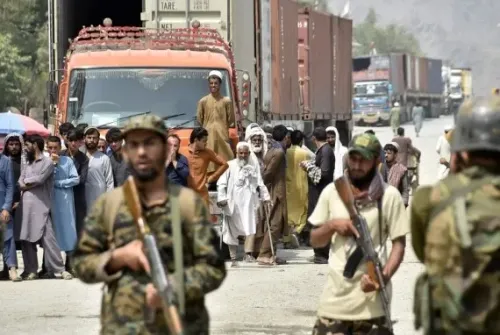
Major border crossings like Torkham and Chaman faced prolonged closures, impacting trade.
Shifts in trade dynamics may lead to Pakistan 's strategic isolation.
Alternative routes via India and Central Asian nations are being prioritized.
Afghan officials forecast non-Pakistani trade may reach USD 10 billion by 2027.
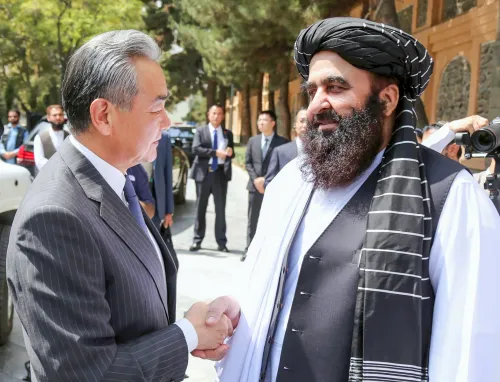
Kabul, Dec 8 (NationPress) As Afghanistan strengthens its economic partnerships with India and Central Asian nations, Pakistan faces the threat of strategic isolation due to the emergence of new transit routes that could lessen the impact of the China-Pakistan Economic Corridor (CPEC), according to a report released on Monday.
The report highlights that Afghanistan's long-term success will depend on ongoing investment in infrastructure and proactive diplomatic efforts, especially in pursuing sanctions relief for Iranian-affiliated ports.
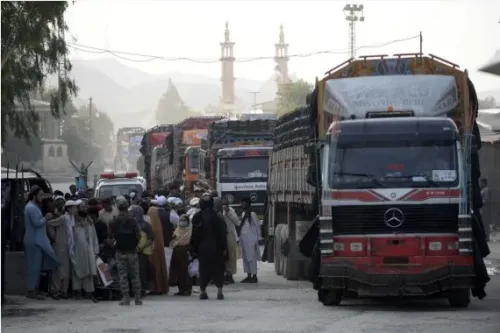
“Afghanistan's leadership has ramped up initiatives to diversify its trade corridors, gradually decreasing its reliance on Pakistan after enduring repeated and prolonged border closures that have disrupted trade. Key crossings like Torkham and Chaman, which used to represent about 40% of Afghanistan's official trade, faced extended shutdowns throughout late 2024 and into 2025 due to rising allegations of cross-border militancy and security challenges,” detailed a report from Afghanistan's prominent news agency, Khaama Press.
“These border closures, often lasting several weeks, have caused reported monthly losses exceeding USD 200 million for Afghan exporters of perishables like fruits, vegetables, and dried nuts. The delays in importing fuel, wheat, and pharmaceuticals have also contributed to domestic inflation and intermittent shortages. In reaction, Kabul has increasingly prioritized alternative routes, including trade with India through Iran’s Chabahar Port and new air connections, alongside enhanced overland links with Uzbekistan, Turkmenistan, and Kazakhstan. This aims to establish a more resilient, multipolar trade network that is less susceptible to abrupt interruptions,” it noted.
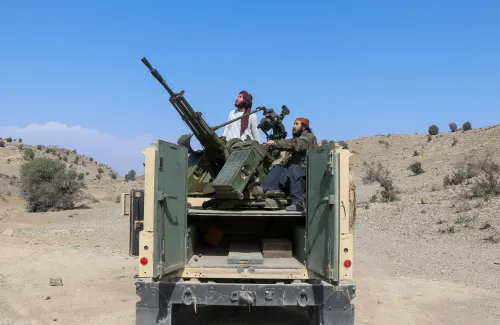
The report also mentions that Islamabad's worries regarding Tehreek-e-Taliban Pakistan (TTP) activities in Afghanistan, coupled with Kabul's disapproval of Pakistan's visa restrictions, have deepened mistrust between the neighboring countries.
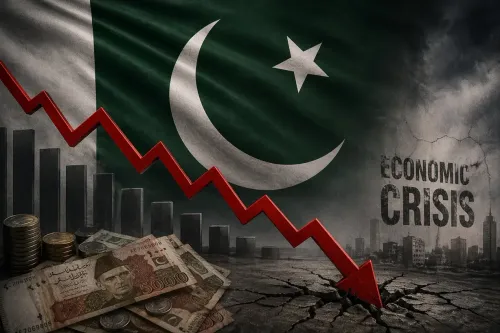
“Tensions escalated in October 2025 amid border clashes that led to indefinite closures justified by counter-terrorism measures. Before these incidents, annual bilateral trade was estimated between USD 2.5 and 3 billion, with Afghanistan exporting around USD 1.5 billion in agricultural goods while importing fuel and essential commodities through Karachi and Gwadar ports. This figure is now believed to have fallen below USD 1 billion,” the report emphasized.
“Afghan agricultural products, such as grapes, have reportedly been sold at significantly higher prices in Pakistani markets due to supply fluctuations, while numerous Afghan and Pakistani cargo trucks remain stranded at border points. Analysts suggest that while Pakistan attempted to exert pressure on Kabul regarding militant havens, these disruptions have also diminished Pakistan’s influence as Afghan traders increasingly turn to costlier yet more reliable alternative routes,” it added.
The report indicated that Afghan officials predict that non-Pakistani trade could soar to USD 10 billion by 2027 if current diversification strategies are maintained and logistical challenges are addressed.
“While the current shift has been influenced by ongoing border tensions, policymakers believe that a broader network of trade partners could provide Afghanistan with enhanced economic resilience and stability in the coming years,” it concluded.
Point of View
It is crucial to recognize the ongoing geopolitical shifts in South Asia. Afghanistan's diversification of trade routes signifies a strategic pivot that could alter economic dependencies and regional dynamics. Our coverage remains committed to providing insights into these developments while ensuring that the perspective of our nation is prioritized in the broader context.
NationPress
14 Sept 2026
Frequently Asked Questions
What is the current trade situation between Afghanistan and Pakistan?
The trade situation has deteriorated, with annual bilateral trade dropping below USD 1 billion due to prolonged border closures and rising tensions.
How is Afghanistan diversifying its trade routes?
Afghanistan is increasingly relying on alternative routes, including connections with India through Iran’s Chabahar Port and enhanced overland links with Central Asian countries.
What are the economic implications for Afghanistan?
If current diversification strategies continue, Afghan officials estimate that non-Pakistani trade could increase to USD 10 billion by 2027.
What impact have border closures had on Afghan exports?
Border closures have reportedly caused monthly losses exceeding USD 200 million for Afghan exporters, particularly in perishables.
How are geopolitical tensions affecting trade dynamics?
Tensions, including security concerns and visa restrictions, have deepened mistrust between Afghanistan and Pakistan, impacting trade significantly.