Is BNP Accusing Jamaat-e-Islami of Exploiting Religion for Political Advantage?
Synopsis
As political tensions rise in Bangladesh ahead of the upcoming elections, the BNP has called out Jamaat-e-Islami for allegedly misleading the public through religious manipulation. This article explores the criticisms exchanged between the two parties and the historical context of their rivalry.
Key Takeaways
BNP criticizes Jamaat-e-Islami for misleading the public.
Historical context of violence in 1971 is significant.
Religious manipulation is a key theme in political rhetoric.
Voter awareness is crucial in the upcoming elections.
The rivalry between these parties continues to shape Bangladesh's political landscape.
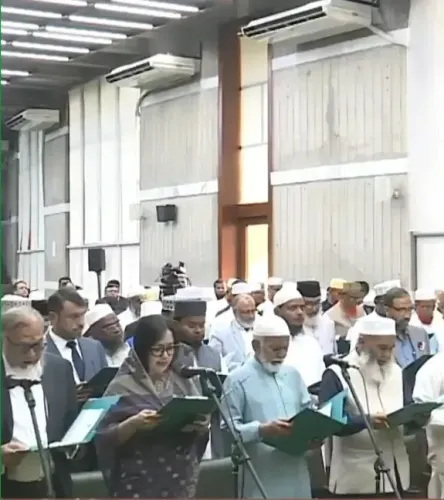
Dhaka, Dec 8 (NationPress) As the political landscape becomes increasingly tumultuous in the lead-up to next year’s elections, the Bangladesh Nationalist Party (BNP) on Monday directed pointed criticism at the radical Islamist party, Jamaat-e-Islami, suggesting that citizens are now aware of a faction attempting to mislead the nation through the use of the "religion card", according to local media sources.
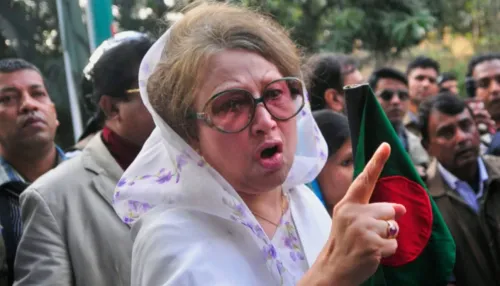
“The populace has recognized a party lacking in policy, principles, and vision, which is attempting to trick the public under the guise of religion. Their true nature has already been revealed,” stated Salahuddin Ahmed, a senior BNP leader, during a recent party event in Dhaka, as reported by Bangladesh’s prominent newspaper, The Daily Star.
In a veiled reference to Jamaat, Ahmed noted that this specific political group claimed that voting for their symbol would lead to eternal bliss.
“Those who seek to enter Jannah (heaven) effortlessly should first locate its bus stop. The people are wise to these tactics,” he contended, criticizing the party for lacking a coherent ideology and attempting to deceive the populace with a "religion tablet".
On the previous day, Tarique Rahman, BNP's Acting Chairman, accused Jamaat of disseminating falsehoods about his party, reminding the public how Jamaat was responsible for the deaths of countless individuals and the disgrace of women during the 1971 War against Pakistan for their political objectives.
Speaking virtually to the same event in Dhaka, Rahman alleged that Jamaat has led people astray with fraudulent promises, including assurances of "guaranteeing heaven in exchange for votes".
“We hear individuals or groups in various locations or on social media suggesting, ‘We have observed this party and that party, so now allow this party (Jamaat) a chance’. However, the citizens of this nation have already witnessed this party’s actions in 1971,” Rahman stated, as cited by Bangladeshi media outlet UNB.
“Those who are now urging the public to support them—the citizens have already seen their actions in 1971. They not only caused the deaths of countless people, but their affiliates also violated numerous mothers and sisters. This must never be forgotten,” he emphasized.
The factions that previously aligned with Chief Advisor Muhammad Yunus to topple the democratically elected government of Awami League, led by Sheikh Hasina, are now in conflict.
Point of View
The ongoing political strife reflects deeper societal divides in Bangladesh. The BNP's accusations against Jamaat-e-Islami highlight the challenges of navigating religious sentiments in politics. As the elections approach, it is crucial for voters to critically assess the motives behind political rhetoric and the historical actions of these parties.
NationPress
1 Oct 2026
Frequently Asked Questions
What are the main accusations made by the BNP against Jamaat-e-Islami?
The BNP accuses Jamaat-e-Islami of attempting to mislead the public by exploiting religious sentiments for political gain, claiming they lack a coherent policy and have a history of violence.
What historical events are referenced in the current political conflict?
The BNP references the atrocities committed by Jamaat during the 1971 War against Pakistan, highlighting their involvement in violence and the dishonor of women.
How does the BNP perceive Jamaat's influence on voters?
The BNP believes that Jamaat is trying to win votes through false promises, including the claim that supporting them could guarantee entry to heaven.
What is the current political climate in Bangladesh?
The political climate is tense as the country approaches elections, with rising accusations and conflicts between major parties like the BNP and Jamaat-e-Islami.
What should voters consider before the elections?
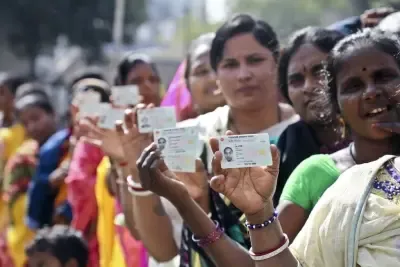
Voters should evaluate the historical actions and ideologies of the parties involved, placing importance on transparency and integrity in their political choices.