Afghanistan-Pakistan Conflict: A Regional Threat with Serious Implications
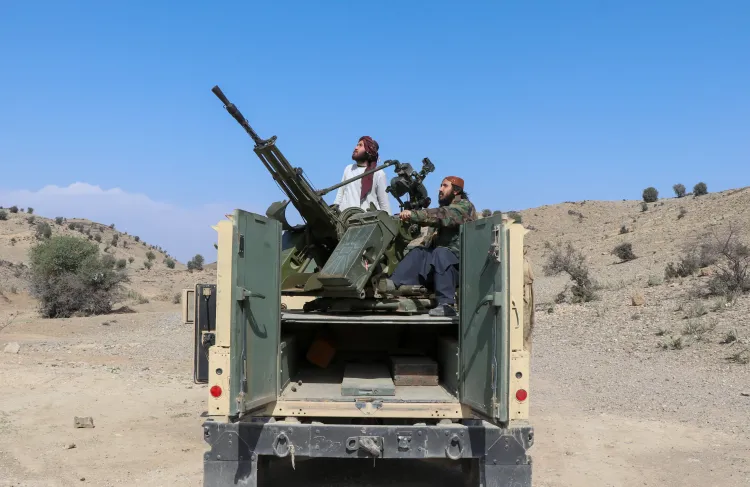
Synopsis
As the Afghanistan-Pakistan conflict intensifies, it threatens to destabilize the entire South Asian region. With dire ramifications for security, trade, and humanitarian conditions, this escalating crisis reveals the complexities of regional geopolitics.
Key Takeaways
Afghanistan-Pakistan conflict is destabilizing the region.
Trade disruptions are leading to economic strain.
Humanitarian crises are worsening for refugees.
International agencies warn of deteriorating conditions.
Potential for cross-border terrorism is increasing.
New Delhi, March 18 (NationPress) The ongoing Afghanistan-Pakistan conflict is emerging as a significant destabilising force in the region, posing serious threats with extensive repercussions throughout South Asia, particularly in terms of security, trade, and economic stability, which further exacerbates the prevailing humanitarian crisis.
The ongoing violence has severely disrupted trade channels via Pakistan’s ports to Afghanistan, particularly following the closure of access points at the Durand Line.
Simultaneously, the conflict in Iran is compounding the situation for the West, nearly isolating the stricken nation from essential trade and humanitarian support.
With Afghanistan heavily dependent on cross-border trade, it is grappling with acute shortages and rising inflation, while Pakistan's already precarious economy is under increased strain from military spending and hindered exports.
Moreover, delays in goods transit are affecting the Indian subcontinent and Central Asian nations, inflating costs and undermining regional cooperation efforts.
The war is also affecting refugees, particularly those at the Pakistan-Afghanistan border or those attempting to cross, intensifying an already critical humanitarian crisis.
Recently, Islamabad has been expelling Afghan civilians it once embraced, having hosted, trained, and equipped them in the US-backed struggle against the Soviet forces in the region until late 1988. Those insurgents later turned against the US-led coalition, leading to its rapid withdrawal in 2021.
Now, while Pakistan contends that such militant groups are responsible for the unrest and terror attacks on its territory, it has begun a crackdown on all Afghan refugees residing within its borders.
International organisations have raised alarms about deteriorating conditions, with food insecurity and medical supply shortages worsening due to interruptions in humanitarian aid delivery.
The conflict between Kabul and Islamabad poses risks of the Tehreek-e-Taliban Pakistan (TTP), also known as the Pakistani Taliban, and the Islamic State unleashing violence both within their territories and beyond.
Even as the Taliban government in Kabul seeks diplomatic avenues and governance, it has found itself embroiled in another conflict, positioning itself as the protector of Afghan sovereignty.
This rise in militant activity could extend into Central Asia and India, raising concerns about cross-border terrorism amid already strained regional security frameworks, while ambitious initiatives like transnational energy pipelines and trade routes face setbacks.
Additionally, a risk of diplomatic polarization looms, with Afghanistan seeking support from Muslim nations while Pakistan aligns itself with China and Gulf countries.
Meanwhile, Pakistan’s media frames the conflict as a necessary counterterrorism response, while Afghan outlets depict it as an act of aggression leading to civilian suffering.
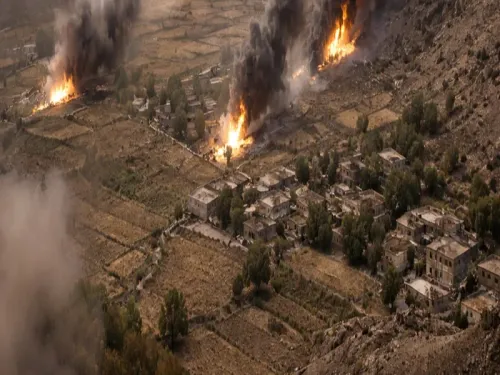
Islamabad has maintained that its airstrikes target suspected TTP and IS safe havens in Nangarhar, Paktika, and Khost, arguing that Kabul has failed to manage cross-border militancy, necessitating unilateral action.
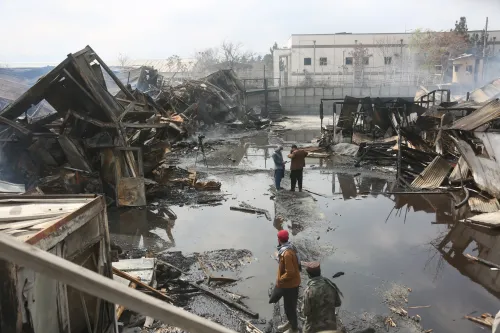
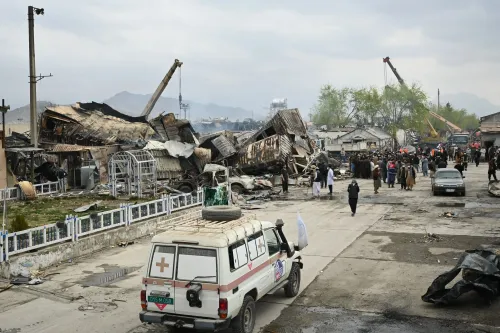
Afghan media has condemned Pakistan’s military operations as blatant aggression against a sovereign state, highlighting civilian casualties, including reports of bombings at a Kabul hospital.
Taliban officials assert they have seized Pakistani military positions and inflicted notable losses, framing their actions as efforts to defend Afghan land.
Media from Kabul has also called upon Muslim nations and neighboring countries to denounce Pakistan’s military actions, portraying the conflict as part of a broader struggle against external interference. New Delhi is closely monitoring this evolving situation, wary of Pakistan’s military posture and potential ramifications. Regional mediators, including Qatar, Turkey, and even Iran, are now engaged in the ongoing crisis in West Asia rather than working to de-escalate tensions between Pakistan and Afghanistan.
Point of View
Economy, and humanitarian conditions in South Asia. It is imperative for regional actors to engage in dialogue and seek collaborative solutions to mitigate the escalating tensions and prevent further destabilization.
NationPress
9 Oct 2026
Frequently Asked Questions
What are the main causes of the Afghanistan-Pakistan conflict?
The conflict arises from historical grievances, cross-border militancy, and competing political interests, particularly following the Taliban's rise in Afghanistan and its implications for regional security.
How is the conflict impacting trade between the two countries?
The ongoing conflict has disrupted trade routes, particularly through the Durand Line, leading to significant economic strain and shortages in Afghanistan.
What humanitarian issues are being exacerbated by the conflict?
The conflict has led to increased refugee displacement, food insecurity, and medical shortages, compounding an already dire humanitarian situation.
What role do international agencies play in this crisis?
International organizations are monitoring the situation closely and providing humanitarian assistance, while also raising awareness about the deteriorating conditions on the ground.
What are the potential regional security implications of this conflict?
The conflict could lead to increased cross-border terrorism, affecting not only Afghanistan and Pakistan but also neighboring countries like India and Central Asian states.