Escalating Pakistan-Afghanistan Tensions: A Recipe for War?
Synopsis
As Pakistan's military operations intensify, the looming threat of a prolonged conflict with Afghanistan raises alarms for regional stability. Key insights reveal the potential consequences if diplomatic actions are not taken.
Key Takeaways
Pakistan's military operations could lead to a prolonged conflict with severe consequences.
Over 100,000 individuals have been displaced due to ongoing fighting.
Recent airstrikes have escalated tensions significantly.
The international community risks overlooking a crucial regional crisis.
A destabilized Afghanistan-Pakistan border could foster terrorism.
Athens, March 29 (NationPress) The ongoing tensions between Pakistan and Afghanistan may escalate into a prolonged conflict with dire repercussions if Islamabad is permitted to carry out aggressive military actions in Kabul. Such developments would not only destabilize Afghanistan but also reinforce a troubling pattern of coercive state actions that impact international norms, according to a recent report.
"Western policymakers must recognize the urgent reality. The ongoing conflict between Pakistan and Afghanistan can no longer be viewed as a secondary issue eclipsed by other global crises. As Washington and its allies strive to dismantle global terrorist networks and uphold stability in diverse regions, they must ensure that no state actor capitalizes on global distractions to alter the strategic equilibrium in South Asia. Overlooking the conflict along the Durand Line today could lead to a far greater crisis tomorrow," the Athens-based Directus report states.
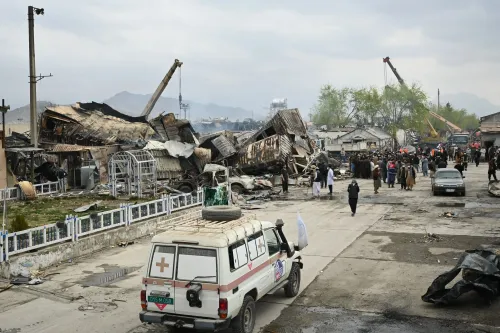
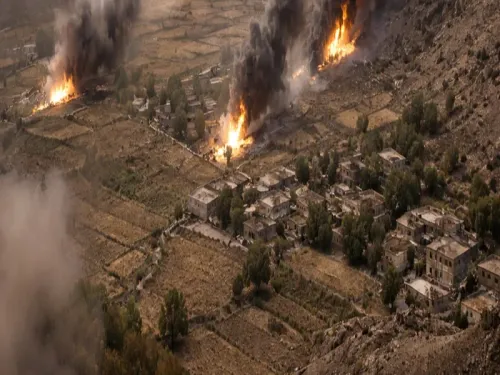
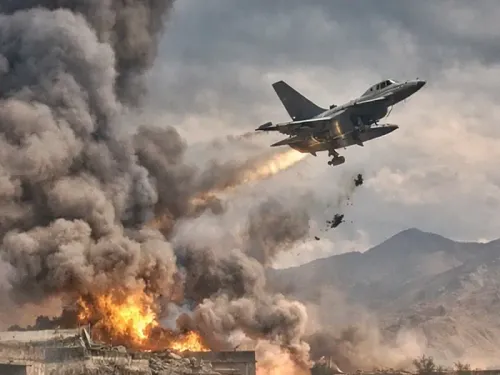
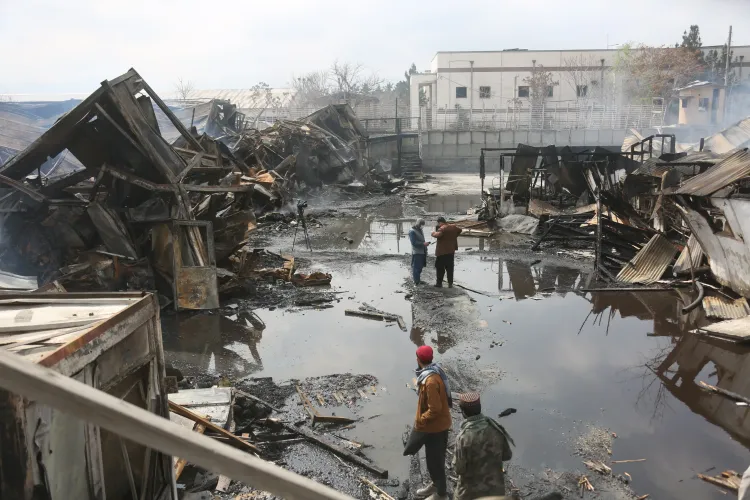
On March 16, a Pakistani airstrike targeted a drug rehabilitation facility in Kabul, resulting in nearly 400 fatalities. This act marks a significant escalation amid weeks of rising military tensions between the neighboring nations along the Durand Line. This incident is part of a broader transformation in the security dynamics of South Asia. If Western nations persist in treating the Pakistan-Afghanistan conflict as peripheral, they risk missing a war that could redefine regional stability and yield consequences that extend well beyond the subcontinent.
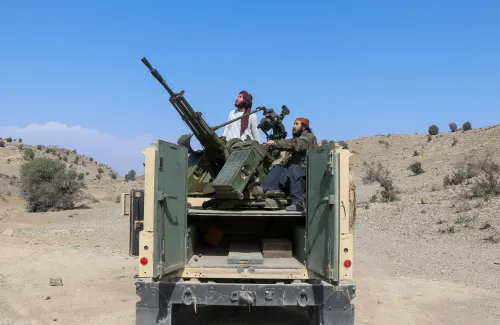
Recently, relations between Islamabad and Kabul have severely deteriorated, with Pakistani authorities labeling the situation an "open war." Pakistan has performed a series of airstrikes within Afghan territory, while the Taliban has retaliated against Pakistani military targets along the border. These confrontations represent the most serious clashes since the Taliban took control of Kabul in August 2021. Yet, the conflict's strategic importance is receiving minimal attention from outside the region.
In recent years, the relationship between Afghanistan and Pakistan has frayed, with Islamabad accusing the Taliban of sheltering militants from the Tehreek-e-Taliban Pakistan (TTP)—an allegation Kabul denies. The Taliban argues that Pakistan’s internal security issues are domestic challenges rather than Afghan conspiracies. The tensions have escalated into a more open confrontation.
According to the United Nations, over 100,000 individuals have been displaced due to the fighting between Afghan and Pakistani forces. In addition to the attack on the Kabul rehabilitation center, Pakistani airstrikes have struck other populated areas in Afghanistan, resulting in civilian casualties. This suggests that Pakistan’s "open war" is not based on actionable intelligence for conducting precise strikes but rather aims to punish a population already suffering under Taliban rule, as noted in the report.
"Should Pakistan be allowed to continue aggressive military operations in Afghanistan without significant diplomatic intervention, the conflict could transform into a prolonged war with severe regional consequences. Such a scenario would not only destabilize Afghanistan but also perpetuate a cycle of coercive state behavior that undermines international norms. For a region already grappling with insurgencies, unstable governments, and nuclear-armed rivalries, the implications would be profound," the Directus report warned.
"Crucially, a destabilized Afghanistan-Pakistan border could once more become a breeding ground for terrorist organizations looking to regroup and rearm. The disintegration of security along the Durand Line could recreate conditions that previously allowed extremist groups to operate freely throughout the region."
Point of View
It's essential to recognize the growing urgency of the situation between Pakistan and Afghanistan. The potential for a prolonged conflict poses significant risks not only to regional stability but also to global peace. Immediate diplomatic intervention is crucial to avert a larger crisis.
NationPress
8 Oct 2026
Frequently Asked Questions
What triggered the recent escalation between Pakistan and Afghanistan?
The recent escalation was triggered by a Pakistani airstrike on a drug rehabilitation center in Kabul, which resulted in nearly 400 deaths.
How many people have been displaced due to the conflict?
According to the United Nations, over 100,000 people have been displaced due to the ongoing fighting between Afghan and Pakistani forces.
What are the implications of a prolonged conflict?
A prolonged conflict could destabilize Afghanistan and create conditions favorable for terrorist organizations to regroup and rearm.
What has been the international response to this conflict?
The international response has been minimal, with calls for greater attention from Western policymakers to prevent further escalation.
What role does the Taliban play in this conflict?
The Taliban is accused by Pakistan of harboring militants from the Tehreek-e-Taliban Pakistan, while they deny these allegations and assert that Pakistan's issues are domestic.