Is China's Role in the Afghanistan-Pakistan Conflict More Symbolic than Effective?
Synopsis
The Afghanistan-Pakistan conflict showcases China's diplomatic challenges, revealing its limitations in conflict management. As violence escalates, the report highlights the need for a reevaluation of China's approach to regional diplomacy. Can China transform its engagement from declarative to impactful?
Key Takeaways
China's diplomatic influence is limited in conflict situations.
Recent violence has highlighted the fragility of Afghanistan-Pakistan relations.
China needs to reassess its diplomatic strategies.
The Durand Line remains a contentious issue.
Economic interests are at stake for China in Afghanistan.
Kabul, Dec 29 (NationPress) The ongoing Afghanistan–Pakistan conflict highlights the limitations of China's diplomatic capabilities. While it effectively finances infrastructure projects, maintains political alliances, and offers strategic support to allied regimes, it faces challenges in conflict management, especially when it comes to directly addressing allies, engaging disparate factions, or navigating nationalist sentiments that resist "transactional solutions", according to a report released on Monday.
The report further states that unless China reevaluates the principles shaping its regional diplomacy—especially its reliance on quiet mediation and the notion that economic incentives can solely resolve political disputes—it may continue to be a significant regional player but will struggle to fulfill the role of a stabilizing force that many anticipate.
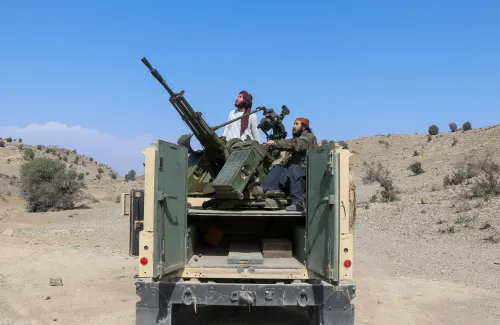
Recent escalations of violence along the Afghanistan–Pakistan border reveal not only the tenuous nature of relations between Kabul and Islamabad but also the limitations of China's influence as a diplomatic actor in the region. Incidents of gunfire near key crossings, Pakistan's airstrikes causing civilian casualties in Afghanistan, Kabul's retaliatory measures, and repeated border closures signify a departure from the sporadic skirmishes of earlier years. Instead, a more entrenched cycle of escalation has emerged, as both nations seek to assert their positions along the contentious Durand Line, a report from Afghanistan's prominent news outlet, Khaama Press Agency, noted.
A fundamental impasse underpins this confrontation, resisting external mediation efforts. Pakistan demands that the Taliban take decisive measures against the Tehreek-e-Taliban Pakistan (TTP), which is alleged to operate from Afghan territory. Conversely, the Taliban have either been unwilling or unable to comply with Pakistan’s demands for substantial enforcement, as any large-scale crackdown could lead to internal divisions within the Taliban, whose stability relies on a fragile balance among competing factions.
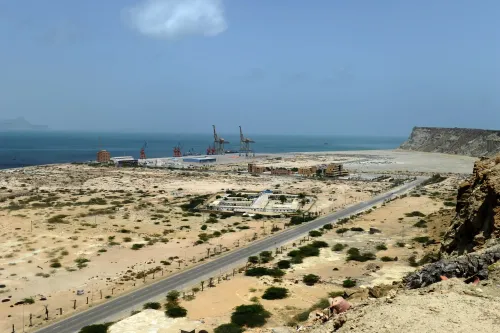
According to the report, with economic and strategic interests such as the China–Pakistan Economic Corridor (CPEC) and emerging projects in Afghanistan, sustained instability along the border presents a significant concern for Beijing. While China possesses access to key decision-makers and the potential to promote de-escalation, its actual influence has proven to be quite limited.
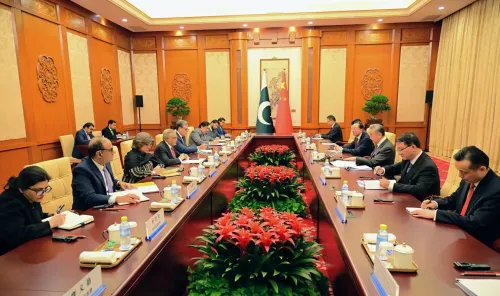
China's responses have largely followed a familiar pattern: urging restraint, promoting dialogue, and expressing a willingness to play a "constructive role" if requested. However, it has yet to initiate or lead a meaningful trilateral mechanism to address the root causes of the crisis. Its preference for discreet, behind-the-scenes diplomacy has failed to change the strategic calculations of either Kabul or Islamabad. The cycle of violence continues unabated, grievances have intensified, and China’s engagement remains more declaratory than transformative.
Point of View
It is crucial to recognize that China's engagement in the Afghanistan-Pakistan conflict, while significant, appears to be more ceremonial than effective. The ongoing violence and diplomatic challenges illustrate the need for a more robust and proactive approach to fostering stability in the region.
NationPress
24 Sept 2026
Frequently Asked Questions
What are the main challenges China faces in the Afghanistan-Pakistan conflict?
China encounters limitations in conflict management, particularly in confronting allies and engaging fragmented political actors while navigating nationalist sentiments that resist transactional solutions.
How has the recent violence affected China’s role?
The recent escalations have underscored the fragility of relations between Afghanistan and Pakistan, revealing China's limited influence in addressing the ongoing conflict.
What strategic interests does China have in Afghanistan?
China has significant economic and strategic interests in Afghanistan, including projects like the China-Pakistan Economic Corridor (CPEC) and emerging mining and connectivity initiatives.
What does the report suggest about China's diplomatic approach?
The report suggests that unless China revises its diplomatic strategies, particularly the reliance on economic incentives and quiet mediation, it will struggle to become a stabilizing force in the region.
What is the current situation along the Afghanistan-Pakistan border?
The border has seen renewed violence, with exchanges of fire, airstrikes resulting in civilian casualties, and an escalating cycle of confrontation between Kabul and Islamabad.