Is Pakistan’s Military-Driven Foreign Policy Undermining Regional Stability?
Synopsis
As tensions rise in South Asia due to Pakistan's military policy, the region faces violence and humanitarian crises. This report highlights how military-driven diplomacy is failing to secure peace and stability. Can Pakistan's military-led approach be revised for better regional relations?
Key Takeaways
Pakistan's military-driven policy is causing regional instability.
Increased violence and humanitarian crises are evident.
Diplomatic efforts have largely failed.
The Taliban's governance has complicated relations.
Future peace depends on a shift in strategy.
Islamabad, Dec 29 (NationPress) The South Asian region is entering a precarious phase characterized by violent confrontations, increased refugee movements, and entrenched cycles of retribution fueled by Pakistan's military leadership, according to a report released on Monday.
The report asserts that the Afghanistan-Pakistan conflict has been primarily shaped and perpetuated by a military-guided diplomatic framework that sidesteps accountability and thrives amidst disorder.
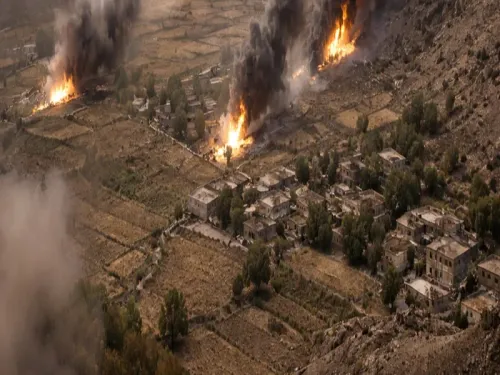
As reported by the ‘Asian News Post’, the military-driven strategy of Islamabad has not only failed to secure Pakistan’s borders and protect its citizens but has also failed to foster international goodwill. Instead, it has led to widespread suffering, humanitarian crises, and instability across the region.
“The ongoing conflict between Afghanistan and Pakistan is not merely a dispute between two neighboring countries. It stems from a military-led diplomatic approach in Pakistan that is rooted in crisis, force, and national-security rhetoric rather than genuine dialogue. Four years post the Taliban takeover in Kabul, the same military and intelligence entities in Pakistan that initially embraced them are now attributing cross-border violence to the Taliban, prompting Afghan refugees to flee Pakistan and launching air strikes and shelling within Afghanistan,” the report notes.
This trend of predominantly one-sided violence highlights not only the shortcomings of Pakistan’s Afghanistan policy but also a more profound structural issue—when the military dominates foreign policy, peace becomes less a goal and more an obstacle.
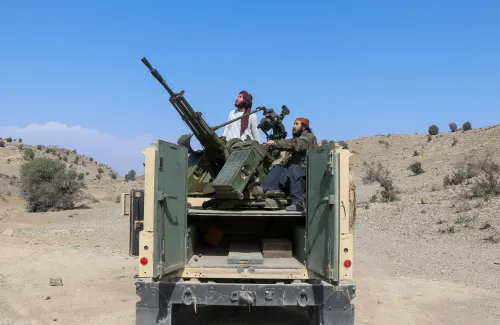
“In August 2021, many analysts anticipated that a Taliban-led Afghanistan would provide Pakistan with a valuable ally in the region. The Pakistani military perceived advantages in diminished border tensions, enhanced regional influence, and a favorable government in Kabul. Some within Pakistan's security circles openly celebrated the Taliban's resurgence as a triumph of the longstanding 'strategic depth' doctrine. However, the unfolding reality starkly contrasts those expectations,” it explains.
By the conclusion of 2025, Pakistan began accusing the Taliban administration of harboring militants responsible for suicide bombings and attacks on its territory, including assaults by the Tehrik-e-Taliban Pakistan (TTP). These accusations intensified violence and further diminished trust between the two parties.
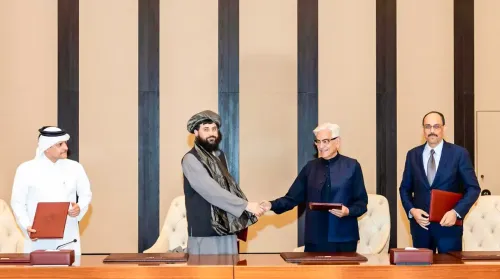
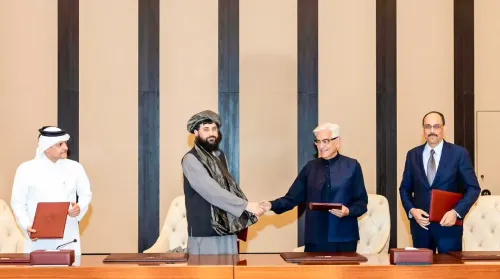
The report emphasizes that violence erupted despite renewed peace negotiations in Saudi Arabia involving representatives from both sides. These discussions quickly fell apart, failing to mend the deep-rooted distrust and reciprocal blame.
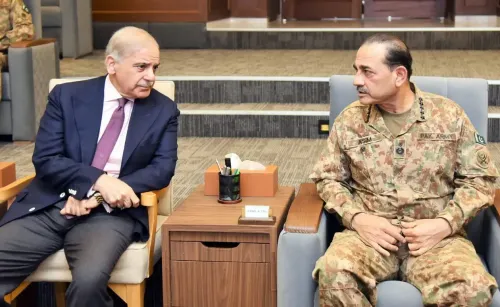
“This pattern reveals a harsh reality: the military-led policy of Pakistan regarding Afghanistan has utterly failed to achieve peace with the Taliban over the past four years. It seems that Rawalpindi aims to project strength, orchestrating crises and employing conflict to justify its ongoing dominance in the country. Field Marshal Syed Asim Munir recently cautioned the Taliban to choose between amicable relations with Islamabad or backing 'terrorist groups', a thinly veiled threat that underscores how coercion trumps diplomacy in Pakistan,” the report concludes.
Point of View
The ongoing crisis necessitates a reevaluation of Pakistan's military-led foreign policy. The nation must prioritize diplomatic engagement over coercive tactics to foster peace and stability in the region.
NationPress
19 Sept 2026
Frequently Asked Questions
What has been the impact of Pakistan's military-driven foreign policy?
The policy has led to increased violence, humanitarian crises, and instability in the region, with accusations against the Taliban further escalating tensions.
How has the Taliban's rise affected Pakistan?
Initially seen as a strategic ally, the Taliban's governance has resulted in cross-border violence and deteriorating relations between the two nations.
What role does military leadership play in Pakistan's diplomacy?
Military leadership often prioritizes security concerns and crisis management over effective diplomatic dialogue, hindering peace efforts.
Are there ongoing peace negotiations between Afghanistan and Pakistan?
Yes, but recent talks have collapsed due to deep-seated distrust and mutual blame, failing to yield any significant progress.
What is the future outlook for Pakistan-Afghanistan relations?
Unless there is a shift towards more constructive diplomacy, the outlook remains bleak, with continued violence and instability likely.