Pakistan's Afghan Strategy Faces Backlash Amid Rising Conflict
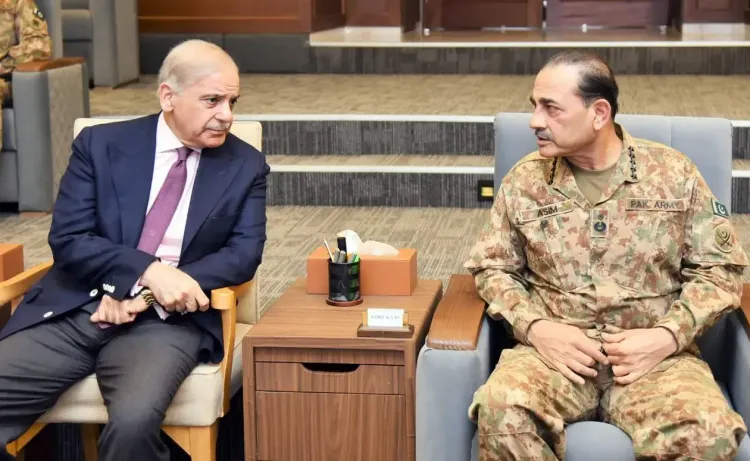
Synopsis
In a striking turn of events, Pakistan's Afghan strategy, initially aimed at regional dominance, has led to an escalating open conflict, with the TTP gaining ground and Afghan refugees fleeing in droves. This report reveals the complexities and unintended consequences of Islamabad's policies.
Key Takeaways
Pakistan's Afghan strategy has evolved into an open conflict.
The TTP is gaining strength amid rising violence.
Over 1.5 million Afghan refugees have been expelled.
International criticism of Pakistan's policies is intensifying.
Diplomatic engagement is crucial for resolution.
Washington, March 14 (NationPress) Pakistan's approach towards Afghanistan, which has historically been influenced by the strategy of seeking strategic depth against India, has devolved into a pronounced open conflict as the Tehreek-e-Taliban Pakistan (TTP) gains strength, Afghan refugees are forced to flee, and international condemnation escalates.
As stated in a report from ‘One World Outlook’, Pakistan's strategy of supporting the Taliban to achieve compliance has backfired significantly. The Taliban's assertions of sovereignty and its ties to the TTP have further complicated the diplomatic ties between the two.
“Pakistan played a pivotal role in the Taliban’s ascendance, providing refuge to its leaders and relying on a cooperative Kabul to neutralize militants and counter threats from India. The 2021 takeover was expected to yield benefits, but instead, the TTP, which shares ideological similarities, launched attacks from Afghan territories. By 2025, TTP assaults devastated Khyber Pakhtunkhwa, resulting in numerous casualties; early 2026 alone saw 37 attacks across nine districts. The Taliban's inaction, perceiving the TTP as Pakistan’s issue, led to coercive measures: border closures severely impacted Afghan trade, while airstrikes on February 22 targeted seven TTP/ISKP camps in Nangarhar and Paktika, resulting in 80 militant fatalities,” the report elaborated.
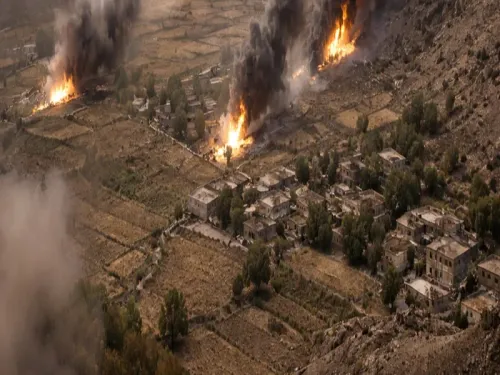
“The civilian death toll, which included 18 fatalities, was sparked by outrage. Afghanistan retaliated on February 26 with drone strikes and clashes throughout Kandahar and Nuristan, capturing outposts and reportedly killing 55 Pakistanis, as claimed by Kabul. Subsequently, Pakistan initiated Operation Ghazab Lil Haq, executing 46 airstrikes targeting Kabul, Kandahar, and Paktia, and seizing control over 32 square kilometers in the Ghudwana enclave,” it noted.
Pakistan’s Defence Minister Khawaja Asif announced an “open war” as hostilities continued into March, with reports of drones being downed and approximately 150 Taliban fighters being killed amid increasing tensions.
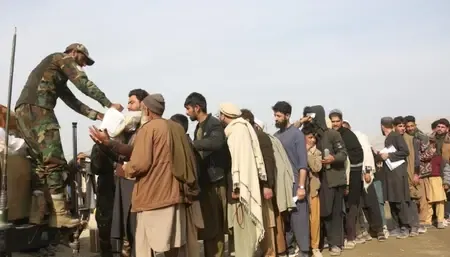
“Alongside the military assault, Pakistan’s deportation campaign has expelled over 1.5 million Afghans since 2023, exacerbating the crisis. Targeting 1.4 million PoR holders, it employs raids, bribery, and camp demolitions, placing returnees at risk from the Taliban. Amnesty International condemned the 'unlawful' deportations in January 2026, documenting 115,000 arrests; Human Rights Watch raised concerns about the risks of persecution amid Afghanistan’s oppressive climate,” the report detailed.
“The escalation has led to the displacement of thousands in border provinces, with the UN reporting 110 civilian deaths by March 4. Deportees are fueling TTP recruitment, depleting Pakistan’s workforce and driving up costs in an already fragile economy,” it added.
The report further stated, “Islamabad must seek to de-escalate tensions: engaging in multilateral TTP discussions, ensuring refugee protections, and enhancing economic relations. Coercive actions have resulted in backlash; pragmatic approaches are essential before the situation ignites regionally.”
Point of View
The situation underscores the consequences of misguided foreign policy. Pakistan's historical reliance on strategic depth has backfired, necessitating a shift towards diplomacy and cooperative regional engagement to stabilize the situation.
NationPress
29 Sept 2026
Frequently Asked Questions
What is Pakistan's Afghan policy?
Pakistan's Afghan policy has traditionally focused on maintaining strategic depth against India by supporting the Taliban, which has led to unintended consequences such as the rise of the TTP.
Why are Afghan refugees fleeing Pakistan?
Afghan refugees are fleeing due to escalating violence, including TTP attacks and Pakistan's deportation campaigns, which have put their safety at risk.
What has been the international response to Pakistan's actions?
There has been increasing global criticism of Pakistan's Afghan policy, particularly concerning human rights violations and the handling of Afghan refugees.
What steps can Pakistan take to resolve the crisis?
Pakistan needs to engage in multilateral talks regarding the TTP, ensure the protection of refugees, and improve economic ties to de-escalate tensions.