India alone condemns Pakistan's Afghan strikes at UN amid diplomatic reset
Synopsis
While the world stayed silent, India alone publicly condemned Pakistan's air strikes on Afghan territory at the UN — and is simultaneously deepening ties with the Taliban at a pace unseen since Kabul's 2021 takeover. Four Taliban ministerial visits to India in nine months signals a calculated New Delhi pivot as Islamabad's 'strategic depth' doctrine collapses in real time.
Key Takeaways
India is the only country to publicly condemn Pakistan's air strikes on Kunar, Paktia, and Paktika provinces in late June 2025 and continues to raise the issue at the UN .
Pakistan launched the strikes alleging TTP sanctuaries in Afghanistan; the Taliban rejects the charge as interference.
A UAE -facilitated meeting between Foreign Secretary Vikram Misri and Taliban FM Amir Khan Muttaqi in Dubai on 8 January 2025 marked a diplomatic turning point.
Taliban FM Muttaqi made a six-day visit to India in October 2025 — the first by a senior Taliban minister — after a UN travel ban was temporarily lifted.
India has hosted four Taliban ministerial visits in the past nine months , according to the MEA .
The Taliban refuses to recognise the Durand Line as a permanent border, deepening the Pakistan–Afghanistan rift.
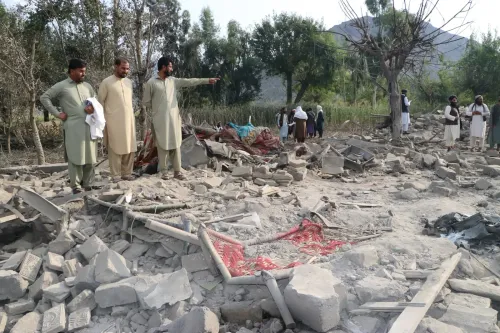
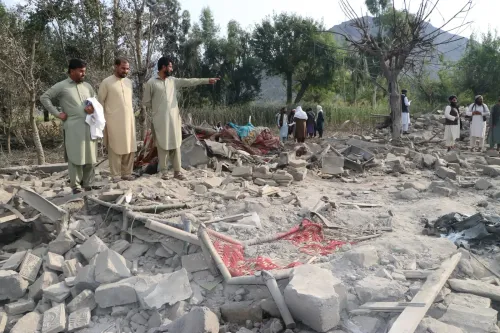
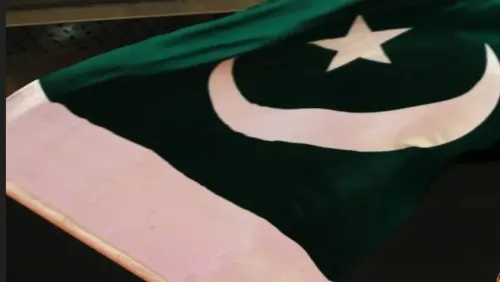
India has emerged as the only country to publicly denounce Pakistan's cross-border air strikes on the Afghan provinces of Kunar, Paktia, and Paktika carried out in late June 2025, and continues to raise the issue at the United Nations, according to a report by The Diplomat. New Delhi's lone stance at the UN underscores a significant strategic repositioning toward Taliban-governed Afghanistan at a moment when Islamabad–Kabul relations are at a historic low.
Pakistan's Strikes and the International Silence
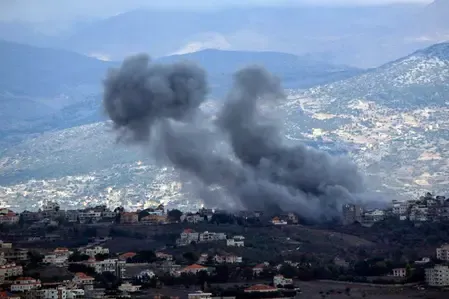
Pakistan's air strikes on Afghan territory in late June drew near-universal silence from the international community — with India as the sole exception to publicly condemn the action. New Delhi has maintained its criticism of the strikes at the UN, a posture that sets it apart from other regional and global powers. The strikes were reportedly launched on the grounds that the Tehreek-e-Taliban Pakistan (TTP) operates from sanctuaries inside Afghanistan, a charge the Taliban administration in Kabul flatly rejects, insisting the TTP is Pakistan's internal problem.
Pakistan–Afghanistan: From Strategic Depth to Strategic Friction
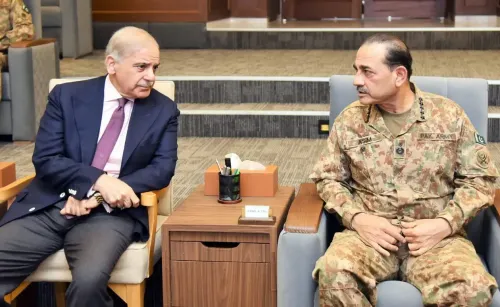
For decades, Pakistan pursued a doctrine of 'strategic depth' in Afghanistan — cultivating a pliant government in Kabul to secure its western flank. That calculus has unravelled since the Taliban's return to power in August 2021. The Taliban regime has since asserted its independence, refused to recognise the Durand Line as a permanent international border, and rejected what it characterises as Pakistani interference in Afghan affairs, according to The Diplomat. Notably, Pakistan was widely regarded as the Taliban's closest ally and principal backer from 1996 until the group's Kabul takeover — making the current rupture all the more consequential.
India's Strategic Recalibration with the Taliban
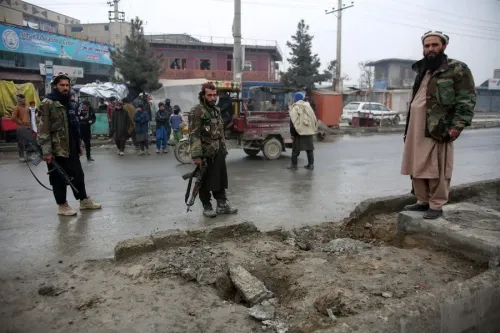
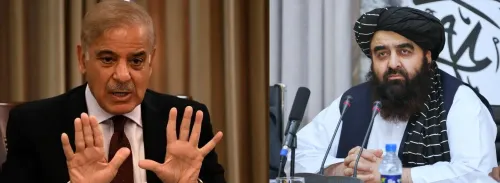
The report highlights that New Delhi's approach toward the Taliban has undergone a visible strategic recalibration since early 2025. A landmark moment came on 8 January 2025, when the United Arab Emirates (UAE) facilitated a meeting in Dubai between Foreign Secretary Vikram Misri and Taliban Foreign Minister Amir Khan Muttaqi. The report described the meeting as 'a major diplomatic milestone, as the relationship between New Delhi and Taliban-controlled Kabul began to take a positive turn.'
Prior to that, in November 2024, Ministry of External Affairs (MEA) Joint Secretary J P Singh had been the senior-most Indian official to hold discussions with Taliban figures, including Muttaqi and Defence Minister Mohammad Yaqoob.
A String of Taliban Ministerial Visits to India
Diplomatic momentum has since accelerated sharply. In October 2025, Muttaqi travelled to India for a six-day visit — the first by a senior Taliban minister to Indian soil. A UN committee temporarily lifted a travel ban on Muttaqi to enable the trip. Following the visit, India handed over the Afghan Embassy in New Delhi to the Taliban and dispatched a chargé d'affaires to its former mission in Kabul.
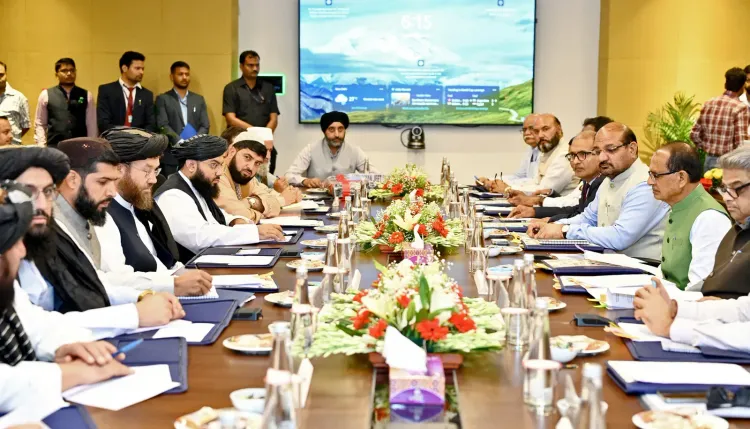
In January 2026, the Taliban's senior foreign ministry official, Mufti Noor Ahmad Noor, arrived in New Delhi to assume charge as the chargé d'affaires of the Afghan Embassy. Most recently, Taliban Minister of Agriculture, Irrigation and Livestock Mawlawi Ataullah Omari visited India with a high-level delegation from 7 to 12 July — the fourth ministerial-level visit in the past nine months. The MEA has described the series of engagements as 'reflecting the continued momentum in bilateral engagement.'
What This Means for the Region
India's public condemnation of Pakistan's strikes — and its deepening ties with the Taliban — represent a calculated repositioning in South and Central Asian geopolitics. This comes amid a broader pattern: as Pakistan loses influence in Kabul, India is methodically filling the diplomatic vacuum. Whether the Taliban translates these engagements into concrete cooperation on connectivity, trade, or counter-terrorism remains to be seen.
Point of View
Intelligence cooperation on cross-border militancy, and a counterweight to the China–Pakistan axis. The window is real, but so is the risk of overreach in a country that has historically resisted outside patrons.
NationPress
17 Oct 2026
Frequently Asked Questions
Why is India the only country condemning Pakistan's air strikes in Afghanistan?
India has publicly condemned Pakistan's cross-border air strikes on the Afghan provinces of Kunar, Paktia, and Paktika at the United Nations, making it the sole country to do so, according to a report by The Diplomat. This stance aligns with New Delhi's broader strategic recalibration toward Taliban-governed Afghanistan and its interest in countering Pakistani influence in the region.
What triggered Pakistan's air strikes on Afghanistan in June 2025?
Pakistan launched the strikes alleging that the Tehreek-e-Taliban Pakistan (TTP) operates from sanctuaries inside Afghan territory and carries out attacks within Pakistan. The Taliban administration in Kabul rejects this, insisting the TTP is Pakistan's internal problem and that Islamabad should not interfere in Afghan affairs.
How has India's relationship with the Taliban evolved since 2021?
India's engagement with the Taliban has accelerated significantly since early 2025. A UAE-facilitated meeting between Foreign Secretary Vikram Misri and Taliban FM Amir Khan Muttaqi in Dubai on 8 January 2025 marked a turning point. Since then, India has hosted four Taliban ministerial visits in nine months, handed over the Afghan Embassy in New Delhi to the Taliban, and sent a chargé d'affaires to Kabul.
What is the significance of Muttaqi's visit to India in October 2025?
Taliban Foreign Minister Amir Khan Muttaqi's six-day visit to India in October 2025 was the first by a senior Taliban minister to Indian soil. A UN committee temporarily lifted a travel ban on Muttaqi to facilitate the trip, underscoring the diplomatic weight both sides attached to the engagement.
Why have Pakistan–Afghanistan relations deteriorated since 2021?
Pakistan long pursued a 'strategic depth' policy, seeking a friendly government in Kabul to secure its western border. Since the Taliban's return to power in August 2021, that strategy has backfired: the Taliban refuses to recognise the Durand Line as a permanent international border and rejects Pakistani interference, while blaming Islamabad for the TTP problem rather than cooperating against it.