Afghan UN mission condemns Pakistan airstrikes, demands immediate halt
Synopsis
Pakistan's airstrikes on Afghan provinces killed 36 civilians and injured 163 on 28 June — and now Afghanistan's UN mission is demanding accountability at the world's highest diplomatic forum. With international bodies piling on and Jan Egeland of the Norwegian Refugee Council urging dialogue, the Pakistan-Taliban confrontation is fast becoming a global humanitarian flashpoint.
Key Takeaways
Pakistani airstrikes on 28 June 2025 hit the Afghan provinces of Paktia , Paktika , and Kunar , killing 36 civilians and injuring 163 others .
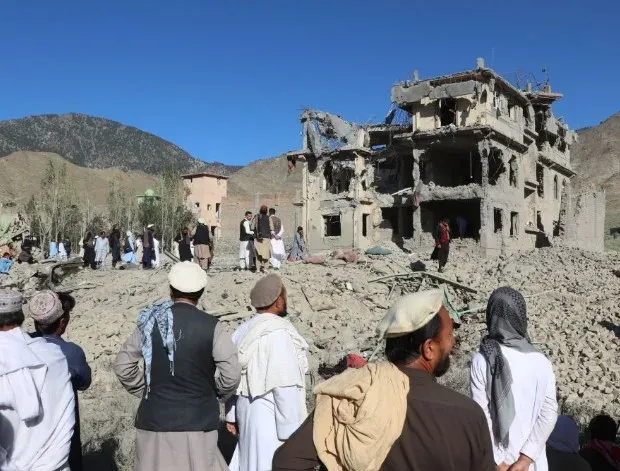
Afghanistan's Permanent Mission to the UN condemned the strikes on 30 June , calling them a 'serious violation of Afghanistan's territorial integrity.' Three residential houses were completely destroyed; victims included women and children.
Jan Egeland of the Norwegian Refugee Council urged Pakistan and the Taliban to resolve differences through dialogue.
Displaced International called on Pakistan to immediately cease all military actions endangering Afghan civilians.
The Afghan mission urged the UN and international community to prevent further escalation and protect civilian lives.
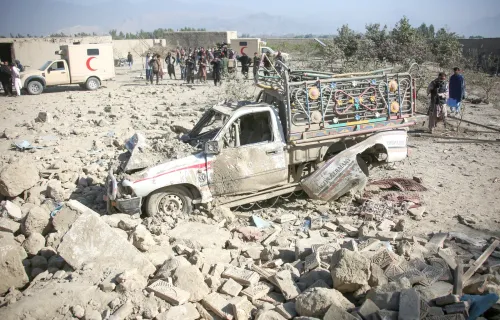
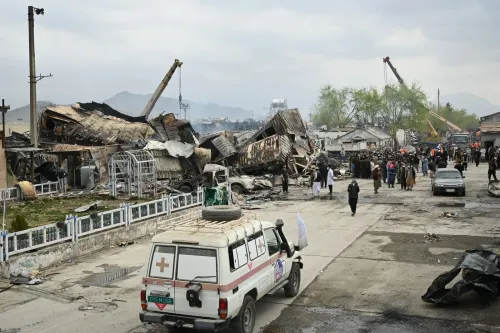
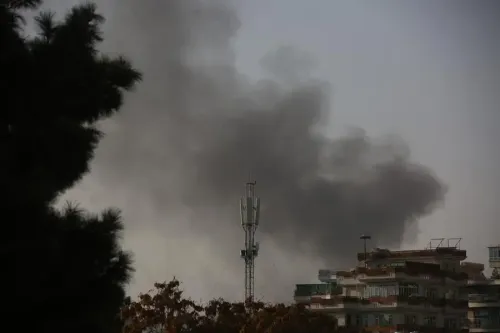
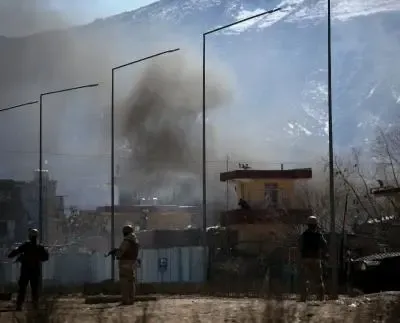
Afghanistan's Permanent Mission to the United Nations on 30 June 2025 strongly condemned Pakistani airstrikes on the Afghan provinces of Paktia, Paktika, and Kunar, calling for an immediate cessation of all military operations on Afghan territory and full accountability for violations of international law. The strikes, carried out on the night of 28 June, killed 36 civilians and injured 163 others, according to Taliban Deputy Spokesman Hamdullah Fitrat, who confirmed the toll on Monday.
What the Afghan Mission Said at the UN
In a formal statement, the Afghan mission declared that the attacks constitute 'a serious violation of Afghanistan's territorial integrity and are inconsistent with international law, including the Charter of the United Nations.' It emphasised that no security concern can justify military operations resulting in civilian casualties or breaching another state's territorial sovereignty. The mission added that 'the protection of civilians must remain paramount under all circumstances.'
The mission also drew a sharp distinction between the Taliban administration and Afghan civilians, noting that the Afghan people 'must not become victims of military confrontation arising from counterterrorism allegations and tensions involving the Taliban and Pakistan.' It described the continued suffering of Afghan civilians as 'unacceptable' and warned against its normalisation.
Scale of Destruction on the Ground
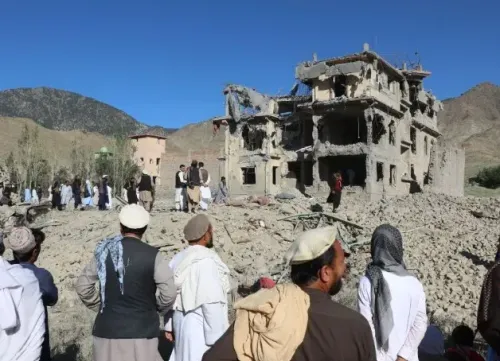
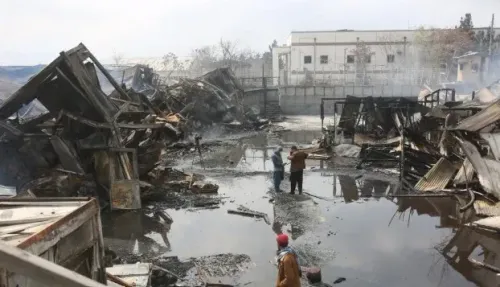
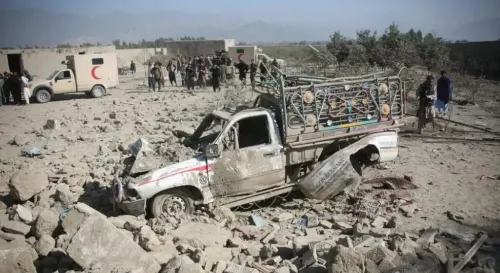
Beyond the human toll, the strikes reportedly resulted in the complete destruction of three residential houses in the affected provinces. The victims included women and children, according to the Afghan mission's account. The provinces of Paktia, Paktika, and Kunar — located in eastern Afghanistan along the Pakistan border — have historically been flashpoints in the Pakistan-Afghanistan security dispute, particularly over the presence of militant groups such as the Tehrik-i-Taliban Pakistan (TTP).
International Condemnation Mounts
Jan Egeland, Secretary General of the Norwegian Refugee Council (NRC), expressed concern over the strikes and urged both sides to pursue dialogue. 'Civilians and civilian infrastructure must never be targeted. We urge both Pakistani and Afghan military forces to uphold international humanitarian law and work to resolve their disputes through dialogue,' Egeland said in a post on X.
Displaced International also condemned the attacks, calling on Pakistan to immediately cease airstrikes and all military actions in Afghanistan that kill, injure, or endanger civilians. The organisation warned that such actions 'risk deepening displacement, aggravating humanitarian needs, and further destabilising communities already devastated by decades of conflict.' It invoked the principles of distinction, proportionality, precaution, and accountability under international humanitarian law.
Broader Context and What Comes Next
The strikes come against the backdrop of escalating tensions between Pakistan and the Taliban administration over cross-border militant activity. Pakistan has previously conducted airstrikes inside Afghan territory citing counterterrorism imperatives — a justification the Afghan mission explicitly rejected. Afghanistan's mission urged the United Nations and the international community to reaffirm the principles of the UN Charter, insist on respect for Afghanistan's territorial integrity, and work urgently to prevent further escalation. With the humanitarian situation in Afghanistan already dire, observers warn that continued military confrontation risks compounding one of the world's most acute displacement crises.
Point of View
Displacement, and international censure. The Afghan mission's pointed separation of Afghan civilians from the Taliban administration is diplomatically significant: it signals that even those opposed to the Taliban reject the logic of collective punishment. What is missing from this episode is any credible de-escalation mechanism — the UN has been urged to act, but the Security Council's structural constraints make binding intervention unlikely. The real risk is that each Pakistani strike and Taliban counter-provocation locks both sides deeper into a cycle that humanitarian organisations are powerless to break.
NationPress
29 Sept 2026
Frequently Asked Questions
What happened in the Pakistani airstrikes on Afghanistan on 28 June 2025?
Pakistani military airstrikes on the night of 28 June 2025 targeted Afghan provinces of Paktia, Paktika, and Kunar, killing 36 civilians and injuring 163 others, according to Taliban Deputy Spokesman Hamdullah Fitrat. Three residential houses were completely destroyed, and victims included women and children.
Why did Afghanistan's UN mission condemn the Pakistan airstrikes?
Afghanistan's Permanent Mission to the UN condemned the strikes as a serious violation of Afghanistan's territorial integrity and inconsistent with international law, including the UN Charter. The mission argued that no security concern justifies military operations that result in civilian casualties or breach another state's sovereignty.
What did Jan Egeland of the Norwegian Refugee Council say about the strikes?
Jan Egeland, Secretary General of the Norwegian Refugee Council, called on both Pakistan and the Taliban to resolve their differences through dialogue. He stated that civilians and civilian infrastructure must never be targeted and urged both sides to uphold international humanitarian law.
What is the background to Pakistan-Afghanistan military tensions?
Pakistan and the Taliban administration have been locked in escalating tensions over cross-border militant activity, particularly linked to the Tehrik-i-Taliban Pakistan (TTP). Pakistan has previously conducted strikes inside Afghan territory citing counterterrorism imperatives, a justification the Afghan UN mission has explicitly rejected.
What has the international community been asked to do?
Afghanistan's UN mission has urged the United Nations and the international community to reaffirm UN Charter principles, insist on respect for Afghanistan's territorial integrity, and work urgently to prevent further escalation. Displaced International separately called on Pakistan to immediately cease all airstrikes endangering Afghan civilians.