Escalating Military Actions by Pakistan in Afghanistan May Lead to Serious Regional Fallout
Synopsis
A recent report warns that Pakistan's military operations in Afghanistan, if left unchecked, could spiral into a prolonged conflict, destabilizing the region and triggering a humanitarian crisis. This situation demands immediate international attention to prevent further escalation.
Key Takeaways
Pakistan's military actions in Afghanistan are escalating.
Recent airstrikes have caused significant civilian casualties.
The humanitarian crisis is intensifying due to forced repatriations of Afghan refugees.
Western nations risk overlooking a potential regional conflict.
International diplomatic intervention is critical to prevent further escalation.
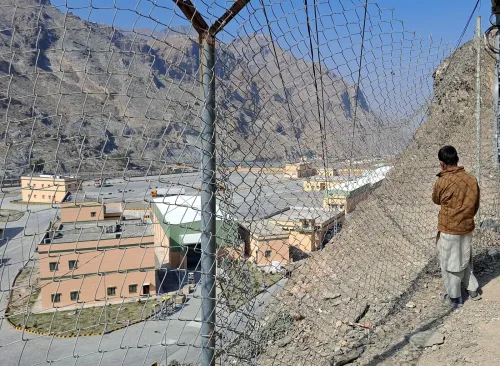
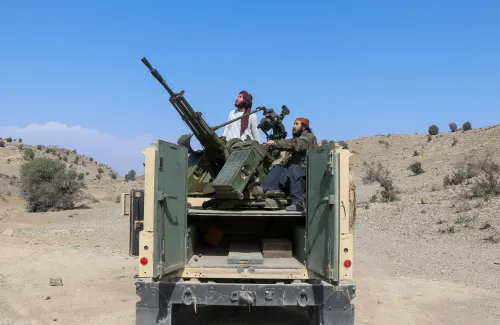
Washington, March 21 (NationPress) The ongoing military actions by Pakistan in Afghanistan, if not countered by effective diplomatic efforts, risk escalating the conflict into a drawn-out war with serious regional repercussions. This situation threatens to destabilize Afghanistan and foster a cycle of coercive behavior that undermines international standards, according to a report released on Saturday.
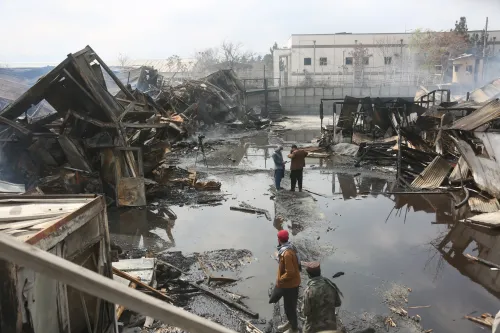
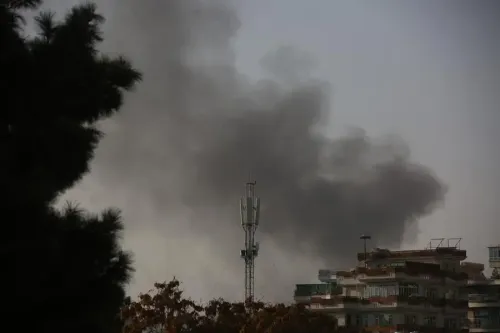
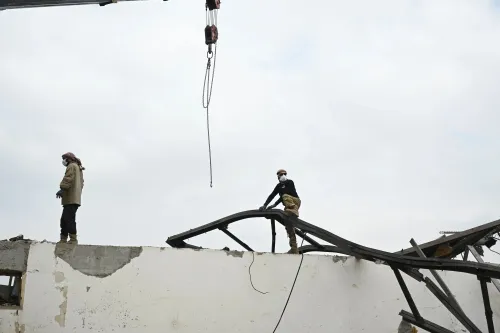
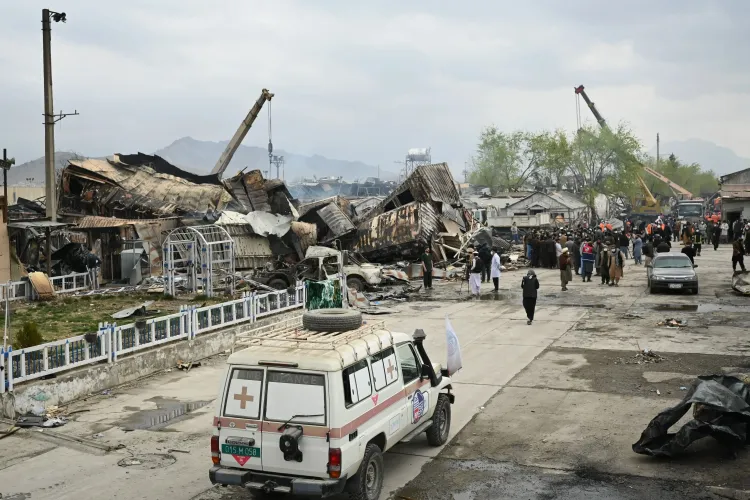
“While the global spotlight is on the joint military operations between the US and Israel in the Middle East, a more destabilizing conflict is gradually emerging in South Asia. On March 16, a Pakistani airstrike targeted a drug rehabilitation facility in Kabul, resulting in the deaths of approximately 400 civilians, marking a significant escalation in the ongoing military tensions along the 2,600-kilometer Durand Line,” stated Siddhant Kishore, a national security and foreign policy analyst based in Washington, in his article for ‘The Cipher Brief’.
“This incident is not an isolated case but reflects a broader transformation in the security dynamics of South Asia. The region's most volatile tensions no longer align with the Line of Control in Kashmir; instead, they are shifting to the increasingly militarized boundary between Pakistan and Afghanistan. If Western nations continue to regard this conflict as secondary, they risk ignoring a war that could drastically alter regional stability and cause repercussions that extend far beyond the subcontinent,” he added.
The report highlights that the ramifications of this conflict reach well beyond military engagements, with Pakistan's actions towards Afghanistan instigating a severe humanitarian crisis that jeopardizes regional stability.
“In the past two years, Pakistan has initiated one of the largest forced repatriation campaigns in recent times, sending millions of Afghan refugees who had resided in the country for decades back to Afghanistan. Many Afghan families have been compelled to abandon their homes, businesses, and properties built over generations. These deportations coincide with escalating cross-border violence, creating a perilous mix of displacement and instability,” the expert elaborated.
“Returning refugees are arriving in a country already grappling with economic collapse, international isolation, and fragile governance under the hardline Taliban regime. The sudden influx of returnees is placing tremendous strain on Afghanistan's scarce resources while exacerbating animosity towards Islamabad,” he emphasized.
The report underscores that large-scale displacements from Afghanistan historically lead to migration towards the Middle East and Europe, thus creating a direct interest for Western governments in averting further escalations.
“More broadly, Pakistan's intensifying conflict with Afghanistan threatens to escalate a bilateral dispute into a larger regional crisis. The current timing of this conflict is particularly perilous. With global focus directed towards the Middle East, the evolving security situation in South Asia is receiving insufficient attention. This diversion allows Islamabad's aggressive strategies to unfold with minimal international scrutiny,” it concluded.
Point of View
Highlighting the potential ramifications for regional stability and humanitarian conditions. It stresses the need for international diplomatic intervention to prevent further deterioration.
NationPress
24 Sept 2026
Frequently Asked Questions
What recent military actions have been taken by Pakistan in Afghanistan?
Pakistan has conducted aggressive military operations, including an airstrike on a drug rehabilitation center in Kabul that reportedly killed nearly 400 civilians.
What are the potential consequences of these military actions?
If left unchecked, these actions could escalate into a prolonged conflict that destabilizes Afghanistan and the surrounding region, leading to a humanitarian crisis.
How have Afghan refugees been affected by Pakistan's actions?
Pakistan has initiated large-scale repatriation of Afghan refugees, forcing millions to return to Afghanistan amidst rising violence, exacerbating the humanitarian situation.
Why is international attention critical in this situation?
International diplomatic pressure is essential to mitigate the conflict and address the humanitarian crisis, preventing a broader regional fallout.
What historical patterns are associated with large-scale displacements?
Historically, large-scale displacements from Afghanistan have often led to migration towards the Middle East and Europe, impacting global political dynamics.