Is Pakistan Confronting a Complex Reality Along the Durand Line?
Synopsis
A recent report explores the rising public dissatisfaction in Pakistan regarding military involvement and security issues, presenting a compelling view of the ongoing turmoil along the Durand Line that challenges the nation’s stability.
Key Takeaways
Public Dissatisfaction: Growing discontent with military involvement and security issues.
Strategic Blowback: Policies intended for stability have resulted in adverse outcomes.
Taliban Dynamics: Evolving relationship from ally to adversary.
Economic Pressures: Strains on military resources and economic initiatives.
Regional Rivalries: Challenges from India and Afghanistan complicate security strategies.
Washington, Nov 3 (NationPress) The rising dissatisfaction regarding the military's significant involvement and perceived security deficiencies is pushing the limits of public tolerance in Pakistan, as highlighted by a recent report. The document underscores the intensifying conflict along the Durand Line, noting that what was intended as a strategy for a stable western border—often called the doctrine of strategic depth—seems to have yielded contrary results.
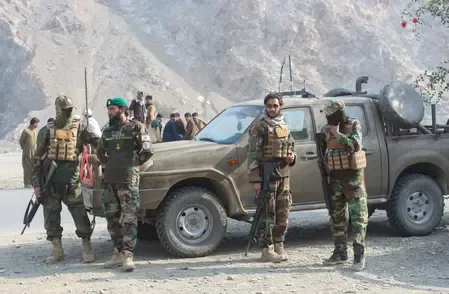
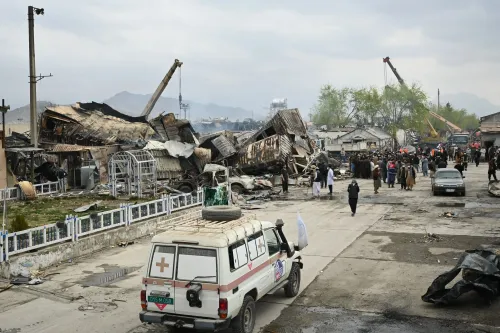
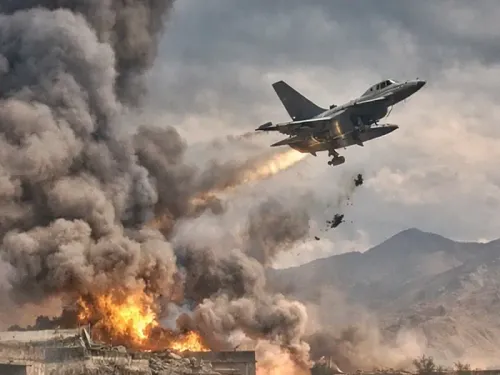
The Durand Line remains a disputed boundary that Afghanistan has never officially recognized, which continues to cause instability in the region, according to a report from the US-based Eurasia Review. Various sources have suggested that Pakistan has conducted air operations targeting areas around Kabul, actions that have escalated cross-border tensions. In retaliation, the Taliban have reportedly executed counterstrikes, leading to armed confrontations between the two nations.
The report asserts that Pakistan was one of the first countries to diplomatically recognize the original Taliban regime in the 1990s, showing Islamabad’s political alignment with the movement that had emerged as a dominant force in Afghanistan. Following the Taliban’s resurgence in Kabul in 2021, Pakistan welcomed the event publicly, framing it as a potential strategic advantage that could bolster regional stability and enhance its influence along its western border.
However, in the years since, this perceived asset has increasingly been seen as a source of growing security concerns for Pakistan itself. Analysts have described this shift as a classic case of strategic blowback, where policies aimed at achieving geopolitical benefits end up producing unintended and negative outcomes. In this scenario, the Taliban, once viewed as a strategic ally, have transformed into a complex and at times adversarial entity, highlighting the inherent volatility of Pakistan’s regional security calculations.
The report notes that for decades, Pakistan has seemingly been engaged in a strategic “double game” concerning its policy towards Afghanistan and the militant factions operating in the region. Pakistan's approach in Afghanistan has prominently involved publicly supporting the US fight against terrorism while covertly aiding the Taliban to advance its own security goals. This longstanding support was aimed at increasing Pakistan's regional influence and establishing a cooperative government in Kabul. However, in recent years, the Taliban has asserted its independence, and its objectives no longer align with those of Pakistan.
Current analyses indicate that Pakistan now confronts substantial challenges from entities it once attempted to control.
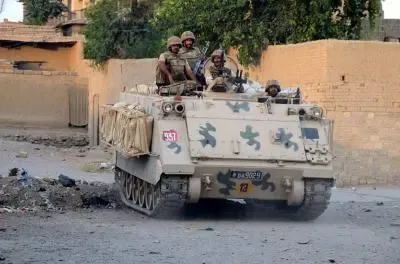
The ramifications are significant and multifaceted. Pakistan’s military resources are stretched thin, the economy is under pressure, and crucial initiatives such as the China-Pakistan Economic Corridor (CPEC) in Balochistan and Khyber Pakhtunkhwa (KP) are in jeopardy. Additionally, this situation requires diverting attention and resources from Pakistan’s primary eastern front with New Delhi, even as it observes its regional rival strengthening diplomatic relations in Kabul. Domestically, these challenges contribute to escalating public discontent with the military’s dominant role and perceived security failings, thereby testing the limits of public patience.
Point of View
It is imperative to recognize the complex challenges Pakistan faces in its regional security dynamics. The evolving situation along the Durand Line necessitates a nuanced understanding of both historical context and current realities. The nation must navigate these turbulent waters with a focus on sustainable solutions that prioritize both national security and public sentiment.
NationPress
28 Sept 2026
Frequently Asked Questions
What is the Durand Line?
The Durand Line is a contested border between Pakistan and Afghanistan, established in 1893, which Afghanistan has never officially recognized.
Why is there dissatisfaction with the Pakistani military?
The dissatisfaction stems from perceived security shortcomings and the military's significant role in political matters, leading to public frustration.
How has the Taliban's relationship with Pakistan evolved?
Initially, Pakistan supported the Taliban to gain influence in Afghanistan, but over time, the Taliban's growing independence has led to a more adversarial relationship.
What are the implications of the current situation on Pakistan's economy?
The ongoing conflicts and challenges strain military resources, impact economic initiatives like the CPEC, and divert attention from crucial eastern front issues.
What are the potential outcomes for Pakistan in this scenario?
The situation could lead to increased instability, a reevaluation of foreign policy, and potential shifts in public support for military governance.