CM Shivakumar Meets Sugar Mills Body in Belagavi
Synopsis
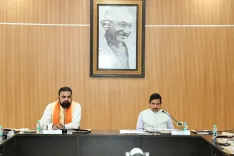
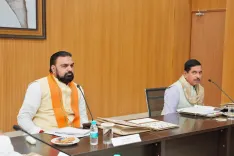
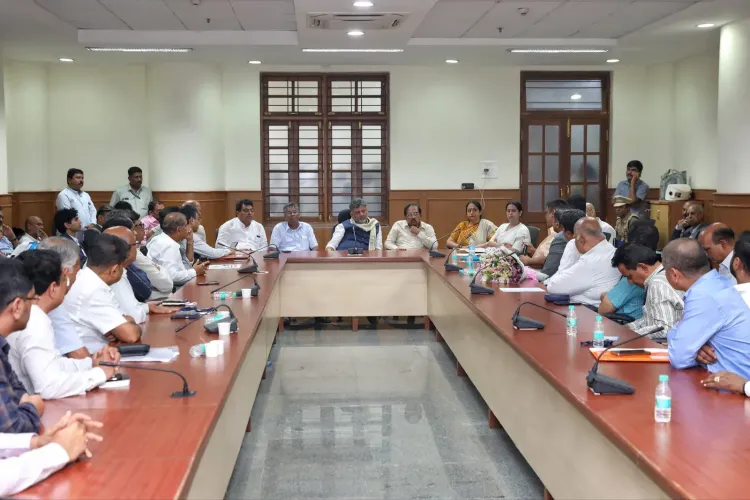
Chief Minister DK Shivakumar convened a formal consultation with the South Indian Sugar Mills Association's Karnataka chapter in Belagavi on 9 July 2026. Deputy CM G. Parameshwara and three cabinet ministers attended, signalling high-level attention to the state's sugar sector amid recurring concerns over cane pricing and mill viability.
Key Takeaways
Chief Minister DK Shivakumar met representatives of the South Indian Sugar Mills Association (SISMA) Karnataka chapter in Belagavi on 9 July 2026 .
Deputy Chief Minister Dr G.
Parameshwara was present alongside ministers Satish Jarkiholi , Ishwar Khandre , and U.T.
Former minister Lakshmi Hebbalkar also attended the consultation.
Belagavi is a major hub of Karnataka's sugarcane and sugar mill activity, making it a key venue for such sector-level discussions.
No specific outcomes or policy announcements were disclosed by the Chief Minister's Office following the meeting.
The meeting follows a long-standing pattern of Karnataka governments engaging SISMA on issues including cane price arrears , mill viability, and ethanol blending policy.
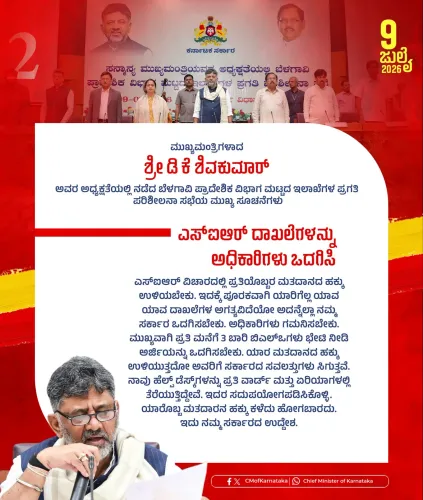
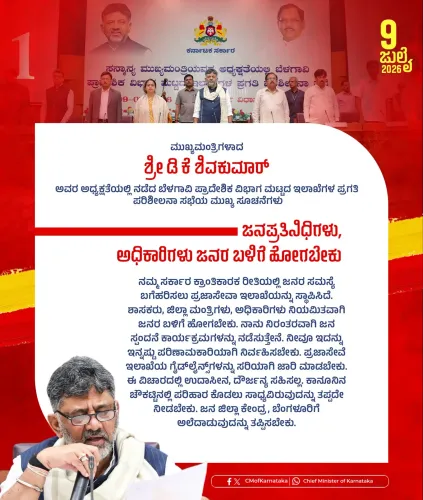
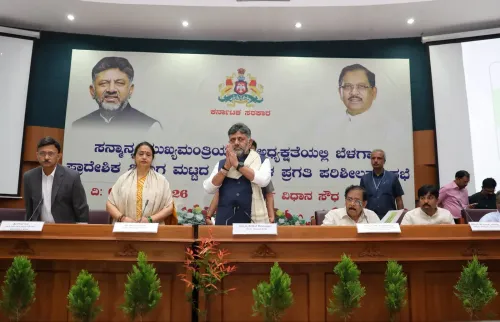
The Chief Minister's Office of Karnataka announced on Thursday, 9 July 2026 that Chief Minister DK Shivakumar held consultations with representatives of the Karnataka chapter of the South Indian Sugar Mills Association (SISMA) in Belagavi, bringing together senior members of the state cabinet to discuss the sugar sector.
Context
The meeting in Belagavi — a city in northern Karnataka at the heart of the state's sugarcane belt — saw a high-level government presence. Deputy Chief Minister Dr G. Parameshwara attended alongside ministers Satish Jarkiholi, Ishwar Khandre, and U.T. Khader. Former minister Lakshmi Hebbalkar was also present, reflecting the political weight attached to the sugar industry in this region.
The Chief Minister's Office described the engagement as a 'samaalochanaa' (ಸಮಾಲೋಚನೆ — a formal consultation), signalling a structured dialogue rather than a routine courtesy call.
Policy Backdrop
The South Indian Sugar Mills Association is the principal industry body representing sugar mills across southern states, with its Karnataka chapter engaging state governments on mill operations, cane pricing, and policy implementation. Belagavi and surrounding northern Karnataka districts account for a significant share of the state's sugar production, making the region central to any statewide sugar policy review.
Karnataka governments have historically convened meetings with SISMA and allied bodies to address recurring issues such as fair and remunerative price (FRP) arrears, mill viability, and the linkage between sugar production and ethanol blending mandates set by the central government. Such consultations form part of the state's routine administrative engagement with agro-processing industries.
Stakeholders and Impact
The sugar sector in Karnataka directly affects two major constituencies: sugarcane farmers, who depend on timely payment of cane dues from mills, and sugar mill owners, who face pressures from input costs, pricing regulations, and liquidity cycles. Belagavi district alone hosts several large cooperative and private mills, and disruptions in this sector have historically had ripple effects on rural employment and cooperative politics across northern Karnataka.
The presence of multiple cabinet ministers alongside the Chief Minister underlines that the issues raised by SISMA's Karnataka chapter carry weight beyond a single ministry's remit, touching agriculture, food processing, and rural development portfolios simultaneously.
What's Next
While the Chief Minister's Office did not announce specific outcomes from the 9 July consultation, such high-level meetings with the sugar industry have in the past preceded announcements on revised cane support prices, payment timelines for mill dues, or mill modernisation support packages. With the state's budget cycle and legislative calendar on the horizon, the sector will be watching for any follow-up policy communication from the government. The engagement also signals that Belagavi's agro-industrial concerns remain a priority for the current administration.
Point of View
Placing the Chief Minister physically within the sugarcane heartland ahead of what could be a sensitive pricing or arrears discussion. The attendance of Deputy CM G. Parameshwara and three other ministers suggests the government is treating SISMA's concerns as a cross-departmental priority, not a routine sector grievance. This pattern of pre-budget engagement with agro-industrial bodies has historically been a precursor to support-price revisions or relief packages, and the sugar sector's dual role as a rural employer and cooperative political base makes it a strategically important constituency for the ruling party. The meeting reinforces the broader arc of Karnataka's Congress government seeking to consolidate its standing in northern Karnataka, a region where the sugar cooperative network carries significant electoral weight.
NationPress
9 Jul 2026
Frequently Asked Questions
Why did CM DK Shivakumar meet the South Indian Sugar Mills Association in Belagavi?
Chief Minister DK Shivakumar held a formal consultation with the Karnataka chapter of the South Indian Sugar Mills Association in Belagavi on 9 July 2026 to discuss sector-specific concerns including mill operations and cane pricing policy. No specific outcomes were announced by the Chief Minister's Office.
Who attended the sugar mills meeting with CM Shivakumar in Belagavi?
Deputy Chief Minister Dr G. Parameshwara, ministers Satish Jarkiholi, Ishwar Khandre, and U.T. Khader, and former minister Lakshmi Hebbalkar attended the meeting alongside Chief Minister DK Shivakumar.
What is the South Indian Sugar Mills Association Karnataka chapter?
The South Indian Sugar Mills Association (SISMA) is the principal industry body representing sugar mills across southern India. Its Karnataka chapter engages with the state government on issues such as cane pricing, payment of dues to farmers, and mill viability.
What are the main issues facing Karnataka's sugar industry?
Karnataka's sugar industry faces recurring challenges including payment of fair and remunerative price (FRP) arrears to sugarcane farmers, mill liquidity pressures, and compliance with central government ethanol blending mandates. Belagavi district is one of the most affected regions.
What could follow from the CM's consultation with sugar mill representatives?
Based on past patterns, such high-level consultations with SISMA have preceded announcements on revised cane support prices, timelines for clearing mill dues, or mill modernisation packages. Any policy decisions are expected to be communicated through subsequent government notifications.