Rawalpindi hospitals face free medicine crisis as Punjab withholds ₹2 billion funds
Synopsis
Pakistan's Punjab government has failed to release PKR 2 billion in promised health funds, pushing three of Rawalpindi's largest public hospitals to the brink of halting free medicines entirely from July 2026 — a crisis that lands as WHO data names Pakistan the world's single largest contributor to hepatitis C cases.
Key Takeaways
Holy Family Hospital , Benazir Bhutto Hospital , and Rawalpindi Teaching Hospital face a free medicine shutdown from July 2026 .
The three hospitals requested PKR 4.5 billion for FY 2025-26; Punjab released only PKR 2.5 billion and withheld a promised PKR 2 billion .
Vendors have refused further medicine supplies until outstanding dues are cleared.
The WHO Global Hepatitis Report 2026 named Pakistan the world's single largest contributor to hepatitis C cases.
Pakistan is among the 10 nations responsible for 58% of global hepatitis C-linked deaths in 2024 .
Field reports cite continued availability of banned reusable syringes, raising fears of hepatitis B , hepatitis C , and HIV transmission.
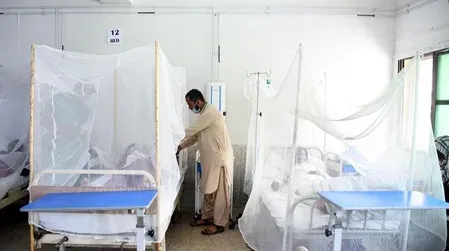
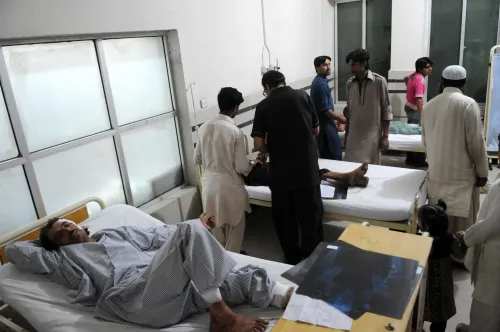
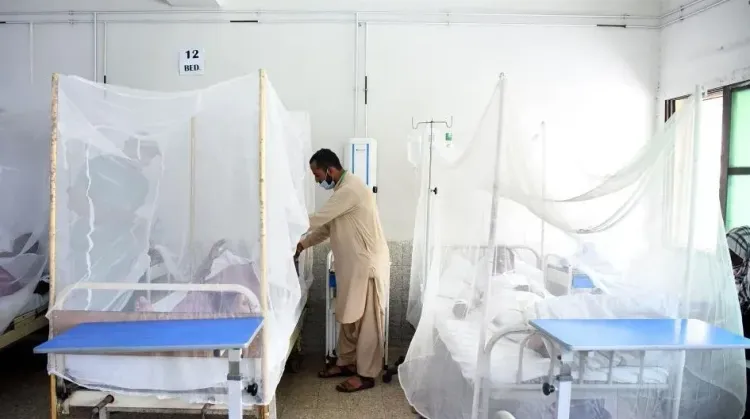
Three major government hospitals in Rawalpindi, Pakistan are on the verge of halting free medicine supplies to patients after the Punjab government failed to release PKR 2 billion in promised funds, local media reported on 1 June 2026. The shortfall threatens the free medicine programme at Holy Family Hospital (HFH), Benazir Bhutto Hospital (BBH), and Rawalpindi Teaching Hospital (RTC), potentially affecting thousands of outdoor, indoor, and emergency patients.
The Funding Shortfall
The three hospitals had collectively requested a budget of PKR 4.5 billion for the fiscal year 2025-26. The Punjab government released only PKR 2.5 billion and pledged to disburse the remaining PKR 2 billion by May 2026 — a commitment it has not honoured, according to reports citing a senior official at HFH.
The individual gaps are stark. HFH requested PKR 1.5 billion but received only PKR 400 million. Benazir Bhutto General Hospital (BBGH) sought PKR 1.5 billion and was allocated just PKR 380 million. RTC asked for PKR 1 billion and received PKR 250 million, according to reports quoting Pakistani daily Dawn.
Vendors Refuse Further Supplies
Medicine stocks at all three hospitals are reported to have lasted only until 30 June. With no funds available to clear outstanding dues, distributors and vendors have refused to extend further credit. 'If funds are not released, the distributors will not provide medicines for the next month,' the senior HFH official said, as quoted by Dawn.
The official warned that the situation 'will deteriorate in coming days when the hospitals will not provide any free medicines to patients.' He noted that the Punjab government had itself mandated these hospitals to supply free medicines to outdoor, indoor, emergency, and admitted patients — making the funding failure a direct policy contradiction.
Wider Healthcare Context
The crisis arrives against an already alarming public health backdrop. Last month, the WHO's Global Hepatitis Report 2026 identified Pakistan as the single largest contributor to the global count of people living with hepatitis C. Pakistan is also among the 10 nations that accounted for 58 per cent of the world's hepatitis C-linked deaths in 2024.
Field reports from multiple Pakistani cities, cited by daily The News International, have found continued availability of banned reusable syringes and fake auto-disable syringes in the market. Health experts warn these can fuel transmission of hepatitis B, hepatitis C, and HIV when used repeatedly by unqualified practitioners. An editorial in The News International noted that 'unnecessary injections and quackery remain common in Pakistan, and infection prevention practices are poorly enforced in both formal and informal healthcare settings.'
What Happens Next
Unless the Punjab government releases the pending PKR 2 billion immediately, the free medicine programme at Rawalpindi's three largest public hospitals faces a complete breakdown from July 2026. With Pakistan's public health infrastructure already under strain from hepatitis and supply-chain vulnerabilities, the funding impasse risks compounding an existing crisis for patients who have no private alternatives.
Point of View
Set a budget, promised a top-up, and then quietly missed its own deadline. That contradiction exposes a structural problem: health mandates in Pakistan are routinely issued without ring-fenced funding. Coming at a moment when WHO data places Pakistan at the epicentre of the global hepatitis C burden, the timing could not be worse. The real question is whether this is a cash-flow delay or a signal of deeper fiscal distress in Punjab's health budget — and who, if anyone, is being held accountable for the gap between the government's promise and the empty medicine shelves that follow.
NationPress
26 Sept 2026
Frequently Asked Questions
Why are Rawalpindi hospitals facing a free medicine shortage?
The Punjab government released only PKR 2.5 billion of the PKR 4.5 billion budget requested by Holy Family Hospital, Benazir Bhutto Hospital, and Rawalpindi Teaching Hospital for FY 2025-26, and failed to disburse the remaining PKR 2 billion it had promised by May 2026. With dues unpaid, vendors have refused to supply more medicines.
Which hospitals are affected by the Rawalpindi medicine crisis?
The three affected hospitals are Holy Family Hospital (HFH) Satellite Town, Benazir Bhutto Hospital (BBH) on Murree Road, and Rawalpindi Teaching Hospital (RTC) in Raja Bazaar — all major public facilities serving a large patient population.
When could free medicines run out at these hospitals?
Medicine stocks at all three hospitals reportedly lasted only until 30 June. If the Punjab government does not release the pending PKR 2 billion, free medicine supplies could stop entirely from July 2026.
What is Pakistan's hepatitis C situation according to WHO?
The WHO Global Hepatitis Report 2026 identified Pakistan as the single largest contributor to the global count of people living with hepatitis C. Pakistan is also among the 10 nations that accounted for 58 per cent of the world's hepatitis C-linked deaths in 2024.
How does the medicine shortage connect to Pakistan's broader health crisis?
The funding shortfall at public hospitals compounds existing public health risks. Field reports have found banned reusable syringes and fake auto-disable syringes still in circulation, which health experts warn can transmit hepatitis B, hepatitis C, and HIV — diseases already at crisis levels in Pakistan.