Hepatitis Crisis: 15 Million Pakistanis Infected Amid Medical Negligence
Synopsis
Pakistan harbours the world's worst Hepatitis C crisis — 10 million cases — fuelled by 600,000 unlicensed quacks and deadly hospital negligence. A BBC undercover probe found 331 children infected with HIV at a Punjab hospital even after a government crackdown was announced. The pattern of promises and abandonment exposes a healthcare system in systemic collapse.
Key Takeaways
Pakistan has the world's highest Hepatitis C burden, with an estimated 9.8 to 10 million cases as of 2025 .
Combined Hepatitis B and C infections affect between 13.8 and 15 million Pakistanis , with only 25–30% aware of their infection status.
Over 600,000 unlicensed quack doctors operate across Pakistan, identified as a primary driver of blood-borne virus transmission.
At least 331 children at THQ Taunsa, Punjab tested HIV-positive between November 2024 and October 2025 , with infections continuing after a government crackdown was announced in March 2025 .
BBC Eye Investigations captured undercover footage showing nurses reusing syringes, injecting patients through clothing, and unqualified workers administering medication from blood-contaminated vials.
Pakistan launched an HCV elimination programme targeting 2050 in 2025, but critics cite a consistent government pattern of announcing health interventions and abandoning them without enforcement.
Islamabad, April 22: Pakistan holds the grim distinction of recording the world's highest burden of Hepatitis C (HCV) infections, with an estimated 9.8 to 10 million cases driven by systemic medical negligence, rampant quackery, and dangerously unsafe clinical practices. When combined with Hepatitis B (HBV), between 13.8 and 15 million Pakistanis are believed to be living with either virus — yet only 25 to 30 per cent of those infected are even aware of their condition, according to a damning editorial published by The Express Tribune.
A Healthcare System That Punishes the Sick
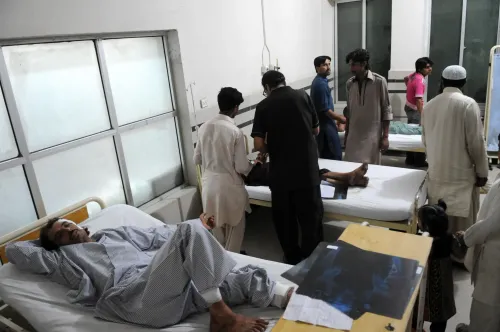
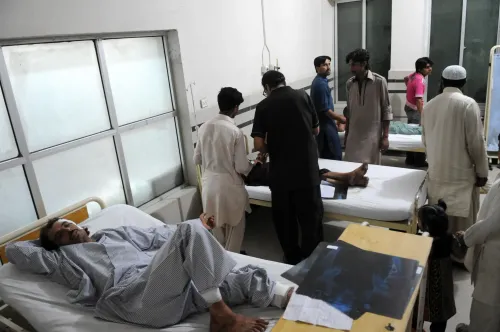
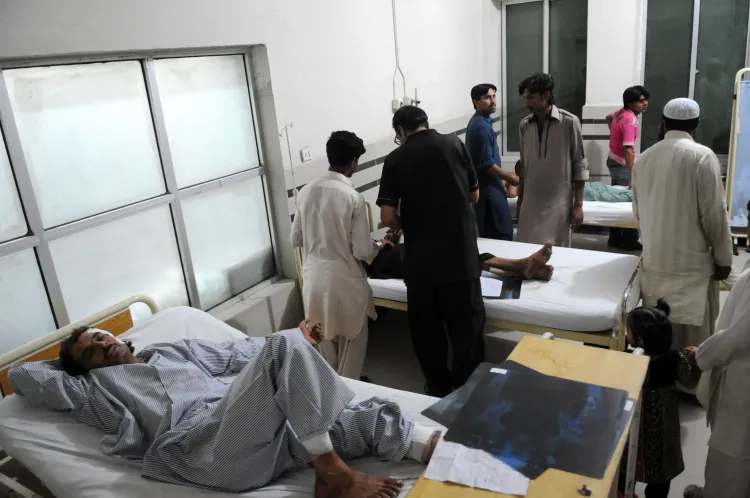
The Express Tribune editorial painted a disturbing picture of Pakistan's broken healthcare infrastructure, stating that citizens who enter hospitals seeking affordable care often leave carrying deadly viral infections. The root causes are well-documented but chronically unaddressed: reuse of syringes, unsafe blood transfusions, and improper sterilisation practices remain alarmingly widespread across public and private facilities alike.
Compounding the crisis is the unchecked proliferation of over 600,000 unlicensed quack doctors operating across the country. These informal practitioners, who routinely prioritise profit over patient safety, are widely believed to be a primary vector for the mass transmission of blood-borne infections. The scale of unregulated medical practice in Pakistan has no parallel among nations of comparable size or income level.
HCV is particularly dangerous because it directly attacks the liver and its symptoms can take years — sometimes decades — to become clinically apparent. By the time a patient is diagnosed, the liver may already have sustained severe scarring, be on the verge of failure, or have developed cancer. For millions of low-income Pakistanis who cannot afford routine health screenings, this silent progression is a death sentence delivered in slow motion.
Government Promises, Abandoned Crackdowns
In 2025, Pakistan formally launched a national programme targeting the elimination of HCV by 2050. However, critics and health advocates have pointed to a troubling pattern: the government has repeatedly identified public health emergencies, announced interventions, and then quietly abandoned them without measurable outcomes.
A stark illustration of this pattern emerged from Tehsil Headquarters Hospital (THQ) in Taunsa, Punjab province. Between November 2024 and October 2025, at least 331 children tested positive for HIV linked to the facility. Punjab authorities responded in March 2025 by announcing a crackdown and suspending the hospital's Medical Superintendent. The announcement was widely covered — but the follow-through was virtually non-existent.
BBC Undercover Investigation Exposes Ongoing Violations
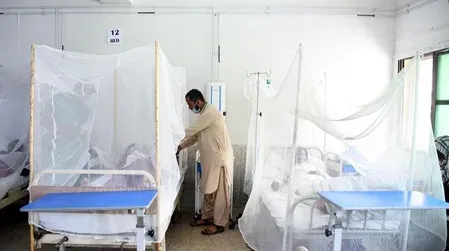
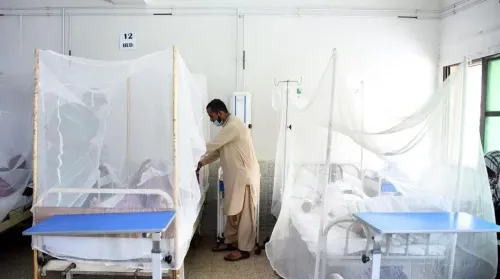
A covert investigation by BBC Eye Investigations subsequently filmed conditions inside the THQ Taunsa children's ward — and found that infections were continuing unabated despite the government's public assurances. The footage, captured secretly over several weeks, documented a catalogue of egregious infection control failures.
Among the violations recorded: nurses injecting patients through their clothing, contaminated syringes being reused, and unqualified workers administering injections to multiple children from a single blood-contaminated vial. The BBC's investigation also captured staff handling medical waste with bare hands, exposed needles left unsecured, and officially-banned unqualified volunteers operating freely and without supervision inside the children's ward.
According to the BBC, the underlying drivers include severe staff shortages and chronic supply chain failures. In several documented instances, families were asked to purchase their own medicines. Under resource pressure, staff resorted to sharing medication between patients and reusing equipment — normalising the very practices that were spreading HIV among the ward's youngest and most vulnerable patients.
Critically, the BBC's data confirmed that infections among children continued even after the government's March 2025 crackdown announcement. Of the parents of infected children who agreed to be tested, fewer than one in 20 returned a positive HIV result — strongly suggesting the hospital environment itself, not household transmission, was the primary source of infection.
Systemic Rot: The Bigger Picture
Pakistan's hepatitis and HIV crises cannot be viewed in isolation. They are symptoms of a healthcare system structurally starved of accountability. The country spends approximately 1.2 per cent of GDP on public health — one of the lowest ratios in South Asia — while the regulatory apparatus meant to police medical practice remains chronically under-resourced and politically compromised.
The coexistence of a 15-million-strong hepatitis burden and a government that launches elimination programmes without enforcement infrastructure reveals a governance gap that goes far beyond incompetence. Health experts and civil society groups have long argued that without mandatory infection control audits, criminal accountability for quacks, and sustained public awareness campaigns in local languages, Pakistan's disease burden will continue to climb regardless of what targets are set on paper.
Notably, the Taunsa HIV outbreak is not an isolated incident. Pakistan has witnessed multiple hospital-linked infection clusters over the past decade, including a devastating HIV outbreak in Rato Dero, Sindh in 2019, where hundreds of children were infected — also traced to contaminated syringes used by an unlicensed practitioner. The pattern of outbreak, outrage, announcement, and abandonment has repeated itself with near-clockwork regularity.
What Comes Next
With Pakistan's HCV elimination target set for 2050, the government has a 25-year runway — but health analysts warn that without immediate structural reforms, including licensing enforcement, syringe safety mandates, and independent hospital inspections, the target will remain aspirational rather than achievable. International health bodies including the WHO have flagged Pakistan's hepatitis burden as a regional public health concern, and pressure from global health financing institutions may be the only lever capable of forcing meaningful reform in the near term.
Point of View
000 quacks operating freely are not an anomaly — they are the logical product of a regulatory state that has abdicated its most basic duty to its citizens. Until Pakistan's political class faces real consequences for these failures — not press conferences — the 15 million figure will only grow.
NationPress
22 Sept 2026
Frequently Asked Questions
Why does Pakistan have the highest number of Hepatitis C cases in the world?
Pakistan's record Hepatitis C burden — estimated at 9.8 to 10 million cases — is primarily driven by the reuse of syringes, unsafe blood transfusions, improper sterilisation, and over 600,000 unlicensed quack doctors operating without oversight. These systemic failures create widespread opportunities for blood-borne virus transmission in both formal and informal healthcare settings.
What did the BBC investigation find at Taunsa hospital in Pakistan?
BBC Eye Investigations secretly filmed conditions at Tehsil Headquarters Hospital (THQ) in Taunsa, Punjab , and documented nurses injecting patients through clothing, reuse of contaminated syringes, and unqualified workers administering injections from blood-contaminated vials. The footage was captured months after Punjab authorities had publicly announced a crackdown following the detection of 331 HIV-positive children linked to the facility.
How many Pakistanis are living with Hepatitis B and C combined?
Between 13.8 and 15 million Pakistanis are estimated to be living with either Hepatitis B (HBV) or Hepatitis C (HCV) , according to reporting by The Express Tribune . Alarmingly, only 25 to 30 per cent of those infected are aware of their condition, making early treatment and containment extremely difficult.
What is Pakistan's plan to address its Hepatitis C crisis?
Pakistan launched a national programme in 2025 aimed at eliminating Hepatitis C by 2050 . However, health experts and critics have noted a consistent pattern of the government identifying public health crises and announcing programmes that are subsequently abandoned without meaningful enforcement or sustained follow-through.
Is the Taunsa HIV outbreak in Pakistan an isolated incident?
No — the Taunsa HIV outbreak , which infected at least 331 children between November 2024 and October 2025 , follows a documented pattern of hospital-linked infection clusters in Pakistan. A comparable outbreak occurred in Rato Dero, Sindh in 2019 , where hundreds of children were infected through contaminated syringes used by an unlicensed practitioner, highlighting a recurring systemic failure.