Pakistan energy crisis: Rawalpindi residents turn to firewood as LPG prices surge
Synopsis
Pakistan's energy crisis has reached a point where families in Rawalpindi are burning firewood and coal just to cook — a development that lays bare the gap between official relief claims and ground reality. With piped gas cut for 18 hours a day and LPG cylinder costs nearly doubling, the most vulnerable households are entering winter with no affordable fuel option in sight.
Key Takeaways
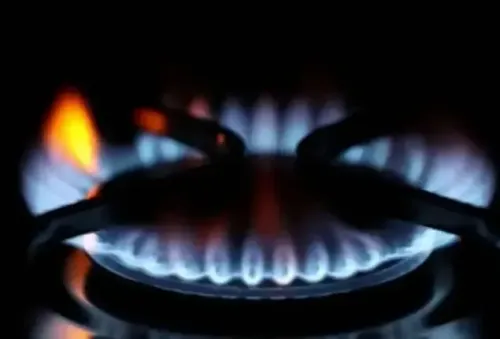
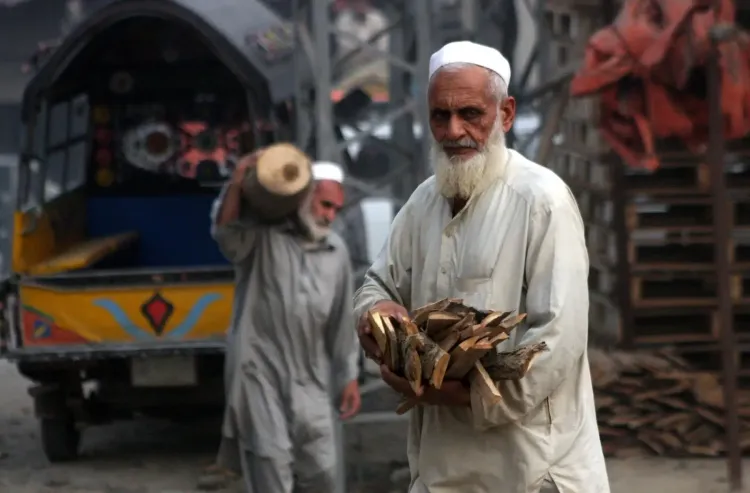
Low- and middle-income households in Rawalpindi, Pakistan have shifted to firewood, coal, and kerosene oil as piped gas supply falls to just six hours a day .
Coal is selling at PKR 800–1,000 per maund ; dry firewood at PKR 1,500–1,800 per maund , with prices rising at the onset of winter.
A new LPG cylinder now costs PKR 13,500 , up from PKR 10,000 ; commercial refills have surged from PKR 14,000 to PKR 25,000 .
In Faisalabad , wheat is reportedly selling at PKR 5,400–5,600 per maund — nearly 50% above the official rate of PKR 3,800 .
The Punjab Enforcement and Regulatory Authority (PERA) and price-control magistrates are accused of failing to curb profiteering despite government claims of relief.
Low- and middle-income households in Rawalpindi, Pakistan, have reverted to burning firewood, coal, and kerosene oil for cooking as liquefied petroleum gas (LPG) prices spiral and piped gas supply dwindles to just six hours a day, according to reports. The shift, accelerating with the onset of winter, signals a deepening energy affordability crisis in one of Pakistan's major urban centres.
Fuel Alternatives Fill the Gap
With piped gas available in only three two-hour intervals daily — and entirely cut off from 9 pm to dawn — residents have little choice but to seek alternatives. Roadside eateries, small tandoors, and low-income families have all turned to solid fuels, pushing their prices sharply upward.
Coal is now trading at PKR 800 to PKR 1,000 per maund, while dry firewood fetches PKR 1,500 to PKR 1,800 per maund. Even sawdust has climbed to PKR 700 per maund, according to The Express Tribune.
Gas Cylinders Out of Reach for Many
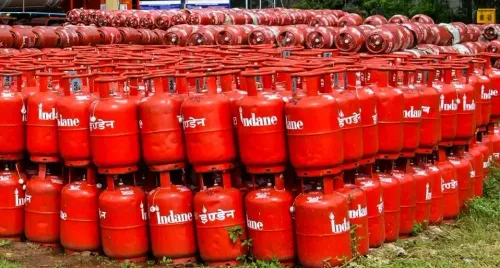
Traders, shopkeepers, and wealthier households have turned to LPG cylinders to bridge the supply gap, but surging demand has sent cylinder prices into territory that places them beyond the reach of ordinary families. The price of a new gas cylinder has jumped from PKR 10,000 to PKR 13,500, while used cylinders have risen from PKR 8,000 to PKR 10,000.
Refilling costs have roughly doubled: domestic cylinder refills now cost PKR 3,000 to PKR 5,000, up from PKR 3,000, while commercial cylinder refills have surged from PKR 14,000 to PKR 25,000. The price escalation compounds an already severe household budget squeeze ahead of winter.
Food Prices Spiral, Enforcement Fails in Faisalabad
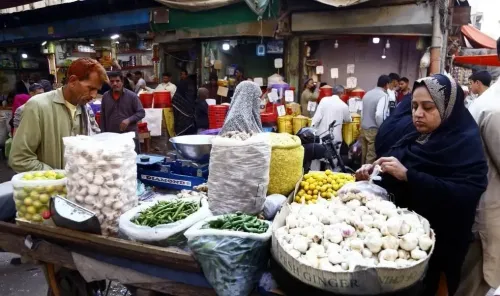
The energy crisis is unfolding alongside a broader collapse in price controls across Pakistan's Punjab province. In Faisalabad, residents allege that price-control magistrates and the Punjab Enforcement and Regulatory Authority (PERA) Force have failed to rein in profiteering, despite government claims of relief measures.
Muhammad Ali, a local resident, said rising commodity prices had made it increasingly difficult for ordinary families to afford two meals a day. He noted that wheat is being sold at PKR 5,400 to PKR 5,600 per maund — nearly 50% above the official rate of PKR 3,800 per maund, according to reports.
Zakia Khanum, another Faisalabad resident, said persistent inflation and unemployment were compounding household hardship. She alleged that the administration and the PERA department had failed to curb prices effectively. Other residents reported sharp price increases in vegetables including tomatoes, onions, and ginger, with mutton, chicken, eggs, milk, and fruits also being sold at rates set unilaterally by shopkeepers, in defiance of official price lists.
What This Means for Pakistan's Winter Outlook
This comes amid Pakistan's wider fiscal and energy crisis, which has seen the country operate under an International Monetary Fund (IMF) bailout programme while grappling with chronic circular debt in its gas and power sectors. The shift to biomass fuels carries public health risks — indoor air pollution from coal and firewood is linked to respiratory illness, particularly among children and the elderly.
Notably, such energy-driven fuel substitution has historically preceded sharper winter demand spikes, which could place further upward pressure on coal and firewood prices in the weeks ahead. With enforcement mechanisms reportedly failing and official rate mechanisms bypassed, analysts warn that relief, if any, will depend on structural gas supply improvements rather than price controls alone.
Point of View
Chronic under-investment in distribution infrastructure, and an IMF-constrained fiscal position leave the government with few tools beyond price controls, which are plainly not working. What is being missed in the coverage is the public health dimension: mass adoption of solid fuels in densely populated urban areas will generate an indoor air pollution crisis that health systems already under strain are ill-equipped to handle. The pattern — government announces relief, enforcement collapses, prices diverge from official rates — has repeated itself across Pakistan's recent economic history, suggesting this is a governance failure as much as an energy one.
NationPress
1 Nov 2026
Frequently Asked Questions
Why are Rawalpindi residents using firewood and coal for cooking?
Residents of Rawalpindi are turning to firewood, coal, and kerosene oil because piped gas supply has been reduced to just six hours a day, and LPG cylinder prices have nearly doubled. The combination of supply rationing and surging alternative fuel costs has made conventional cooking fuels unaffordable for low- and middle-income households.
How much have LPG cylinder prices risen in Pakistan?
The price of a new LPG cylinder has risen from PKR 10,000 to PKR 13,500, while used cylinders have gone from PKR 8,000 to PKR 10,000. Commercial cylinder refilling costs have surged from PKR 14,000 to PKR 25,000, according to reports.
What is happening with food prices in Faisalabad?
In Faisalabad, essential commodities are being sold well above official government rates. Wheat, for instance, is reportedly selling at PKR 5,400–5,600 per maund against an official rate of PKR 3,800 per maund. Vegetables, meat, eggs, and dairy are also being priced unilaterally by shopkeepers.
Why has enforcement of official prices failed in Punjab?
Residents and local media reports allege that price-control magistrates and the Punjab Enforcement and Regulatory Authority (PERA) have been unable to stop profiteering. Despite government claims of relief measures, artificial price increases continue unchecked in markets across the province.
What are the broader consequences of Pakistan's energy crisis this winter?
The shift to solid fuels like coal and firewood carries significant public health risks, including respiratory illness from indoor air pollution. The crisis also risks deepening food insecurity as energy costs raise the overhead for small eateries and food vendors, further pushing up consumer prices heading into winter.