Pakistan fuel prices up 26% in four months, food costs squeeze millions
Synopsis
Pakistan's petrol price has jumped over 26% in just four months of the current financial year, pushing household budgets to breaking point. With LPG costs surging, roti prices threatening to rise further, and protests already erupting in Karachi, the Shehbaz Sharif government faces mounting pressure to act — but no relief measures have been announced.
Key Takeaways
Petrol prices in Pakistan rose 26.11 per cent — from PKR 299.50 to PKR 377.71 per litre — between 1 July and 24 October 2026 .
High-speed diesel climbed 26.39 per cent to PKR 393.66 per litre over the same period.
The Pakistan Bureau of Statistics SPI recorded a 5.81 per cent rise in the price index for 51 essential commodities from 2 July to 22 October .
LPG costs surged PKR 150 per kilogram in a single week, prompting tandoor operators to warn of further roti price increases.
Members of the transgender community protested outside Karachi Press Club in July, urging the Shehbaz Sharif government to provide relief.
No official relief measures had been announced as of 25 October 2026 , according to reports.
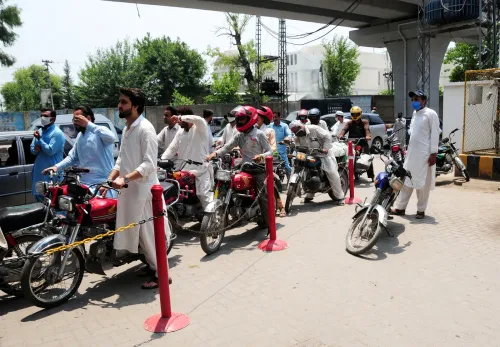
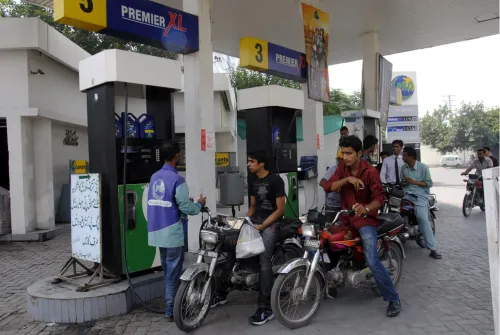
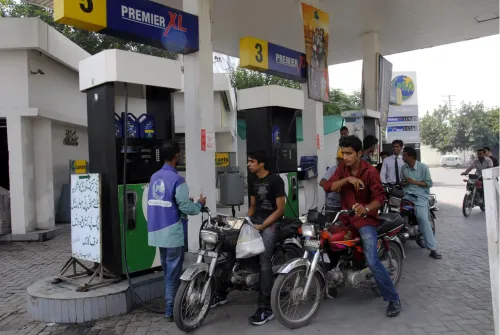
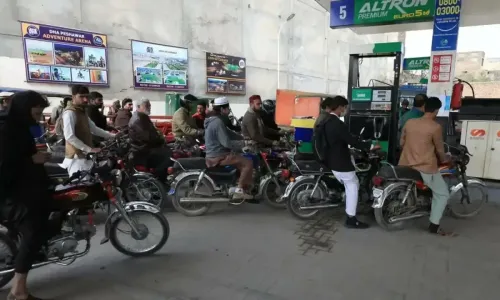
Millions of people across Pakistan are grappling with a severe cost-of-living crisis as petrol prices surged 26.11 per cent and high-speed diesel climbed 26.39 per cent in the first four months of the financial year 2026-27, according to local media reports. The rapid escalation in fuel costs has rippled through transport, food, and household energy, placing the sharpest pressure on low- and middle-income families.
Fuel Price Surge: The Numbers
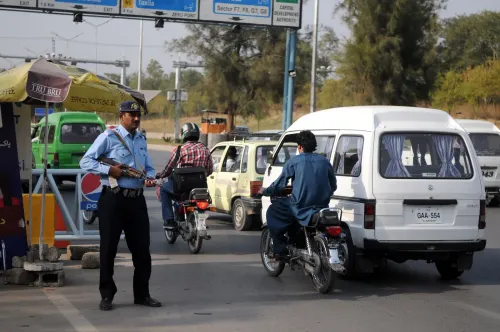
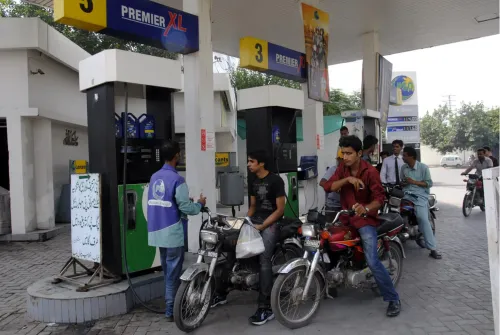
The price of petrol rose from PKR 299.50 per litre on 1 July to PKR 377.71 per litre by 24 October, according to reports citing Pakistani daily The Express Tribune. Over the same period, high-speed diesel climbed from PKR 311.47 to PKR 393.66 per litre. Passenger transporters and freight operators have been among the worst affected, with the higher fuel costs translating directly into steeper fares.
This comes amid a broader price shock: the Pakistan Bureau of Statistics' weekly Sensitive Price Indicator (SPI) recorded a 5.81 per cent rise in the price index for 51 essential commodities between 2 July and 22 October, according to reports.
Households Pushed to the Brink
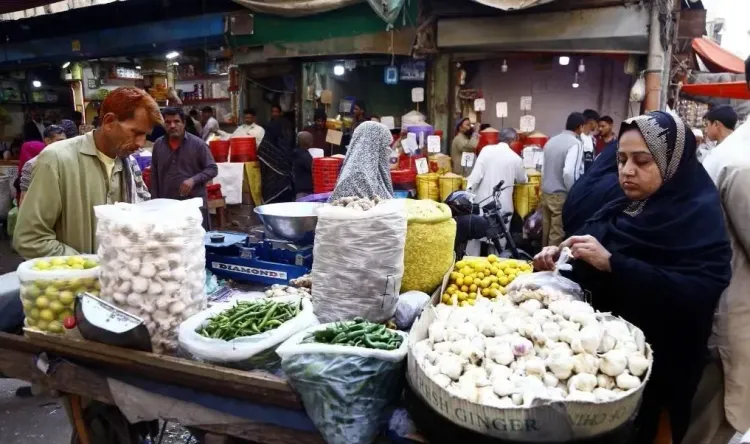
Salaried employees, daily-wage workers, pensioners, and low-income families are reportedly struggling to manage basic household expenses. In Karachi, low- and middle-income households are finding it difficult to afford even two meals a day, according to reports from The Express Tribune. The rising price of flour has compounded pressures on household budgets.
Adding further strain, the cost of liquefied petroleum gas (LPG) has increased by PKR 150 per kilogram over the past week alone, according to reports. Tandoor operators have warned that the price of roti will rise further unless Pakistani authorities intervene to reduce LPG costs. Consumers have complained that official price lists are absent from markets and that profiteering is going unchecked, according to The Express Tribune.
Protests Erupt in Karachi
The cost-of-living crisis has sparked street protests. In July, members of the transgender community in Karachi held a demonstration outside the Karachi Press Club, carrying placards and raising slogans against the government. The protesters urged the Shehbaz Sharif government to reduce the prices of essential commodities and fuel, warning that continued inaction would further harm the most vulnerable sections of society.
Gender Interactive Alliance spokesperson Zehrish Somroo addressed the protesters, saying: 'We have come out today to protest against rising inflation and the increase in fuel prices because the cost of living continues to rise every day, and it has deeply affected the lives of the transgender community as well,' according to The Express Tribune. Participants at the protest warned of larger demonstrations if their demands were not addressed.
Wider Impact and What Comes Next
Notably, reports from the protest suggest that repeated fuel and commodity price hikes have compelled some low-income households to sell personal belongings to meet daily expenses — an indicator of the depth of financial distress, according to reports. The absence of effective government price-monitoring mechanisms has, critics argue, allowed profiteering to persist unchallenged.
With LPG and transport costs still rising, and no official relief announced as of 25 October 2026, the pressure on Pakistan's most economically vulnerable households is expected to intensify in the coming months unless the government intervenes.
Point of View
Which raises food delivery costs, which raises roti prices, which hits the poorest last and hardest. What is striking is the absence of any credible price-monitoring infrastructure: markets operate without official price lists, and profiteering faces no effective check. The Shehbaz Sharif government is caught between IMF-mandated subsidy rationalisation and escalating domestic distress — and so far, the political cost of that trade-off appears to be falling on citizens rather than policy.
NationPress
25 Oct 2026
Frequently Asked Questions
By how much have fuel prices risen in Pakistan in 2026?
Petrol prices in Pakistan rose 26.11 per cent — from PKR 299.50 to PKR 377.71 per litre — between 1 July and 24 October 2026. High-speed diesel increased 26.39 per cent over the same period, climbing from PKR 311.47 to PKR 393.66 per litre, according to reports.
How has the fuel price rise affected food and transport costs in Pakistan?
The surge in fuel prices has pushed up transport fares and food prices, including the cost of roti. The Pakistan Bureau of Statistics' SPI recorded a 5.81 per cent rise in the price index for 51 essential commodities between 2 July and 22 October 2026, according to reports.
What is the impact of rising LPG prices in Pakistan?
LPG costs rose by PKR 150 per kilogram in a single week, adding pressure on households and tandoor operators. Tandoor operators have warned that roti prices will increase further unless Pakistani authorities act to reduce LPG costs, according to The Express Tribune.
Who has protested against inflation in Pakistan?
Members of the transgender community held a protest outside Karachi Press Club in July 2026, urging the Shehbaz Sharif government to reduce prices of essential commodities and fuel. Gender Interactive Alliance spokesperson Zehrish Somroo addressed the rally, warning of larger demonstrations if demands were not met.
Has the Pakistani government announced any relief measures against rising prices?
As of 25 October 2026, no official relief measures had been announced, according to reports. Consumers have complained that the government has not curbed profiteering, and that official price lists are absent from markets, allowing prices to rise unchecked.