Pakistan fuel price hike drives transport fares up 20%, strike threat looms
Synopsis
Pakistan's shift to daily fuel pricing — triggered by West Asia tensions — has cascaded into a 20% fare surge in Rawalpindi and Islamabad, a spike in long-haul freight costs to PKR 800,000 on the Karachi–Peshawar route, and a nationwide strike threat from petrol pump operators. With fares now indexed to daily fuel revisions, millions of commuters face permanent price uncertainty.
Key Takeaways
Pakistan raised petrol prices by PKR 5.44 per litre and diesel by PKR 31.05 per litre on Friday, 19 July .
Post-hike prices: petrol at PKR 316.15 per litre , HSD (diesel) at PKR 354.35 per litre .
Public transport fares in Rawalpindi and Islamabad rose by 15–20 per cent ; the minimum fare is now PKR 60 .
Freight charges on the Karachi–Peshawar corridor reportedly rose to PKR 800,000 per consignment.
Petroleum Minister Ali Pervaiz Malik announced a shift to daily fuel pricing citing international market volatility.
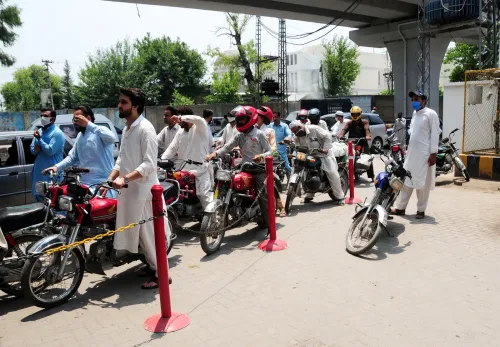
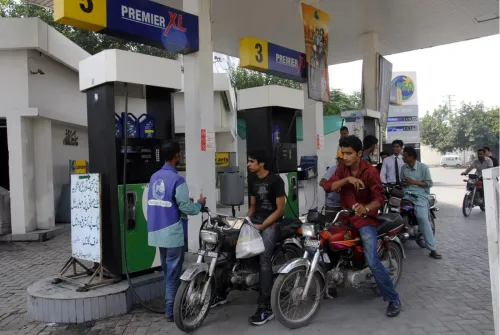
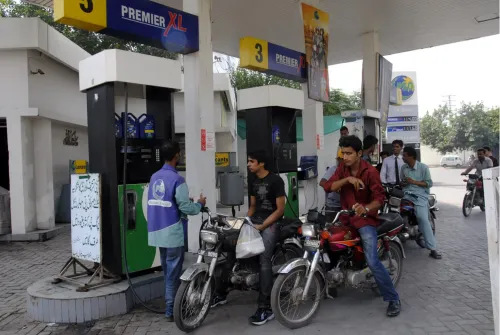
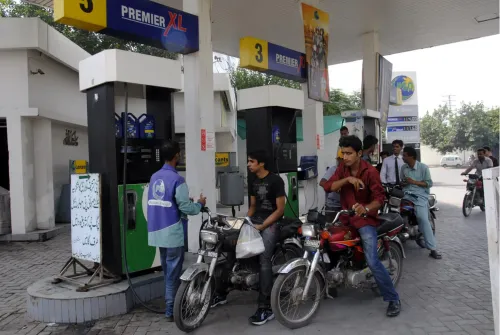
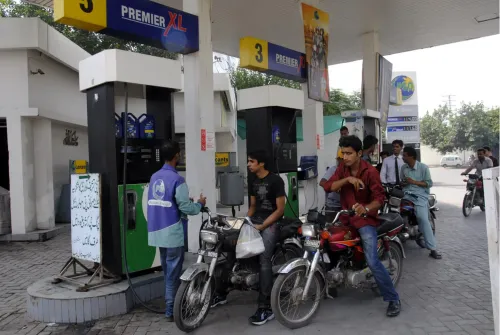
Petrol pump operators have threatened a nationwide strike over frequent price revisions.
Public transport fares in Rawalpindi and Islamabad have surged by up to 20 per cent and freight charges by as much as 20 per cent after Pakistan's federal government raised petrol and diesel prices on Friday, 19 July, according to local media reports. Petrol pump operators have separately threatened a nationwide strike over the government's policy of frequent fuel price revisions.
How Much Fares Have Risen
Transport associations in Rawalpindi and Islamabad revised fares with immediate effect following the fuel price increase. According to reports, inter-city fares in Rawalpindi district have risen by 15 per cent, intra-district fares by 17 per cent, and services operating between Rawalpindi and Islamabad by 20 per cent. The minimum stop-to-stop fare on public transport in both cities has been raised to PKR 60.
Long-distance transport operators have also increased fares by 17 per cent. Pick-and-drop services for office workers and students have announced that their charges will henceforth be revised automatically in line with any change in petrol or diesel prices — a move that effectively indexes commuting costs to international crude markets.
Freight Costs Spike on Long-Haul Routes
Goods transport operators have raised freight charges by 20 per cent. The freight charge for container, trailer, and wheeler transport on the Karachi–Peshawar corridor has reportedly risen to PKR 800,000. The increase adds pressure to supply chains across Pakistan at a time when the economy is already grappling with elevated inflation.
The Fuel Price Increase That Triggered the Crisis
On Friday, the Pakistan government raised the price of petrol by PKR 5.44 per litre and diesel (HSD) by PKR 31.05 per litre, with immediate effect for a three-day period through 20 July. After the revision, petrol stands at PKR 316.15 per litre and HSD at PKR 354.35 per litre, according to reports citing Pakistan's daily Dawn.
The government attributed the hike to higher import premiums and rising international crude prices driven by renewed tensions in West Asia. Petroleum Minister Ali Pervaiz Malik said fuel prices would now be fixed on a daily basis in response to fluctuations in international markets following renewed tensions between Iran and the US.
Strike Threat and Industry Pushback
Petrol pump operators have issued a threat of a nationwide strike, citing the government's policy of frequent price revisions as operationally disruptive. Transport associations have made clear that fares will be adjusted every time fuel prices change — a stance that, if sustained, could institutionalise fare volatility for millions of daily commuters.
This comes amid Pakistan's broader economic stress, with the country navigating an International Monetary Fund (IMF) programme that has required subsidy rollbacks and market-linked pricing across energy and fuel. The shift to daily fuel pricing marks a significant departure from the earlier fortnightly revision cycle and signals deepening exposure of domestic prices to global energy shocks.
Point of View
Yet its economy is now directly wired to them. The nationwide strike threat from petrol pump operators adds a political dimension that Islamabad cannot easily dismiss — particularly with an already strained public patience over inflation.
NationPress
18 Oct 2026
Frequently Asked Questions
By how much did Pakistan raise fuel prices on 19 July?
Pakistan raised petrol prices by PKR 5.44 per litre and diesel (HSD) by PKR 31.05 per litre on Friday, 19 July, with immediate effect through 20 July. After the hike, petrol stands at PKR 316.15 per litre and HSD at PKR 354.35 per litre.
How much have public transport fares increased in Rawalpindi and Islamabad?
Public transport fares have risen by 15 to 20 per cent depending on the route. Inter-city fares in Rawalpindi district went up 15 per cent, intra-district fares by 17 per cent, and fares between Rawalpindi and Islamabad by 20 per cent. The minimum stop-to-stop fare is now PKR 60.
What has happened to freight charges after the fuel price hike?
Goods transport operators have raised freight charges by 20 per cent. The freight cost for container, trailer, and wheeler transport on the Karachi–Peshawar corridor has reportedly risen to PKR 800,000 per consignment.
Why did Pakistan increase fuel prices?
The government cited higher import premiums and rising international crude prices driven by renewed tensions in West Asia, particularly between Iran and the US. Petroleum Minister Ali Pervaiz Malik announced that Pakistan would shift to daily fuel pricing to reflect international market fluctuations.
What is the nationwide strike threat about?
Petrol pump operators have threatened a nationwide strike in protest against the Pakistan government's policy of frequent fuel price revisions, which they say is operationally disruptive to their businesses.