Pakistan hikes diesel by PKR 5.71, cuts petrol 35 paisa in daily pricing shift
Synopsis
Pakistan has scrapped periodic fuel revisions in favour of daily OGRA pricing tied to a seven-day global average — and the ripple effects are already visible: transport fares in Rawalpindi and Islamabad have jumped 15–20%, freight on the Karachi–Peshawar corridor has reportedly hit PKR 800,000, and petrol pump operators are threatening a nationwide strike. The real story is not today's PKR 5.71 diesel hike — it is the structural shift that links every Pakistani commuter's daily cost to international crude volatility.
Key Takeaways
Pakistan raised high-speed diesel by PKR 5.71 per litre and cut petrol by 35 paisa per litre on 21 July .
Revised rates: HSD at PKR 360.06/litre ; petrol at PKR 315.8/litre .
OGRA will now update fuel prices daily , based on a seven-day global average .
Public transport fares in Rawalpindi and Islamabad rose 15–20% following the 17 July revision.
Freight charges on the Karachi–Peshawar route reportedly increased to PKR 800,000 .
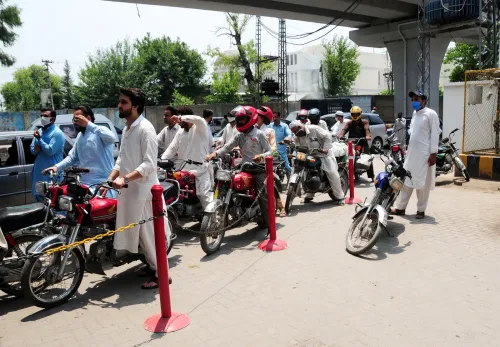
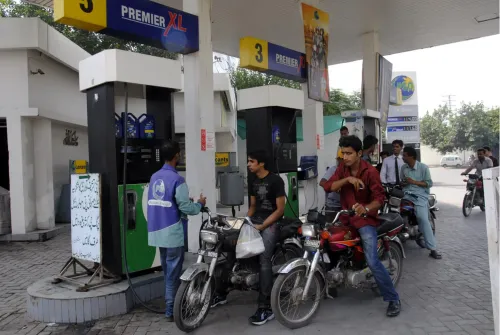
Petrol pump operators have threatened a nationwide strike over frequent pricing changes.
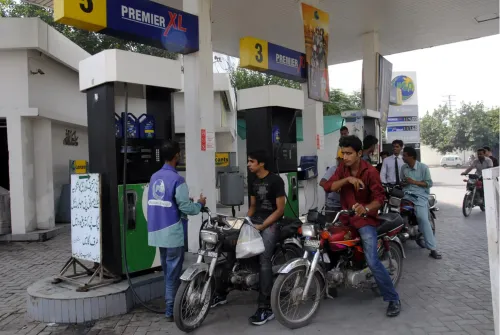
Pakistan's federal government on Tuesday, 21 July raised the price of high-speed diesel (HSD) by PKR 5.71 per litre and trimmed petrol prices by 35 paisa per litre, as Islamabad moves to a daily fuel-pricing mechanism tied to global oil market fluctuations. The revised rates place HSD at PKR 360.06 per litre and petrol at PKR 315.8 per litre, according to local media reports citing The Express Tribune.
How the Daily Pricing Mechanism Works
Pakistani authorities have replaced periodic revisions with a system based on a seven-day weekly average of global benchmark prices, a move framed as aligning the country with international standards. The Oil and Gas Regulatory Authority (OGRA) will publish updated petroleum product prices on its website every day, ostensibly to ensure transparency and pass on real-time international price movements directly to consumers.
The shift to daily pricing follows renewed tensions in West Asia, which have amplified volatility in global crude markets and made fixed fortnightly revisions untenable, according to government reasoning.
Transport Fares Already Rising Across Pakistan
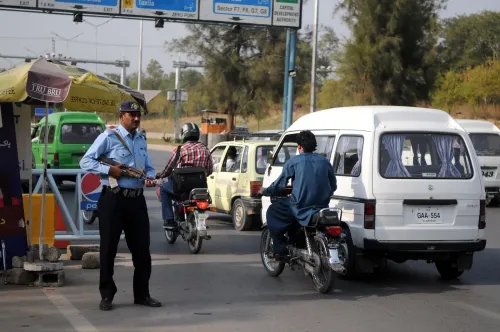
The cascading impact on commuters and freight operators has been swift. Following the government's previous upward revision on 17 July, transport operators in Rawalpindi and Islamabad raised fares with immediate effect. Inter-city fares in Rawalpindi district went up by 15 per cent, intra-district routes by 17 per cent, and services operating between Rawalpindi and Islamabad by 20 per cent. Long-distance transport operators also increased fares by 17 per cent.
The minimum stop-to-stop fare on public transport in Rawalpindi and Islamabad has been raised to PKR 60. Goods transport operators increased freight charges by 20 per cent, while the freight charge for container, trailer, and wheeler transport on the Karachi–Peshawar corridor reportedly rose to PKR 800,000.
Pick-and-Drop and Office Commute Services Hit
Private pick-and-drop services catering to office workers and students have announced that their charges will henceforth be revised in lockstep with every fuel price change. The development signals a structural shift in how Pakistan's informal transport economy absorbs fuel cost volatility — effectively indexing commuter costs to daily OGRA updates.
Petrol Pump Operators Issue Strike Threat
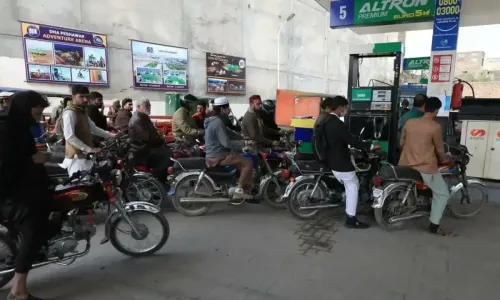
The policy of frequent fuel price revisions has drawn sharp pushback from petrol pump operators, who last week issued a nationwide strike threat. Transport associations have formally stated that fares will be adjusted every time fuel prices are revised, creating a feedback loop that could entrench inflation in Pakistan's logistics and commuter sectors.
With OGRA now updating prices daily and transport operators pledging automatic fare revisions in response, Pakistani consumers face a new era of fuel-linked price uncertainty — one that will test the government's ability to balance fiscal pressures with cost-of-living concerns.
Point of View
But it functionally transfers global crude risk directly onto consumers and small transporters with no buffer. The 15–20% fare hikes that followed the 17 July revision are a preview: in an economy already under IMF-mandated fiscal pressure, automatic pass-through pricing could entrench a wage-price spiral in the informal transport sector. The nationwide strike threat from petrol pump operators is an early signal that the policy lacks stakeholder buy-in. Islamabad is solving a fiscal accounting problem while potentially creating a social stability one.
NationPress
20 Oct 2026
Frequently Asked Questions
What are the new fuel prices in Pakistan after the 21 July revision?
After the 21 July revision, high-speed diesel (HSD) is priced at PKR 360.06 per litre and petrol at PKR 315.8 per litre. The government raised HSD by PKR 5.71 per litre and reduced petrol by 35 paisa per litre.
Why has Pakistan switched to daily fuel pricing?
Pakistan has adopted a daily pricing system based on a seven-day weekly average of global oil market prices, citing volatility linked to renewed tensions in West Asia. The Oil and Gas Regulatory Authority (OGRA) will update prices on its website every day to pass on international price fluctuations to consumers.
How much have transport fares increased in Rawalpindi and Islamabad?
Following the 17 July fuel price revision, inter-city fares in Rawalpindi district rose by 15%, intra-district fares by 17%, and services between Rawalpindi and Islamabad by 20%. The minimum stop-to-stop public transport fare has been raised to PKR 60.
What is the freight charge for Karachi–Peshawar transport after the hike?
Freight charges for container, trailer, and wheeler transport between Karachi and Peshawar reportedly increased to PKR 800,000 following the recent fuel price revisions, according to transport operators.
Why are petrol pump operators threatening a strike in Pakistan?
Petrol pump operators issued a nationwide strike threat last week, objecting to the government's policy of frequent fuel price revisions. They argue that constant changes create operational uncertainty and disrupt business planning across the fuel retail sector.