LPG prices in Peshawar surge from PKR 400 to PKR 550 amid Sui Gas crisis
Synopsis
Pakistan's gas crisis has gone retail: in Peshawar, LPG cylinder prices have jumped 37% — from PKR 400 to PKR 550 — as traders exploit a Sui Gas shortage, flouting an official rate of PKR 300 per kg. Meanwhile in Hyderabad, residents say they are literally paying for air, with meters running while pipelines carry no gas. Two cities, one systemic failure.
Key Takeaways
LPG cylinder prices in Peshawar have risen from PKR 400 to PKR 550 , against an official government rate of PKR 300 per kilogram .
Traders have reportedly exploited a Sui Gas shortage in Khyber Pakhtunkhwa to hike prices artificially.
The district administration launched inspections and took action against price-violating traders after public complaints.
In Hyderabad, Sindh , Sui Southern Gas Company (SSGC) has reportedly failed to deliver gas even during its own restricted nine-hour daily schedule .
Residents say pipelines carry only air for 15–20 minutes before gas flows, inflating bills while making cooking nearly impossible.
Sales of electric stoves , induction cooktops , solar ovens , and fibreglass LPG cylinders have risen as households seek alternatives.
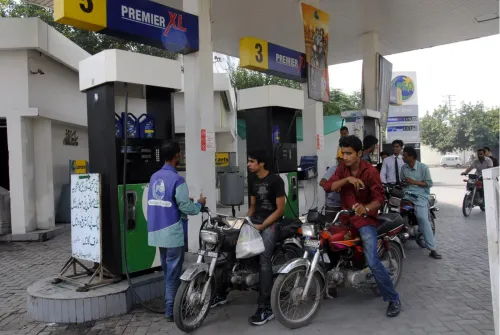
Residents of Peshawar, the capital of Pakistan's Khyber Pakhtunkhwa province, are grappling with a sharp rise in the cost of cooking fuel after liquefied petroleum gas (LPG) cylinder prices climbed from PKR 400 to PKR 550 — well above the official government rate of PKR 300 per kilogram. Traders have reportedly exploited a sustained shortage of Sui Gas (piped natural gas) to push prices higher, leaving ordinary households squeezed, local media reported on Monday, 15 June.
Why Prices Spiked
Chronic low gas pressure and frequent unavailability of piped natural gas have compelled large numbers of Peshawar residents to switch to LPG cylinders, driving demand sharply upward. Traders, according to reports, have capitalised on this captive demand by selling cylinders at rates nearly double the government-mandated price. The district administration, responding to a wave of public complaints, subsequently launched inspections and initiated action against violators.
Hyderabad Also Hit by Gas Shortfall
The fuel crisis is not confined to Khyber Pakhtunkhwa. In Hyderabad, Sindh province, residents have complained that Sui Southern Gas Company (SSGC) has failed to honour even its own restricted nine-hour daily supply schedule — which divides gas availability into three one-hour windows each in the morning, afternoon, and night. Residents from multiple areas say gas simply does not arrive during those windows.
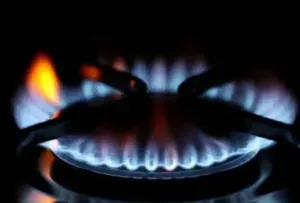
Where supply does trickle in, pressure is so low that cooking becomes nearly impossible. According to residents, pipelines carry only air for 15 to 20 minutes before gas begins to flow — forcing households to leave burners open to purge the air, a practice that keeps meters running and inflates monthly bills. A resident of Latifabad told local media: 'We are paying for air in our gas bills while spending hours in the kitchen to cook a single meal.'
Impact on Households and Alternate Fuel Market
The prolonged gas crisis has triggered a visible shift in consumer behaviour. Sales of electric stoves, induction cooktops, ceramic cookers, solar ovens, and domestic LPG cylinders — ranging in capacity from 2 to 12 kilograms — have risen noticeably. Demand for fibreglass LPG cylinders, valued for being lighter and rust-proof, has also increased, according to reports.
Broader Context
Pakistan has faced recurring natural gas shortfalls for years, driven by ageing pipeline infrastructure, underinvestment in domestic production, and rising demand. The current shortages in both Peshawar and Hyderabad reflect a structural energy deficit that periodic price controls and supply schedules have so far failed to resolve. With winter months still ahead, pressure on LPG availability and pricing is likely to intensify further.
Point of View
Yet traders are openly charging PKR 550 with apparent impunity until complaints force belated inspections. Pakistan's gas shortfall is not new — it is a structural deficit years in the making — yet the policy response remains reactive rather than systemic. The Hyderabad situation, where metered consumers pay for air flowing through empty pipes, raises a sharper accountability question: if SSGC cannot meet even its own curtailed schedule, the fiction of a 'supply window' is simply a billing mechanism. Without infrastructure investment and genuine price-enforcement, these crises will deepen each winter.
NationPress
26 Sept 2026
Frequently Asked Questions
Why have LPG prices increased in Peshawar?
LPG prices in Peshawar have risen from PKR 400 to PKR 550 per cylinder because traders have reportedly exploited a shortage of Sui Gas (piped natural gas) to charge above the government-mandated rate of PKR 300 per kilogram. Low gas pressure and frequent unavailability of piped supply have pushed residents toward LPG, driving up demand and enabling the price hike.
What is the official government price for LPG in Pakistan?
The official government-set price for LPG in Pakistan is PKR 300 per kilogram. Traders in Peshawar have been selling cylinders at PKR 550, well above this regulated rate, prompting district administration action against violators.
What is happening with gas supply in Hyderabad, Sindh?
Residents of Hyderabad say Sui Southern Gas Company (SSGC) has failed to supply gas even during its restricted nine-hour daily schedule, which is divided into three one-hour windows. Where gas does arrive, pressure is so low that cooking is nearly impossible, and pipelines reportedly carry only air for 15 to 20 minutes before gas begins to flow.
How are Pakistani households coping with the gas shortage?
Households across Peshawar and Hyderabad are turning to alternatives including electric stoves, induction cooktops, ceramic cookers, solar ovens, and domestic LPG cylinders of 2 to 12 kg capacity. Fibreglass LPG cylinders, which are lighter and rust-proof, have also seen rising demand.
Has the government taken any action over the LPG price hike?
Yes, after receiving public complaints about inflated LPG prices, the district administration in Peshawar carried out inspections and took action against traders found selling cylinders above the official rate. However, no broader structural intervention has been reported.