Petrol shortage disrupts life in Khyber Pakhtunkhwa as prices hit PKR 400-500/litre
Synopsis
Fuel stations are running dry across Khyber Pakhtunkhwa while black-market sellers charge nearly double the official rate — and the federal government has just raised prices for the fourth consecutive day under a brand-new daily pricing mechanism. The timing couldn't be worse for daily wagers and commuters in one of Pakistan's most economically stressed provinces.
Key Takeaways
Fuel stations in Dera Ismail Khan and other parts of Khyber Pakhtunkhwa have run dry, disrupting transport, businesses, and daily life.
Black-market petrol is reportedly being sold at PKR 400–500 per litre in residential areas — well above the official rate.
The Pakistan federal government raised petrol by PKR 4.40/litre and HSD by PKR 3.62/litre on 24 July , the fourth consecutive daily price change.
Official petrol price now stands at PKR 331.52/litre ; HSD at PKR 378.66/litre , per the Ministry of Petroleum .
Pakistan introduced a daily fuel pricing mechanism on 17 July , with OGRA publishing rates based on a seven-day international market average.
Residents have urged authorities to act against hoarders and restore supplies along Chashma Road and other affected areas.
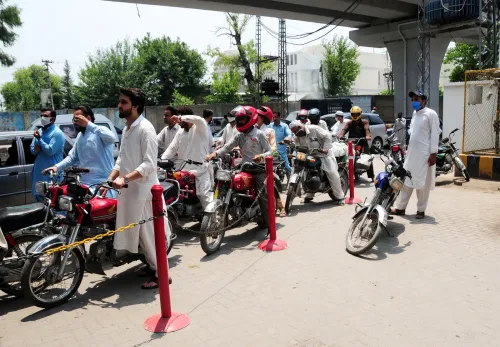
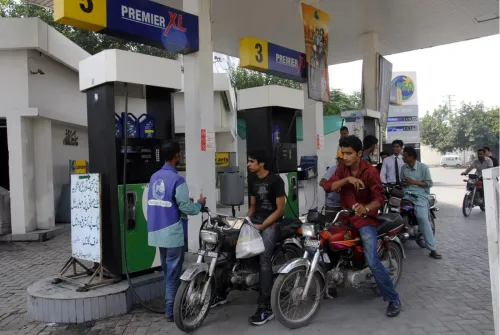
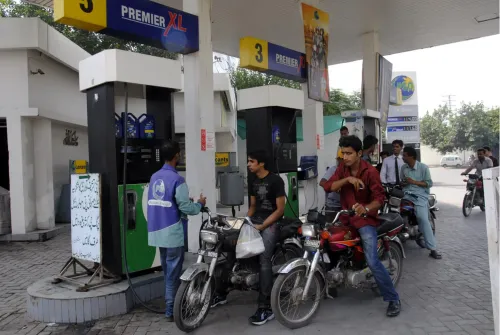
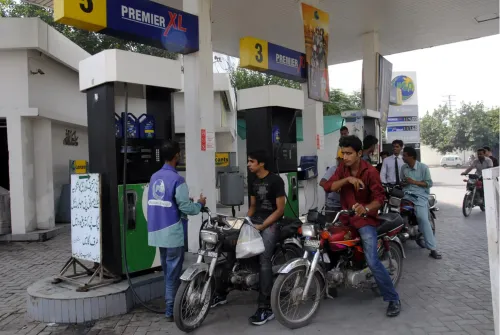
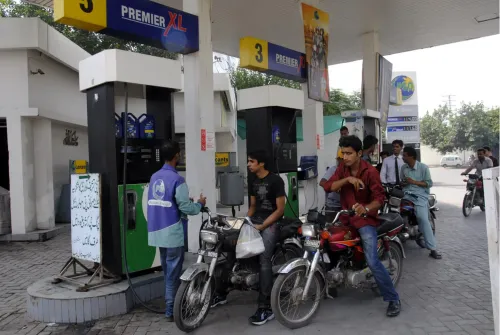
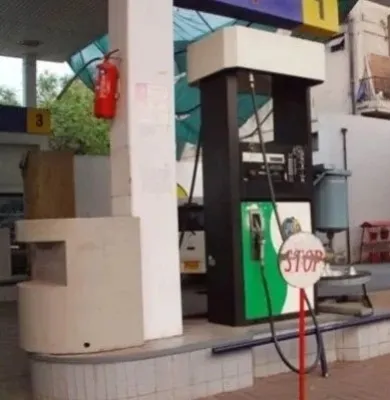
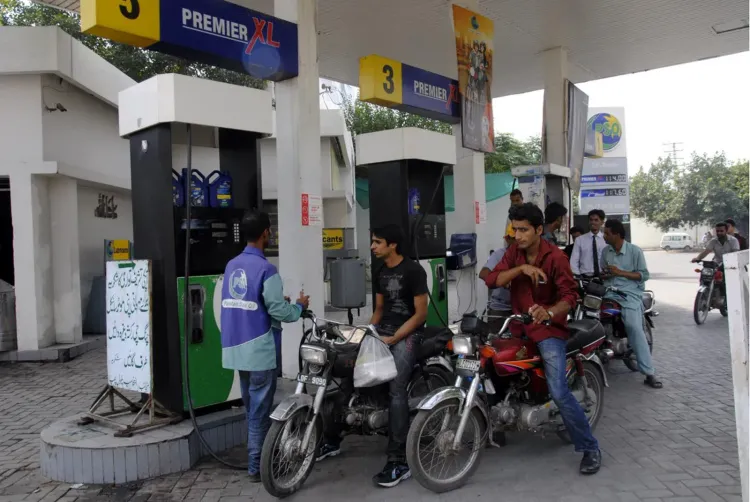
A severe petrol shortage has paralysed daily life across Dera Ismail Khan and several other districts of Pakistan's Khyber Pakhtunkhwa province, with fuel stations running dry and black-market sellers reportedly charging PKR 400–500 per litre — well above the official rate — according to local media reports on Friday, 25 July 2025. The crisis has hit commuters, daily wagers, students, and small businesses hardest, compounding an already strained economic environment.
Ground Reality: Empty Pumps and Soaring Fares
Residents described a scramble across the province, with many forced to visit multiple fuel stations before finding any supply. Several filling stations along Chashma Road remained shuttered due to non-availability of stock. The knock-on effect on public transport has been immediate — fares have risen sharply, placing an additional burden on low-income commuters and daily wage earners.
Locals alleged that certain individuals were exploiting the shortage by selling petrol illegally in residential areas at prices ranging from PKR 400 to PKR 500 per litre, compared to the government's official rate. Residents have urged authorities to act swiftly against hoarders and profiteers and restore normal supply chains.
Federal Price Hike Adds to the Strain
The shortage coincides with a fresh round of price revisions by the Pakistan federal government. On Thursday, 24 July, Islamabad raised the price of petrol by PKR 4.40 per litre and high-speed diesel (HSD) by PKR 3.62 per litre. As a result, petrol now stands at PKR 331.52 per litre and HSD at PKR 378.66 per litre, according to a notification issued by Pakistan's Ministry of Petroleum.
This marked the fourth consecutive day of price changes under a newly introduced daily fuel pricing mechanism — a significant policy shift triggered by volatility in global oil markets amid renewed hostilities in West Asia.
Pakistan's New Daily Fuel Pricing Mechanism
Pakistan's government switched to a daily fuel price review system last week, under which prices are determined based on a seven-day rolling average of international market rates. The move is designed to align domestic fuel pricing more closely with global benchmarks.
On 17 July, Pakistan's Petroleum Minister Ali Pervaiz Malik and Information Minister Atta Tarar jointly announced the new framework. Minister Malik stated that the Oil and Gas Regulatory Authority (OGRA) would publish revised prices on its website each day, reflecting prevailing international trends.
Why This Matters
The convergence of a supply crunch and rising official prices is creating a pincer effect on consumers in Khyber Pakhtunkhwa. Notably, the province has historically been vulnerable to supply disruptions due to its geography and dependence on long-haul fuel logistics. The emergence of an informal black market — with prices nearly 20–50% above the official rate — signals that the formal supply chain is under serious stress.
Authorities have yet to announce specific measures to address the shortage in the province. How swiftly the government acts to restore supply and curb profiteering will determine whether the crisis deepens or is contained in the coming days.
Point of View
Not just pricing policy, are driving the crisis. Islamabad must separate the two problems — supply restoration and price reform — or risk letting a provincial shortage become a political flashpoint in an already volatile region.
NationPress
22 Oct 2026
Frequently Asked Questions
Why is there a petrol shortage in Khyber Pakhtunkhwa?
Several fuel filling stations in Dera Ismail Khan and other parts of Khyber Pakhtunkhwa have run out of stock, reportedly due to supply chain disruptions. Local residents allege that hoarding and illegal resale in residential areas have worsened the shortage.
What is the current official petrol price in Pakistan?
As of 24 July 2025, petrol is priced at PKR 331.52 per litre and high-speed diesel at PKR 378.66 per litre, following a federal government revision that raised petrol by PKR 4.40/litre and HSD by PKR 3.62/litre.
What is Pakistan's new daily fuel pricing mechanism?
Introduced on 17 July 2025, the mechanism allows OGRA to revise fuel prices every day based on a seven-day rolling average of international market rates. The move was announced jointly by Petroleum Minister Ali Pervaiz Malik and Information Minister Atta Tarar to align domestic prices with global benchmarks.
How are ordinary people affected by the petrol shortage in KP?
Commuters, daily wagers, students, and small business owners are bearing the brunt of the crisis. Public transport fares have risen sharply, and many residents report travelling to multiple stations to find fuel, while black-market sellers charge PKR 400–500 per litre.
What action have authorities taken to address the shortage?
As of the latest reports, residents have urged authorities to restore supplies and crack down on hoarders and profiteers, but no specific government measures targeting the Khyber Pakhtunkhwa shortage have been announced publicly.